

Table of Contents
- What Are Natural Fabrics?
- Benefits of Natural vs. Synthetic Fibers
- 1. Organic Cotton: The Everyday Essential
- 2. Linen: Breathable and Built to Last
- 3. Hemp: The Durable Bast Fiber
- 4. Lyocell: Regenerated Cellulose Done Right
- 5. Bamboo Viscose: Soft, But Check the Process
- 6. Wool: Thermal Regulation and Longevity
- How to Identify Ethical Fashion Brands
- Eco-Friendly Fabric Care Tips
- Sensory-Friendly Natural Fabrics
- Cost-Per-Wear: The Metric That Changes the Math
- End-of-Life Disposal for Natural Fabrics
- Frequently Asked Questions
Last Updated: September 14, 2026
What Are Natural Fabrics?
Natural fabrics are textiles woven from fibers that come directly from plants, animals, or minerals rather than being synthesized in a laboratory. Cotton, linen, hemp, wool, and silk all fall into this category, and each one carries a distinct set of performance traits that synthetic polymers like polyester and nylon simply cannot replicate.
In practice, that difference shows up the moment you wear them. Natural fibers breathe with your body, regulate temperature, and break down at the end of their useful life instead of lingering in a landfill for centuries.
This guide from Baliveno covers seven natural alternatives worth building a wardrobe around, plus the care habits that keep them in rotation for years.
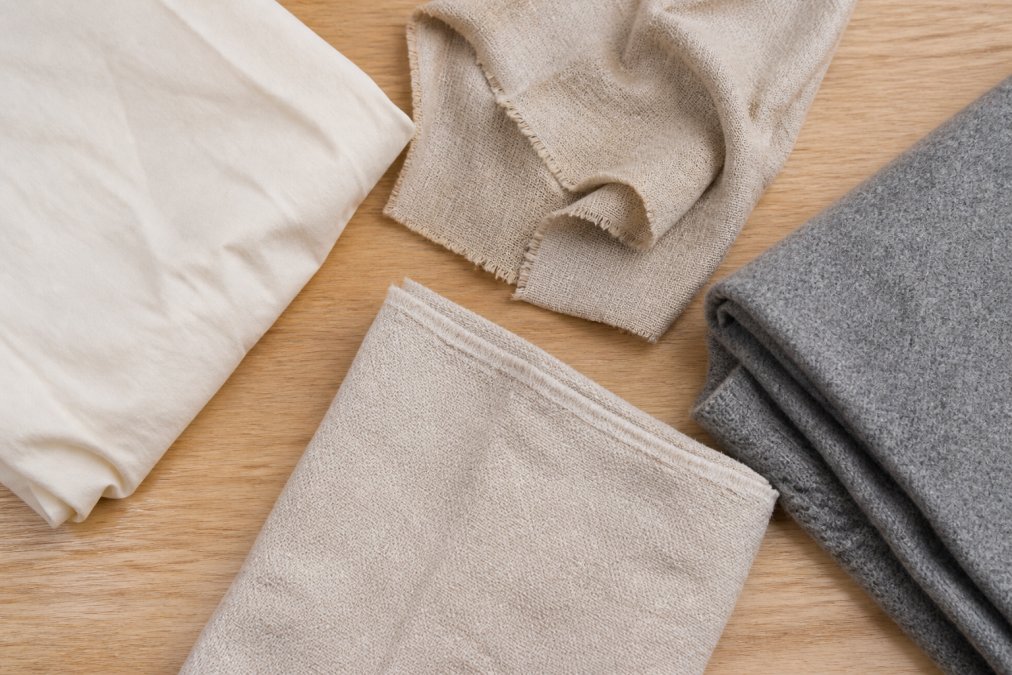
The textile industry has leaned on synthetic polymers for decades because they are cheap and uniform. That trade-off has a cost. Microplastics shed from synthetic garments every time they are washed, and textile waste keeps climbing as fast-fashion cycles shorten. Natural fibers offer a way out, but only if you understand what each one actually does well.
Benefits of Natural vs. Synthetic Fibers
Natural fibers win on breathability, thermal regulation, and biodegradability. Synthetic alternatives win on price and wrinkle resistance. Which matters more depends entirely on how you wear the garment and how long you expect it to last.
Here is how the two families compare on the criteria that affect daily comfort and long-term cost:
| Attribute | Natural Fibers | Synthetic Fibers |
|---|---|---|
| Breathability | High, air moves through the weave | Low, traps heat and moisture |
| Thermal regulation | Adapts to body temperature | Static, feels clammy or cold |
| Biodegradability | Breaks down in months to years | Persists for decades |
| Moisture handling | Absorbs and releases slowly | Wicks fast but holds odor |
| Cost per wear | Higher upfront, lower over time | Lower upfront, replaced often |
| Skin sensitivity | Generally hypoallergenic | Can irritate sensitive skin |
The cost-per-wear math is the part most shoppers skip. A garment that costs more but survives three times as many washes usually ends up cheaper per outing than a bargain piece that pills after a month.
1. Organic Cotton: The Everyday Essential
Organic cotton is the most versatile natural alternative on this list, and the one most people already own without realizing the difference. It is grown without synthetic pesticides, which matters for soil health and for the farmers working the fields.
What sets organic cotton apart from conventional cotton is the farming standard, not the fiber itself. Certified organic cotton is tracked from field to finished garment, so you can verify the claim rather than take a label's word for it. The USDA Organic Standards program sets the rules growers must follow to carry that certification in the United States.
Baliveno's Vintage Washed Oversized Cotton T-Shirt is built from 100% pure cotton at a substantial weight, and the washed finish means it drapes rather than clings. For a first natural-fiber purchase, cotton is the safe entry point: easy to wash, hard to ruin, and comfortable across seasons.

2. Linen: Breathable and Built to Last
Linen is woven from flax, a bast fiber that gets stronger when wet. That single property explains why linen outlasts almost everything else in a warm-weather wardrobe.
The trade-off is wrinkling. Linen creases easily and there is no way around it, though many wearers stop treating that as a flaw once they feel how well it moves air. In humid conditions, linen keeps you noticeably cooler than cotton of the same weight.
Care is straightforward. Machine wash on gentle, skip the dryer, and hang to dry. Linen softens with every wash, so the garment you own in year three feels better than the one you bought.
3. Hemp: The Durable Bast Fiber
Hemp is the toughest plant-based fiber in common use, and it shares flax's bast-fiber structure, which is why the two behave similarly in wear. Hemp resists UV light, holds shape through repeated washing, and needs less water to cultivate than cotton.
Early hemp fabric felt coarse. Modern processing has softened that considerably, and today's hemp blends wear close to cotton while lasting longer. It also takes dye well, so color holds through many cycles.
If durability is your priority and you can accept a slightly crisper hand feel at first, hemp is the strongest natural option here.
4. Lyocell: Regenerated Cellulose Done Right
Lyocell is a regenerated cellulose fiber made from wood pulp in a closed-loop process that recovers most of the solvent used. That closed loop is what separates lyocell from older cellulose fibers, and it is why the fiber has become a fixture in sustainable textile conversations.
The result is a fabric that feels like silk against the skin but washes like cotton. It drapes well, resists wrinkles better than linen, and handles moisture without feeling damp.
Where it falls short: lyocell is less abrasion-resistant than hemp or linen, so it performs best in tops and loungewear rather than hard-wearing daily pants.
5. Bamboo Viscose: Soft, But Check the Process
Bamboo viscose is remarkably soft, and that softness is genuine. The problem is not the plant, it is the chemistry used to turn bamboo into fiber.
Bamboo viscose is a regenerated cellulose fiber, like lyocell, but the conventional viscose process uses harsher solvents with less recovery. The fiber is still plant-based and biodegradable, yet the manufacturing footprint varies enormously between producers. Asking how a bamboo garment was processed tells you more than the fiber name on the tag.
Bamboo lyocell, made with the closed-loop method, avoids most of that concern. If you cannot confirm the process, treat bamboo viscose as a soft fabric with an unverified supply chain rather than an automatic eco-friendly pick.
6. Wool: Thermal Regulation and Longevity
Wool regulates temperature better than any other natural fiber. It traps air in its crimped structure, keeping you warm when it is cold and breathing when it is not, and it resists odor because the fiber naturally manages moisture.
Merino wool is the fine-gauge version most people find comfortable against skin. Coarser wools suit outerwear, where the fiber's resilience and natural water resistance matter more than softness.
Wool needs less washing than cotton. Airing a garment between wears is often enough, which extends its life and reduces the energy spent on care. Store it folded rather than hung to protect the shape.
How to Identify Ethical Fashion Brands
Identifying an ethical fashion brand comes down to verifiable certifications and supply-chain transparency, not marketing language. A brand that can name its certifications and its factories is a brand you can check.
Start with these signals:
- Certification names on the label. GOTS for organic fiber content, OEKO-TEX Standard 100 for chemical safety, and fair-trade marks all require third-party auditing.
- Named factories. Vague references to "ethical partners" mean nothing. Specific facilities you can look up mean something.
- Fiber-level detail. A brand that tells you the fiber weight, origin, and processing method is tracking its supply chain closely enough to know.
- Consistent claims. If the sustainability story changes between product pages, the story is marketing.
Sustainable textile certification standards exist precisely so shoppers do not have to trust a brand's word. The Global Organic Textile Standard covers organic fiber from harvest through finished product, while OEKO-TEX Standard 100 tests finished fabrics for harmful substances.
Baliveno builds around this principle. The Unisex Organic Sweatshirt uses 80% organic cotton and 20% recycled polyester in a French terry knit, and the Organic Cotton Twill Bucket Hat carries GOTS-certified organic content alongside OEKO-TEX Standard 100 fabric certification. Certifications you can name are the difference between a claim and a fact.

Eco-Friendly Fabric Care Tips
Eco-friendly fabric care extends a garment's life, which is the single largest environmental lever you control. How you wash matters more than how often you buy.
- Wash in cold water to reduce energy use and protect fiber structure
- Skip the dryer for linen, hemp, and wool; hang or lay flat to dry
- Use a mesh laundry bag for knits to reduce friction and pilling
- Air garments between wears instead of washing after each use
- Spot-clean stains before they set rather than washing the whole piece
- Store folded, not hung, for wool and heavy knits to hold shape
- Repair small holes and loose seams early, before they spread
The EPA guidance on textile waste reduction points to extending product life as one of the most effective ways to cut the environmental impact of clothing, ahead of recycling in most cases.
Sensory-Friendly Natural Fabrics
Sensory-friendly natural fabrics are those with smooth, consistent surfaces and no synthetic additives, which makes them easier on sensitive skin. Cotton, lyocell, and fine merino wool top that list.
Synthetic fabrics can trigger irritation for two reasons: they trap moisture against the skin, and they hold odors that survive washing. Natural fibers manage both better. Cotton and lyocell feel smooth and neutral, while merino's fine gauge avoids the prickle coarser wool produces.
If texture sensitivity is the issue, look for ring-spun cotton, which has a smoother surface than standard carded cotton, and avoid heavy seams and printed panels directly against the skin.
Cost-Per-Wear: The Metric That Changes the Math
Cost per wear is the purchase price divided by the number of times you actually wear the garment. A piece worn 200 times across five years beats a cheaper piece worn 30 times before it fails.
Run the calculation before you buy. Divide the price by a realistic estimate of wears. A garment you reach for weekly for three years clears 150 wears. A garment that pills after ten washes never gets there, no matter how low the sticker price.
This is where natural fibers earn their keep. Hemp, linen, and wool hold their structure through years of washing, so the denominator in that equation keeps growing while the synthetic alternative gets retired early.
End-of-Life Disposal for Natural Fabrics
End-of-life disposal is where natural fibers make their strongest case. Cotton, linen, hemp, and wool biodegrade, returning to the soil rather than persisting as plastic waste.
That said, biodegradability only delivers its benefit if the garment actually reaches a composting or textile-recycling stream. Most clothing does not. Here is how to route natural-fiber pieces responsibly:
- Wear them out first. The longest possible use phase beats any disposal method.
- Donate or resell garments still in wearable condition.
- Textile recycling programs accept worn cotton and wool for fiber recovery.
- Compost 100% natural, undyed, untreated fabrics where local programs allow it.
- Never landfill synthetics alongside naturals; separate them so the natural fiber can break down.
Check fiber content before composting. Blends with any synthetic percentage will not break down cleanly, which is why single-fiber garments are easier to dispose of responsibly.
Choosing natural alternatives to synthetic fabrics is a decision you make at the tag, not at the register. The fiber determines how the garment breathes, how long it lasts, and where it ends up. Baliveno builds its collection around exactly that principle, from the 100% cotton Vintage Washed Oversized Cotton T-Shirt to the GOTS-certified Born To Play Kids T-Shirt and the organic twill bucket hat. Every piece is designed for durability, comfort, and a refined finish that holds up to real wear. Shop Best Sellers and start with the fabrics that earn their place in your wardrobe.
Frequently Asked Questions
Which fabrics are 100% natural?
Fabrics that come directly from plants or animals without synthetic additives are considered 100% natural. Plant-based examples include organic cotton, linen, hemp, and lyocell (when processed sustainably). Animal-derived options include wool, silk, and cashmere. These fibers are biodegradable and renewable, unlike synthetic polymers such as polyester or nylon. Always check labels for fiber content, as blends can include synthetic materials even if the main fabric is natural.
What is the least toxic fabric to wear against the skin?
Organic cotton and silk are often the least toxic choices for sensitive skin. Organic cotton is grown without synthetic pesticides and processed without harmful dyes, reducing chemical exposure. Silk is naturally hypoallergenic and breathable. Look for certifications like GOTS or OEKO-TEX Standard 100, which verify that the fabric is free from harmful substances. Avoid conventional cotton treated with formaldehyde or synthetic finishes, which can irritate skin.
How do synthetic fabrics contribute to microplastic pollution?
Synthetic fabrics like polyester, nylon, and acrylic shed tiny plastic fibers called microplastics during washing. These particles are too small to be filtered by wastewater treatment plants and end up in rivers and oceans. A single load of laundry can release hundreds of thousands of microfibers. Choosing natural alternatives like organic cotton or linen reduces this pollution because natural fibers biodegrade and do not persist in the environment.
Are all natural fabrics equally sustainable?
No. Sustainability depends on how the fiber is cultivated, processed, and dyed. Conventional cotton uses large amounts of water and pesticides, while organic cotton uses less. Bamboo viscose can involve harsh chemicals unless it is closed-loop lyocell. Wool and silk have higher land and resource requirements but are durable and biodegradable. Certifications like GOTS, OEKO-TEX, and Fair Trade help verify sustainable practices.
How can I identify high-quality natural textiles?
Check the fiber content label for 100% natural fibers or high percentages. Look for certifications such as GOTS for organic cotton, OEKO-TEX for chemical safety, and Fair Trade for ethical manufacturing. Feel the fabric: high-quality natural fibers feel soft, breathable, and substantial. Inspect stitching and construction for durability. Research the brand's supply chain transparency and care instructions, which indicate longevity.

EXPLORE THE BALIVENO EDIT
Continue the story
Discover a BALIVENO piece or collection related to the ideas in this article.
£35.94
Baliveno Drop Shoulder Cotton T-Shirt Explore all clothing

