

Table of Contents
- Quince vs Pact: Head-to-Head Quality Comparison
- How to Identify High-Quality Organic Cotton Clothing
- Is Expensive Clothing Worth the Cost?
- Sustainable Clothing Brands for Capsule Wardrobes
- Which Brand Should You Choose?
- Frequently Asked Questions
Last Updated: September 1, 2026
When you're shopping for everyday basics that feel like an investment rather than a disposable purchase, two names often come up: Quince and Pact. Both brands position themselves as ethical, sustainable alternatives to fast fashion, and both emphasize quality materials and fair labor practices. But here's where the conversation usually stalls: beyond the marketing language, how do these brands actually compare on the metrics that matter most, fabric quality, durability, ethical sourcing, and real value for your money?
This guide from BALIVENO FASHION HOUSE LTD breaks down the Quince vs Pact clothing quality comparison with a focus on what separates genuine quality from clever branding. We'll examine fabric composition, manufacturing practices, how these pieces hold up over time, and whether the premium price tag delivers proportional value. Whether you're building a capsule wardrobe or simply tired of replacing clothes every season, understanding these differences will help you make a more informed choice.
Quince vs Pact: Head-to-Head Quality Comparison
Both Quince and Pact market themselves as accessible luxury, but they approach sustainable clothing differently. Quince focuses on minimalist design and vertical integration, they own much of their supply chain to control costs. Pact emphasizes transparency and organic certification across their entire range. Understanding these philosophies helps explain why their products feel and perform differently.
Fabric Composition and Material Sourcing
Quince primarily uses organic cotton, often blended with small percentages of synthetic fibers for durability and ease of care. Their sourcing emphasizes direct relationships with mills in countries like Vietnam and India, which allows them to maintain competitive pricing while claiming ethical standards.
Pact similarly uses organic cotton as their foundation, but they go further with third-party certification. Their organic cotton carries GOTS (Global Organic Textile Standard) certification, which verifies that fiber meets strict environmental and social criteria from seed to finished product. This certification matters: it means independent auditors have verified the supply chain, not just the brand's word.
The practical difference emerges in how these fabrics perform. Organic cotton grown without synthetic pesticides often feels softer initially but can be more prone to pilling if the yarn count is low. Pact's commitment to higher-quality organic cotton blends tends to result in garments that maintain their appearance longer, though this comes at a higher price point.
For comparison, BALIVENO FASHION HOUSE LTD's Unisex Organic Cotton T-Shirt uses 100% organic ring-spun cotton at 5.3 oz/yd², a weight that signals durability. The ring-spun process creates a tighter, stronger yarn than conventional spinning, which directly translates to garments that resist pilling and maintain shape wash after wash.

Ethical Manufacturing and Labor Practices
This is where both brands claim strength, but the verification differs. Quince publishes a list of factories and claims to conduct audits, but they don't disclose detailed audit results or third-party verification of labor standards. You're trusting their internal processes.
Pact goes further by partnering with Fair Trade USA, which provides independent verification that workers earn living wages and work in safe conditions. This certification carries real weight, it means external auditors have inspected facilities and verified wage records, not just accepted the brand's assurances.
The cost difference reflects this transparency: Pact's garments typically cost 20-30% more than comparable Quince pieces, partly because Fair Trade certification and third-party auditing add operational expenses. Whether that premium justifies itself depends on how much you value verified ethical practices versus brand promises.
Durability and Wear-Over-Time Performance
Here's where real-world experience matters more than marketing claims. Quince garments tend to hold up well for the first 15-20 washes, but many users report noticeable fading and slight shrinkage by month six. The lower fabric weight (often 4.2-4.8 oz) contributes to this, thinner fabric simply doesn't endure as many wash cycles before showing wear.
Pact's heavier-weight fabrics (typically 5.5-6.0 oz) and tighter construction resist fading longer and maintain their shape through 40+ wash cycles without significant degradation. The trade-off is that they feel stiffer initially, though they soften with wear.
The real test is cost-per-wear. A Quince tee at a lower price point might seem like better value until you realize you're replacing it twice as often as a Pact equivalent. That calculation shifts the math considerably.
How to Identify High-Quality Organic Cotton Clothing
Not all organic cotton is created equal, and neither brand's marketing tells you everything you need to know. Learning to evaluate quality yourself prevents you from overpaying for mediocre fabric or missing genuinely durable pieces.

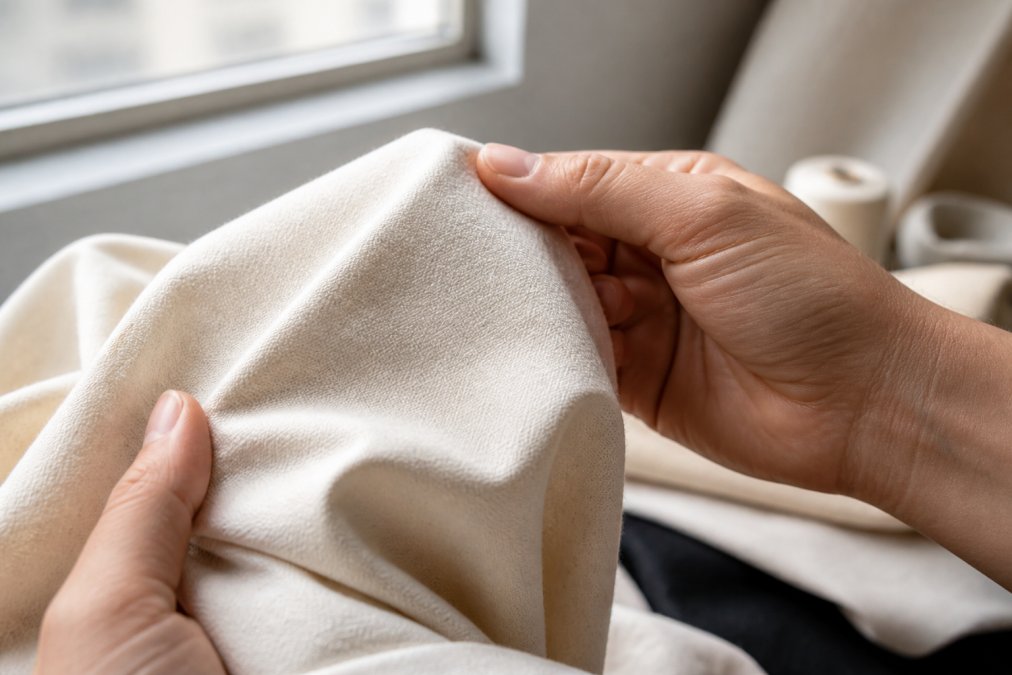
Fiber Content Transparency and Certification
Start by reading the label. High-quality organic cotton clothing will clearly state "100% organic cotton" or show a specific blend percentage (e.g., "95% organic cotton, 5% spandex"). Vague language like "made with organic materials" or "organic-inspired" is a red flag, it usually means a small percentage of organic fiber mixed with conventional cotton.
Look for certifications beyond just "organic." The GOTS standard is the gold standard for organic textiles, verifying environmental practices and labor conditions. OEKO-TEX certification indicates the finished product has been tested for harmful chemicals. Fair Trade certification means workers earned living wages.
BALIVENO FASHION HOUSE LTD's Calmness Organic Sweatshirt exemplifies transparency: the label specifies 80% organic cotton and 20% recycled polyester, explains the construction method (Frenchy terry knit with set-in sleeves), and discloses the sourcing region. This level of detail signals a brand that understands quality matters in the specifics.

Construction Details That Signal Longevity
Fabric weight is your first clue. Quality organic cotton basics start at 5.0 oz/yd² and go up from there. Anything under 4.5 oz will feel thin and wear faster. Check the tag, if it doesn't list weight, ask the brand directly. That hesitation to share the number often indicates they know it's low.
Next, examine the seams. Run your fingers along the inside of a seam. High-quality construction uses reinforced stitching, you'll feel a second row of stitches running parallel to the main seam. This is called a "box stitch" or "bar tack" and it dramatically extends garment life by preventing seams from splitting during washing or wear.
Look at the neckline. A self-fabric neck tape (a strip of the same fabric sewn inside the collar) indicates attention to detail and prevents the neckline from stretching out. Cheaper garments skip this step. Similarly, check if the collar is reinforced with ribbing, a 1×1 or 2×2 rib structure holds its shape far better than a simple sewn edge.
Finally, examine the hem. Quality hems use a double-needle topstitch, which you can see as two parallel lines of stitching. This creates a stronger, more durable hem that resists fraying and holds its shape through dozens of washes.
Is Expensive Clothing Worth the Cost?
This question sits at the heart of the sustainable fashion dilemma. Premium basics cost more upfront, but the longevity calculation often reveals surprising value.
Cost-Per-Wear Analysis for Everyday Basics
The cost-per-wear framework is simple: divide the garment's price by the number of times you wear it before it's unwearable. A $35 tee worn 100 times costs $0.35 per wear. A $50 tee worn 200 times costs $0.25 per wear, better value despite the higher sticker price.
For sustainable brands, this math typically favors the premium option. Quince's lower-priced basics ($25-40 for basics) appeal to budget-conscious buyers, but their shorter lifespan means you're replacing them more frequently. Pact's higher prices ($45-70 for comparable pieces) reflect better durability and ethical verification, which stretches the cost-per-wear advantage over time.
The break-even point usually arrives around month four or five of regular wear. After that, the premium brand delivers better value simply because it's still wearable while the budget option is fading or pilling.
Sizing Accuracy and Return Logistics
Here's where both brands stumble compared to traditional retailers. Neither offers in-store try-ons, so sizing accuracy is critical. Quince's sizing runs small, many customers report needing to size up, especially in tops. Pact's sizing is more true to standard sizing, but their international sourcing means fit can vary by production batch.
Return logistics matter more than most shoppers realize. Both brands offer returns, but the process differs. Quince uses a prepaid shipping label, making returns relatively painless. Pact requires you to pay return shipping unless the item is defective, which adds a hidden cost if the fit doesn't work. Over time, if you're ordering multiple sizes to find the right fit, that return shipping cost accumulates.
For BALIVENO FASHION HOUSE LTD pieces like the Organic Cotton T-Shirt, sizing information is detailed and specific, measurements in inches for each size, plus a note that sizes run smaller than typical US sizing, so ordering up is recommended. This transparency prevents the frustration of unexpected fit issues.
Sustainable Clothing Brands for Capsule Wardrobes
Building a capsule wardrobe, a small collection of versatile, high-quality pieces that mix and match, is where sustainable brands truly shine. You're buying fewer items but expecting them to earn their place in your rotation for years.
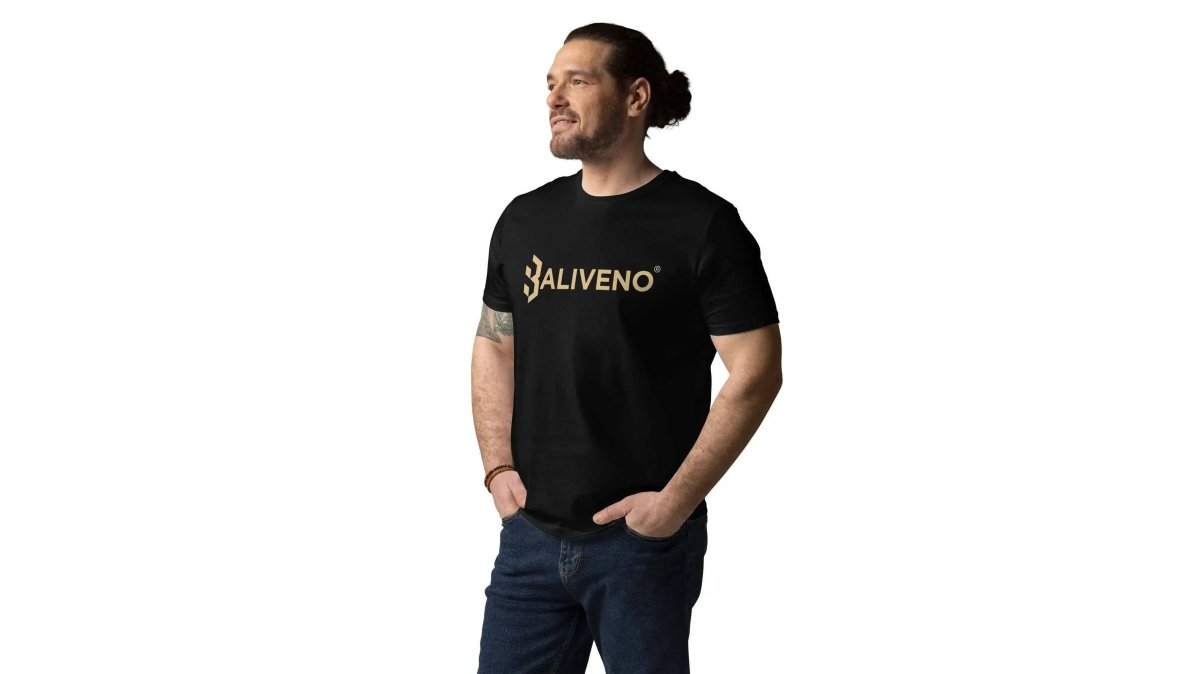
Both Quince and Pact excel at capsule-wardrobe basics: neutral colors, classic cuts, minimal branding. But Pact's superior durability makes it the better long-term choice if you're investing in pieces meant to last. Quince works well for filling gaps or experimenting with new silhouettes, where you're less concerned about multi-year longevity.
For a true capsule foundation, consider mixing brands strategically. Use Quince for trendy basics you might rotate out seasonally, and invest in Pact (or BALIVENO FASHION HOUSE LTD's Signature Cotton Tee) for core pieces you'll wear 100+ times per year. This hybrid approach balances budget and durability.
The key to capsule-wardrobe success is choosing pieces with exceptional fiber content transparency and construction quality. Avoid anything that doesn't clearly state fabric weight, fiber composition, or construction details. Those omissions usually hide mediocre quality.
Which Brand Should You Choose?
Choose Quince if: You're budget-conscious, want to experiment with sustainable basics without major investment, or prefer a minimalist aesthetic. Their vertical integration keeps prices low, and their designs are genuinely well-considered. Expect to replace basics every 12-18 months of regular wear.
Choose Pact if: You prioritize verified ethical practices, want garments that genuinely last 2-3 years of regular wear, and are willing to pay for that longevity and transparency. Their Fair Trade certification and heavier fabrics justify the premium for conscious consumers.
Choose BALIVENO FASHION HOUSE LTD if: You're seeking premium quality with uncompromising construction standards and transparent sourcing. Their pieces, like the Calmness Organic Sweatshirt at $50 or the Signature Cotton Tee at $39.66, combine luxury finish with durability and sustainable practices. The brand's commitment to specific fabric weights, construction details, and sourcing transparency means you're paying for verified quality, not marketing.
The honest answer is that all three brands deliver better value than fast fashion. The difference lies in how much verification you need, how long you expect pieces to last, and what price point feels reasonable for that commitment.
Building a sustainable wardrobe means moving beyond price comparisons to durability analysis. The brands that survive long-term in your closet are the ones that combine quality materials, transparent sourcing, and construction that holds up. BALIVENO FASHION HOUSE LTD's emphasis on fabric weight specifications, reinforced construction, and clear ethical sourcing puts it in the category of pieces worth the investment. Whether you choose Quince, Pact, or BALIVENO FASHION HOUSE LTD depends on how much you prioritize verified ethics, durability expectations, and your budget, but any of these beats the false economy of replacing basics twice a year. Shop Best Sellers and start building a wardrobe that lasts.
Frequently Asked Questions
Is Quince actually high quality compared to Pact?
Both brands prioritize organic cotton and ethical manufacturing, but they differ in execution. Quince focuses on minimalist design and vertical supply chain control, while Pact emphasizes fair-trade certification and transparency. Quality depends on the specific garment: Quince excels in basic t-shirts and basics with consistent fabric weight, while Pact offers strong durability in everyday wear. Both use natural fibers and avoid synthetic blends in core pieces. The choice comes down to your priority: Quince for design simplicity or Pact for certified fair-trade assurance.
How do Quince and Pact compare on ethical manufacturing?
Quince operates vertically integrated factories, controlling production from design to shipping, which reduces middlemen and improves oversight. Pact partners with certified facilities and emphasizes fair-trade practices, publishing supply chain transparency reports. Both avoid exploitative labor practices and maintain reasonable factory wages. Quince's model offers tighter quality control, while Pact's certification-focused approach provides third-party verification. For consumers prioritizing supply chain transparency, Pact's published certifications offer more detailed proof; for those valuing integrated oversight, Quince's factory model delivers direct accountability.
Which brand offers better longevity for everyday basics?
Longevity depends on fabric weight and construction. Pact uses heavier-weight organic cotton (typically 6+ oz/yd²) in t-shirts, which resists pilling and maintains shape through multiple washes. Quince offers lighter basics (5.3 oz/yd²) that prioritize breathability over durability in some styles. Both brands use double-needle stitching and reinforced seams. For maximum garment longevity, look for Pact's heavier-weight options or Quince's premium basics line. Proper care, washing in cold water, air-drying, extends wear-over-time for both brands significantly. Neither brand reports shrinkage issues when care instructions are followed.
What is the price difference, and does it justify the quality gap?
Quince typically prices basic t-shirts at $22-$40, while Pact ranges from $28-$48 for comparable items. The difference reflects Pact's fair-trade certification costs and heavier fabric weight. Cost-per-wear analysis favors both brands over fast fashion: a $35 Quince tee worn 100+ times costs $0.35 per wear, while a $45 Pact piece worn 150+ times costs $0.30 per wear. The premium justifies itself through durability, non-toxic textiles, and ethical labor practices. For capsule wardrobes, investing in either brand reduces the need for frequent replacement, making the higher upfront cost economical over two to three years.
This article was written using GrandRanker

EXPLORE THE BALIVENO EDIT
Continue the story
Discover a BALIVENO piece or collection related to the ideas in this article.
£35.94
Baliveno Drop Shoulder Cotton T-Shirt Explore all clothing

