

Table of Contents
- Is Expensive Clothing Worth the Cost? The Financial Reality
- Understanding Cost-Per-Wear Clothing Calculations
- How to Tell if Clothing is Good Quality Before Buying
- The Benefits of High-Quality Clothing Investment
- Resale Value of Designer Clothes and Long-Term Returns
- The Hidden Costs: Brand Markup, Marketing, and Ethical Production
- Expensive Clothing Worth the Cost: When to Splurge and When to Save
- Conclusion: Making Your Expensive Clothing Decision
Is Expensive Clothing Worth the Cost? A Data-Driven Analysis
Last Updated: July 29, 2026
The question of whether expensive clothing is worth the cost depends entirely on how you define value. At BALIVENO FASHION HOUSE LTD, we've analyzed the financial and practical realities behind premium wardrobe investments. The relationship between cost and durability, fit, and longevity is more complex than assuming higher prices mean better quality. This guide breaks down the real factors that determine whether expensive clothing delivers genuine value using cost-per-wear analysis, fabric science, and financial responsibility frameworks.
Is Expensive Clothing Worth the Cost? The Financial Reality
The answer depends on three variables: how often you wear something, how long it lasts, and what you pay for it. A garment costing four times as much might be worth the investment if it lasts twice as long and you wear it twice as often.
According to research from The Sustainable Apparel Coalition's environmental impact analysis, the fashion industry's waste problem stems largely from consumers buying low-quality pieces that deteriorate quickly, forcing frequent replacements. This creates a false economy where cheaper upfront costs compound into higher lifetime spending.
Understanding Cost-Per-Wear Clothing Calculations
Cost-per-wear is the most honest metric for evaluating whether expensive clothing is worth the cost. It removes emotional reactions to price and replaces them with mathematical clarity.
How to Calculate Your True Cost Per Wear
The formula is straightforward: divide the garment's price by the number of times you'll realistically wear it before it's no longer wearable or fashionable.
Cost per wear = Purchase price ÷ Total number of wears
Here's a practical example:
- Premium jeans: $180 purchase price, 150 wears before excessive fading = $1.20 per wear
- Budget jeans: $40 purchase price, 30 wears before deterioration = $1.33 per wear
In this scenario, the expensive option actually costs less per wear, despite the higher sticker price.
When Cost-Per-Wear Analysis Favors Premium Pieces
Expensive clothing worth the cost emerges when three conditions align: high frequency of wear, extended durability, and versatility within your existing wardrobe. Wardrobe staples like neutral-colored blazers, well-fitting jeans, basic t-shirts, and classic shoes are candidates for premium investment. A $200 white button-down shirt worn 150 times per year across three years reaches only $0.44 per wear, making the premium price entirely justified.
Conversely, trend-driven items rarely justify premium pricing. These pieces typically get worn 10-20 times before feeling dated, pushing cost-per-wear into the $5-$15 range regardless of quality. Fast fashion makes more sense for these items. See What Premium Looks Like
How to Tell if Clothing is Good Quality Before Buying
Quality assessment requires knowing what to look for in fabric composition, construction methods, and finishing details. Expensive clothing worth the cost must deliver demonstrable quality advantages that justify the premium.
Objective Fabric Science and Material Durability
Fiber composition determines how a garment will perform over time. Natural fibers like cotton, wool, and linen tend to age better than synthetics, but durability depends on thread count, yarn weight, and weave construction.
Look for these quality indicators:
Weight and density: Higher-weight fabrics generally outlast lighter ones. A 14-ounce denim will outlast 10-ounce denim.
Fiber content: 100% natural fibers or high-quality blends (80%+ natural content) outperform synthetic-heavy compositions.
Pilling resistance: Examine how the fabric handles friction. Premium fabrics resist pilling through tighter weaves and better yarn preparation.
Colorfastness: Quality dyes don't bleed or fade quickly. Run your finger along slightly dampened fabric; if color transfers, the dye quality is questionable.
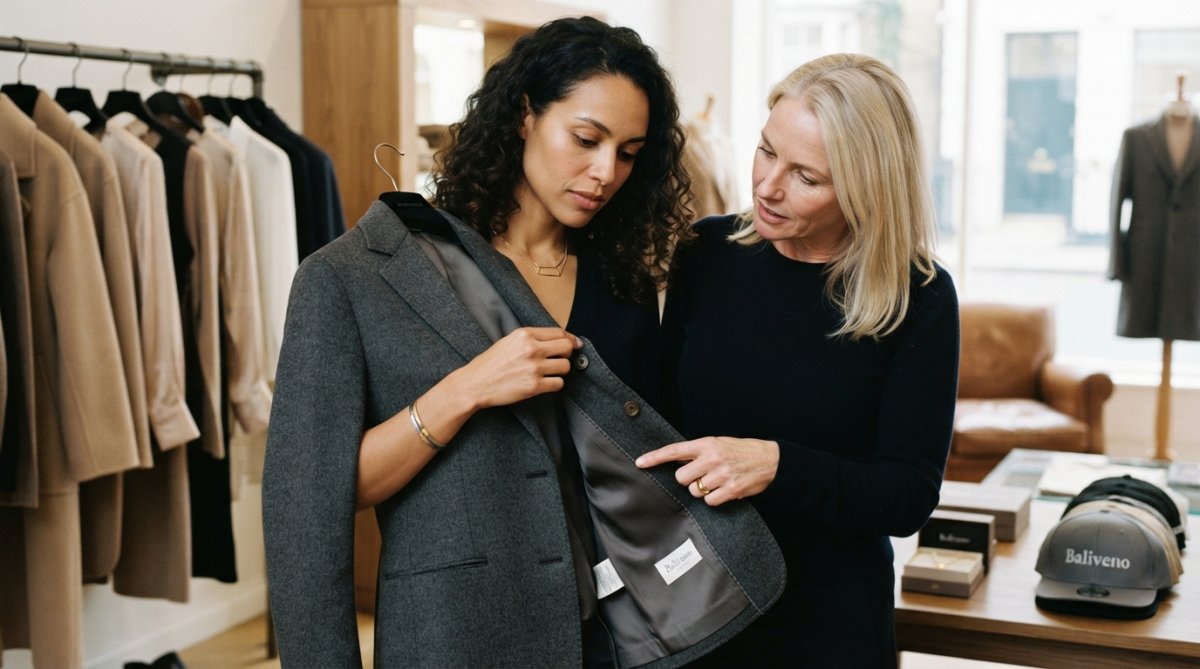
Research from The Textile Exchange's Preferred Fiber and Materials Market Report shows that garments made from premium natural fibers demonstrate significantly longer functional lifespans when properly maintained, supporting the cost-per-wear logic for investment pieces.
Quality Control and Garment Construction Signs
How a piece is assembled reveals whether expensive clothing worth the cost delivers on its promise. Poor construction shortcuts undermine even excellent fabric.
Inspect these construction details:
Seams: Should be straight, even, and tightly stitched with reinforcement in high-stress areas like armholes and crotches.
Hems: Quality hems use consistent stitch length with barely visible stitching. Cheap hems use loose, irregular stitching that unravels within months.
Buttons: Should be sewn through multiple layers with thread reinforcement underneath.
Zippers: Premium zippers glide smoothly with sturdy sliders. YKK and Riri are trusted manufacturers found in quality garments.
Interior finishing: Seams should be finished (bound or overlocked) inside the garment, not raw.
Fabric grain alignment: Patterns should be matched at seams, and the fabric grain should run straight, not twisted.
These details take seconds to check in-store or during unboxing and indicate whether the garment will distort with wear.
The Benefits of High-Quality Clothing Investment
Premium pieces deliver advantages beyond aesthetics. The psychology of wearing quality clothing, combined with genuine durability improvements, creates measurable benefits to daily life and confidence.
Durability, Longevity, and Maintenance Cost-Benefit
High-quality garments extend their useful lifespan through better material resilience and construction durability. A premium wool coat might be worn 5-7 years before showing significant wear, while a budget coat deteriorates after 2-3 years.
Consider the real-world scenario: A $300 wool sweater worn 100 times over four years, requiring one professional cleaning per year ($15 each, so $60 total) costs $360 total, or $0.90 per wear. A $50 sweater worn 30 times before pilling forces replacement, requiring three replacements over the same period ($150 total) costs $150 total, or $1.67 per wear, despite the lower initial price.
Enclothed Cognition and Psychological Impact
The psychological dimension of wearing quality clothing is real and measurable. Enclothed cognition, the psychological effect of clothing on the wearer's confidence, performance, and self-perception, creates tangible benefits beyond the garment's functional qualities. Wearing expensive clothing worth the cost often translates to improved posture, increased confidence in professional settings, and better attention to personal presentation.
Fit, Tailoring, and Aesthetic Confidence
Premium clothing often fits better than budget alternatives because higher-end manufacturers invest in pattern development across multiple sizes and body types. A well-fitting garment requires less alteration and looks dramatically better, multiplying the piece's versatility within your wardrobe.
Resale Value of Designer Clothes and Long-Term Returns
Certain premium pieces retain significant resale value, creating a hidden financial advantage for expensive clothing worth the cost. This is particularly true for designer handbags, luxury watches, and classic outerwear pieces from established brands.
Which Luxury Goods Hold Value Best
Designer handbags from brands like Hermès, Chanel, and Louis Vuitton retain 70-90% of their original value when resold in good condition. A $5,000 Hermès bag purchased today might resell for $3,500-$4,500 in five years, meaning the cost-per-wear calculation includes a resale recovery that dramatically improves the financial case.
Classic outerwear pieces (wool coats, leather jackets, down parkas) from quality manufacturers hold value reasonably well, typically retaining 40-60% of original value. Platforms like Vestiaire Collective, Depop, and The RealReal have created functional secondary markets for designer goods, making resale feasible for pieces you no longer wear.
The Hidden Costs: Brand Markup, Marketing, and Ethical Production
Not all expensive clothing worth the cost justifies its price through quality alone. Understanding where your money actually goes helps distinguish genuine quality premiums from inflated brand markup.
Separating Premium Quality from Luxury Brand Premium
A $200 shirt and a $600 shirt from a luxury brand might use similar fabrics and construction methods. The difference often reflects marketing spend, brand heritage, and retail overhead rather than proportional quality improvement. Luxury brands typically spend 15-25% of revenue on marketing and brand building, while quality-focused brands spend 5-10%. This marketing premium gets passed to consumers.
Identifying this distinction requires comparing specific products across brands rather than assuming higher price equals higher quality.
Ethical Manufacturing and Sustainable Fashion Value
Expensive clothing worth the cost increasingly reflects ethical manufacturing practices and sustainable production methods. A $180 sustainable t-shirt might cost three times as much as a fast-fashion alternative because it's made from organic cotton, produced in a facility with fair wages and safe working conditions, and manufactured with minimal environmental impact. Look for third-party certifications (Fair Trade, B Corp, GOTS for organic) and transparent supply chain information.
Expensive Clothing Worth the Cost: When to Splurge and When to Save
The practical answer requires matching purchasing decisions to specific use cases and your financial situation.
Wardrobe Staples That Justify Premium Pricing
Invest premium prices in pieces you'll wear frequently across multiple seasons and situations:
Foundational basics: White t-shirts, neutral sweaters, well-fitting jeans, white button-downs, and basic tanks form the foundation of most wardrobes. Premium versions get worn 100+ times per year and integrate with dozens of outfits.
Outerwear: Coats, jackets, and blazers are worn across seasons and situations. A quality blazer worn 2-3 times per week for five years reaches 500+ wears, making even a $400 investment cost less than $1 per wear.
Shoes: Quality shoes that fit properly and are constructed from durable materials outlast budget shoes dramatically.
Denim: Well-made jeans improve with age and wear while maintaining structural integrity.
Skip premium pricing for trend-driven items, occasion-specific pieces worn only a few times per year, and items you're uncertain about.
Budgeting and Financial Responsibility in Consumerism
Expensive clothing worth the cost only if it fits within a sustainable budget that doesn't compromise financial security. Responsible expensive clothing purchases require a financial foundation with emergency savings and manageable debt, a reasonable budget allocation (typically 5-10% of discretionary income for clothing), intentional purchasing based on identified wardrobe gaps, and resale planning.
The psychological trap of expensive clothing is justifying purchases through aspirational use. Real financial responsibility requires basing purchases on actual, documented usage patterns, not hoped-for future behavior.
Determining whether expensive clothing is worth the cost requires moving beyond price-based thinking and adopting financial clarity. Calculate cost-per-wear, assess actual quality indicators, and match purchases to realistic usage frequency. BALIVENO FASHION HOUSE LTD's approach combines premium materials, natural fibers, quality construction, and timeless design with sustainable manufacturing practices that justify investment pricing through durability, versatility, and ethical value. Start with wardrobe staples where wear frequency supports premium pricing, and use cost-per-wear analysis to distinguish genuine quality investments from inflated brand markup. Shop Best Sellers and build a capsule wardrobe where expensive clothing delivers measurable value across your daily life.
Frequently Asked Questions
Is expensive clothing worth the cost if I only wear it a few times?
Not typically. Expensive clothing worth the cost depends heavily on cost-per-wear calculations. If you wear a $200 piece only 5 times, your cost-per-wear is $40, potentially higher than budget alternatives worn 50 times. Premium pieces justify their price through frequent wear, durability, and timeless design that maintains relevance in your wardrobe for years.
How do I know if expensive clothing has good quality before buying?
Examine fabric composition, seam construction, and weight. Natural fibers like organic cotton, wool, and linen typically outlast synthetics. Check for reinforced seams, finished hems, and consistent stitching patterns. Research the brand's ethical production standards and customer reviews about longevity. Premium brands often provide material certifications and detailed care instructions, signaling quality commitment.
What are the main benefits of high-quality clothing beyond just looking nice?
Quality clothing offers durability (lasting years instead of months), reduced maintenance costs through fewer replacements, better fit through tailoring options, and psychological benefits from enclothed cognition, the confidence boost from wearing well-made pieces. Premium materials also age better, maintain their aesthetic longer, and often integrate into capsule wardrobes more effectively, reducing decision fatigue and supporting sustainable consumption.
Can you actually make money back on resale value of designer clothes?
Yes, but selectively. Designer labels with strong brand recognition, timeless designs, and limited production runs hold resale value better. Luxury goods from heritage brands, classic styles, and pieces in excellent condition can resell for 30-60% of original price on platforms like Vestiaire Collective or Rebag. Fast fashion and trend-driven pieces depreciate rapidly, while investment pieces in neutral colors maintain value longer.
Should I buy expensive clothing or invest in a capsule wardrobe with cheaper pieces?
A hybrid approach works best: invest in expensive wardrobe staples (neutral blazers, quality jeans, timeless basics) and supplement with affordable trend pieces. Expensive clothing worth the cost when it's versatile, durable, and worn frequently. Budget pieces work for experimental styles or seasonal trends. This balances financial responsibility with quality, premium essentials provide longevity while affordable pieces satisfy style evolution without breaking your budget.
This article was written using GrandRanker

EXPLORE THE BALIVENO EDIT
Continue the story
Discover a BALIVENO piece or collection related to the ideas in this article.
£35.94
Baliveno Drop Shoulder Cotton T-Shirt Explore all clothing

