

Table of Contents
- Why Identifying Quality Sustainable Fabrics Matters
- Best Eco-Friendly Fabrics for Clothing
- How to Check Fabric Quality Through Physical Inspection
- Understanding Textile Sustainability Certifications
- Spotting Greenwashing and Red Flags
- The Role of Supply Chain Transparency and Ethical Manufacturing
- End-of-Life Circularity and Microplastic Shedding
- Conclusion
Last Updated: August 27, 2026
Why Identifying Quality Sustainable Fabrics Matters
When shopping for clothing that aligns with your values, marketing language can be misleading. Words like "eco-friendly" and "sustainable" get thrown around so freely they've lost real meaning. The real challenge isn't finding sustainable options, it's finding ones that are actually well-made and will last. 🌱
At BALIVENO FASHION HOUSE LTD, we believe that true sustainability starts with durability. A garment that falls apart after a few washes isn't sustainable, no matter what materials it's made from. That's why we've invested in understanding how to identify high quality sustainable fabrics, because buying less, but buying better, is the foundation of a responsible wardrobe.
How to identify high quality sustainable fabrics requires looking beyond marketing claims and understanding actual construction, fiber sourcing, and production methods. This guide walks you through physical inspection techniques, certification verification, and red flags that separate genuinely sustainable pieces from greenwashing.
Best Eco-Friendly Fabrics for Clothing
The foundation of identifying quality sustainable fabrics starts with understanding which materials deliver both environmental benefits and lasting durability. Not all eco-friendly fabrics are created equal, some are genuinely low-impact while others are merely "less bad" than conventional alternatives. 🌿
Organic Cotton and Ring-Spun Construction
Organic cotton is grown without synthetic pesticides or fertilizers, reducing chemical runoff and protecting soil health. But construction method matters enormously for durability.
Ring-spun cotton is the gold standard for fabric quality. This construction twists individual fibers tightly together, creating stronger yarn that resists pilling, maintains shape through repeated washing, and softens over time rather than deteriorating.
When examining organic cotton pieces, look for fabric weight listed in ounces per square yard (oz/yd²). Quality organic cotton t-shirts typically weigh between 5.3 and 6.0 oz/yd² (peer-reviewed research). Lighter weights (under 4.5 oz/yd²) pill more easily and lose shape faster. BALIVENO's Organic Cotton T-Shirt uses 5.3 oz/yd² ring-spun construction, striking the balance between comfort and durability that makes a piece worth keeping.

Hemp, Linen, and Bamboo Alternatives
Hemp fiber is remarkably durable and requires minimal water and no synthetic pesticides to grow. Hemp fabrics become softer with each wash and are naturally resistant to mold and UV damage. Pure hemp can feel stiff initially, though blends with organic cotton improve wearability.
Linen, made from flax plants, is one of the most durable natural fibers available. It requires less water than cotton, naturally biodegrades, and develops a beautiful patina over time. Linen becomes stronger when wet and is often blended with other fibers for everyday wear to reduce wrinkling.
Bamboo fabric (typically TENCEL Lyocell or viscose) comes from fast-growing bamboo requiring minimal pesticides. Lyocell uses a closed-loop system where solvents are recycled, making it far more sustainable than conventional viscose.
When evaluating these alternatives, check whether the fabric is a blend or pure fiber. Blends often perform better in real-world wear.
Recycled Polyester and TENCEL Lyocell
Recycled polyester diverts plastic waste from landfills and requires significantly less energy than virgin polyester. However, it still sheds microplastics during washing, making it less ideal for aquatic environments. It's valuable in blended fabrics but shouldn't be your primary choice for everyday basics.
TENCEL Lyocell represents a genuinely sustainable synthetic option. Made from wood pulp using a closed-loop solvent system, Lyocell uses 99% of its solvents in a regenerative cycle. The resulting fabric is soft, breathable, and biodegradable.
How to Check Fabric Quality Through Physical Inspection
Physical inspection reveals whether a fabric will actually hold up to real-world wear. You can't assess quality from photos or descriptions alone. 👕
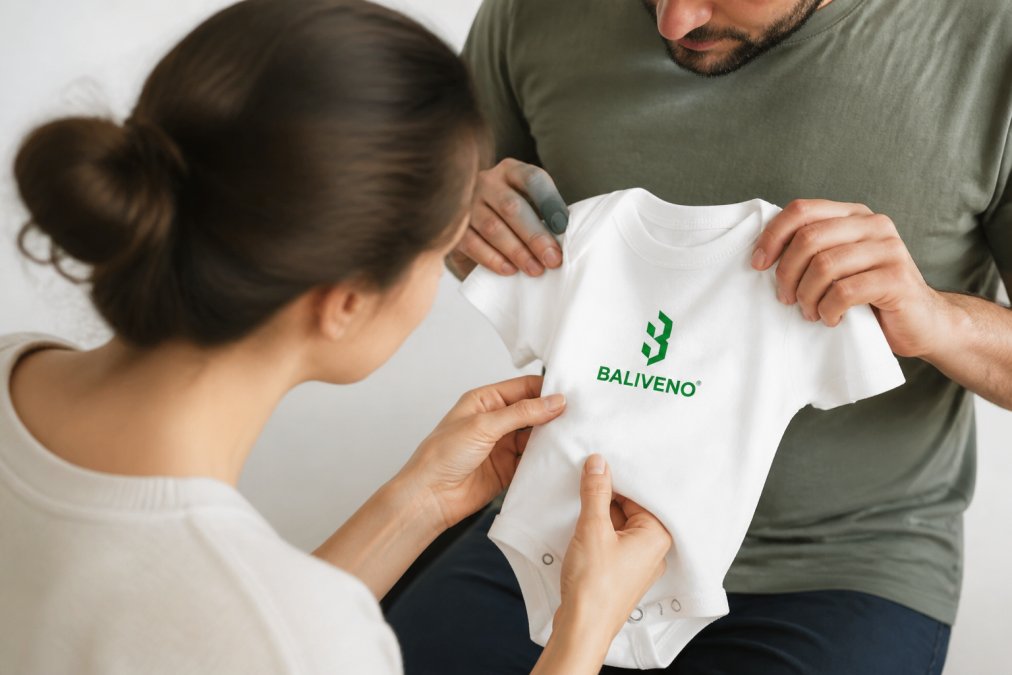
Assessing Weave Consistency and Fabric Weight
Run your fingers across the fabric surface in both directions. A quality weave feels consistent with no thin spots, loose threads, or irregular bumps. Inconsistent weave signals that the fabric will develop weak points and tear prematurely.
Check the fabric weight. Lightweight fabrics (under 4 oz/yd² for cotton) are more breathable but less durable. Medium-weight fabrics (5-6 oz/yd²) offer the sweet spot for everyday wear. Heavier fabrics (7+ oz/yd²) last longer but can feel stiff until broken in.
Testing for Pilling, Tensile Strength, and Durability
Pilling, those little fabric balls that form on the surface, is the enemy of longevity. Rub the fabric firmly against itself for 10-15 seconds. Quality fabrics show minimal pilling; lower-quality fabrics pill immediately.
Tensile strength, the fabric's resistance to tearing, can be tested by gently pulling the fabric in both directions. It should resist tearing with firm pressure. Fabrics that tear easily under moderate tension will fail in normal wear.
Check seams, hems, and construction details. Are seams reinforced with multiple rows of stitching? Do hems look finished and secure? Poor seam construction is one of the fastest ways a garment fails, regardless of fabric quality.
Sensory Testing: Touch, Drape, and Movement
Touch should feel soft but substantial. Quality sustainable fabrics feel natural and slightly textured. Organic cotton should feel soft without being slippery. Linen should feel crisp but not stiff.
Drape, how the fabric hangs and moves, indicates weight distribution and fiber quality. Quality sustainable fabrics drape smoothly and follow the body's movement naturally.
Movement matters for everyday wear. Put the garment on and move your arms, bend, sit. Does it stretch where it should? Does it return to shape? Quality fabrics maintain their structure through movement.
Understanding Textile Sustainability Certifications
Marketing claims mean nothing without verification. Certifications provide third-party proof that a fabric actually meets environmental and ethical standards. 📋
GOTS, OEKO-TEX, and Fair Trade Verification
GOTS (Global Organic Textile Standard) is the gold standard for organic fiber certification. GOTS verifies that fabrics are made from certified organic fibers and that the entire production process meets strict environmental and social criteria.
OEKO-TEX Standard 100 certifies that a finished textile is free from harmful chemicals. This is valuable for health and safety but doesn't verify organic sourcing or sustainable production methods. It's useful as a supplementary certification but shouldn't be your primary criteria.
Fair Trade Certification verifies that workers received fair wages and worked in safe conditions. Reputable certifiers conduct regular audits and maintain transparent supply chains.
Other certifications worth knowing: Cradle to Cradle focuses on circular economy design; Bluesign addresses chemical safety; Higg Index measures overall environmental impact.
The key is looking for MULTIPLE certifications. A garment with GOTS + Fair Trade + OEKO-TEX has been verified across environmental, social, and safety dimensions.
How to Read Garment Labels and Verify Claims
Fiber content must be listed by percentage. "100% organic cotton" is clear; "organic cotton blend" is vague. Check exact percentages, a blend that's 30% organic cotton and 70% synthetic is not primarily sustainable.

Country of manufacture gives clues about labor standards. Garments made in countries with strong labor laws generally have higher ethical standards.
Care instructions reveal something about durability. Garments requiring dry cleaning or hand-washing only may indicate delicate construction. Quality sustainable fabrics should withstand machine washing.
Certifications on the label should be specific. "Eco-friendly" is meaningless; "GOTS certified" is verifiable. If a label claims sustainability without naming a certification, research the brand's supply chain independently.
To verify claims, visit the certifying organization's website and search their database. GOTS, Fair Trade, and OEKO-TEX all maintain searchable lists of certified facilities and products.
Spotting Greenwashing and Red Flags
Greenwashing, making false or exaggerated environmental claims, is rampant in fashion. Learning to spot it protects both your wallet and your values. 🚩
Red flags include:
- Vague language: "eco-friendly," "natural," "sustainable" without specific certifications
- Single-attribute focus: Highlighting one green element while ignoring others
- Missing supply chain transparency: Brands that won't disclose where or how garments are made
- Inconsistent pricing: Sustainable claims paired with suspiciously low prices
- No third-party verification: Claims made by the brand itself without independent certification
- Misleading imagery: Pastoral photos that don't match actual sourcing practices
The antidote to greenwashing is skepticism paired with research. If a brand's sustainability story sounds compelling, verify it. Check certifications, read independent reviews, and look for supply chain transparency. Brands with nothing to hide publish detailed information about their production methods and facilities.
The Role of Supply Chain Transparency and Ethical Manufacturing
Quality sustainable fabrics depend on ethical manufacturing practices throughout the supply chain. From fiber farming to finished garment, every step affects both environmental impact and worker welfare. 🌍
Transparent supply chains allow you to trace where your garment was made and under what conditions. Brands that publish the names and locations of their manufacturing facilities are more accountable.
Ethical manufacturing means:
- Fair wages: Workers earn enough to meet basic needs in their region
- Safe working conditions: Facilities meet health and safety standards
- Reasonable hours: Workers aren't forced into excessive overtime
- No child labor: Verification that production doesn't exploit minors
- Environmental compliance: Manufacturing facilities meet pollution and waste standards
BALIVENO's commitment to premium, sustainable clothing extends to manufacturing practices. Our pieces are designed to last because we invest in quality construction and ethical production, both of which result in garments that justify their value through durability.
End-of-Life Circularity and Microplastic Shedding
True sustainability doesn't end at purchase. How a garment behaves after years of wear matters significantly. ♻️
Microplastic shedding is a critical concern with synthetic fabrics. Every wash releases tiny plastic fibers into water systems, where they persist indefinitely (peer-reviewed research). Natural fibers (organic cotton, linen, hemp) biodegrade completely; synthetic fibers (polyester, nylon) do not.

Recycled polyester still sheds microplastics. TENCEL Lyocell, being cellulose-based, biodegrades like natural fibers, making it more sustainable than recycled synthetics for frequently washed garments.
End-of-life circularity refers to what happens when a garment is no longer wearable. Circular design means the garment can be disassembled, with fibers separated for recycling or composting. Most conventional garments use mixed fibers and complex construction that makes recycling impossible.
Quality sustainable garments are often designed for longevity, which is itself a form of circularity. A garment you wear for 10 years produces far less waste than one you wear for 1 year and discard. Some brands now offer take-back programs where worn garments are recycled or repurposed, closing the loop and ensuring your clothing doesn't become waste.
Identifying high quality sustainable fabrics requires understanding fiber types, construction methods, certifications, and the full lifecycle of garments. When you invest in garments made from certified organic materials, ethically manufactured, and built to withstand years of wear, you're making the most sustainable choice possible: buying less, but buying better. Explore BALIVENO's collection of premium, sustainable basics, each piece is designed with quality construction and ethical sourcing so your wardrobe investment endures.
| Fabric Type | Durability | Environmental Impact | Best For | Care Requirements |
|---|---|---|---|---|
| Organic Cotton (ring-spun) | High | Low (no pesticides) | Everyday basics | Machine wash, tumble dry |
| Linen | Very High | Very Low (minimal water) | Warm weather, structured pieces | Machine wash, wrinkles acceptable |
| Hemp | High | Very Low (no pesticides) | Durable basics, blends | Machine wash, softens over time |
| Bamboo (TENCEL Lyocell) | Medium-High | Low (closed-loop production) | Moisture-wicking, soft feel | Machine wash, gentle cycle |
| Recycled Polyester | Medium | Mixed (waste reduction, microplastics) | Blended fabrics, performance wear | Machine wash, air dry preferred |
Frequently Asked Questions
How can I tell if a fabric is truly high quality?
High quality fabrics show consistent weave patterns, appropriate fabric weight for their intended use (typically 4-6 oz/yd² for everyday apparel), and resist pilling after washing. Feel the fabric for softness and drape smoothly without bunching. Check for secure seams, even dyeing, and no visible defects. Organic cotton with ring-spun construction and TENCEL lyocell both indicate premium processing. Read the label for fiber content and look for recognized certifications like GOTS or OEKO-TEX, which verify both quality and sustainability standards.
What textile sustainability certifications should I look for?
The most reliable textile sustainability certifications include Global Organic Textile Standard (GOTS) for organic fiber verification, OEKO-TEX for chemical safety and low-impact processing, and Fair Trade certification for ethical wages and working conditions. TENCEL certification indicates responsible forestry and closed-loop production. When reviewing garment tags, prioritize items with multiple certifications rather than single claims. Cross-reference certifications on the issuing organization's website to verify legitimacy and avoid greenwashing tactics that use vague or invented certification names.
What's the difference between organic and recycled sustainable fabrics?
Organic fabrics like organic cotton and hemp are grown without synthetic pesticides or fertilizers, reducing environmental toxins and water contamination during cultivation. Recycled fabrics, such as recycled polyester, divert textile waste from landfills and reduce virgin resource extraction. Both reduce environmental impact, but through different mechanisms. Organic fabrics support cleaner agriculture and fair wages for farmers, while recycled options address textile waste and circular economy goals. For maximum durability and longevity, organic cotton and linen tend to hold their shape better over time than some recycled blends.
How does durability impact the overall sustainability of a garment?
A durable garment worn for years has a lower environmental cost per wear than a lower-quality piece discarded after months. Sustainable fabrics with high tensile strength, pilling resistance, and stable weave construction reduce replacement frequency and textile waste. Inspect fabric weight, seam quality, and fiber type to assess longevity. Premium sustainable fabrics like organic cotton with 5+ oz/yd² weight and tight weave construction typically outlast cheaper alternatives by years. Proper care extends lifespan further, making durable sustainable choices the most environmentally responsible investment despite higher upfront costs.
This article was written using GrandRanker
EXPLORE THE BALIVENO EDIT
Continue the story
Discover a BALIVENO piece or collection related to the ideas in this article.
BALIVENO Sustainability & Our Impact Explore BALIVENO clothing

