

Table of Contents
- Understanding Luxury Sustainable Fabrics and Why Care Matters
- The Sustainable Fabric Care Guide: Core Principles
- Eco-Friendly Laundry Practices for Sustainable Garments
- Delicate Fabric Washing Tips for Silk, Wool, and Mohair
- Organic Cotton Care and Natural Fiber Maintenance
- Drying Methods: Air Drying vs. Machine Drying for Sustainable Fabrics
- Advanced Care Techniques: Storage, Stain Removal, and Water Hardness
- Common Mistakes to Avoid When Washing Luxury Sustainable Fabrics
Last Updated: July 28, 2026
Understanding Luxury Sustainable Fabrics and Why Care Matters
Learning how to wash luxury sustainable fabrics is essential for preserving your investment in quality, ethical clothing. At BALIVENO FASHION HOUSE LTD, we understand that premium sustainable garments demand a different approach than conventional fast fashion. Sustainable materials like organic cotton, linen, silk, wool, and mohair require gentler handling and more thoughtful maintenance. The good news: proper care isn't complicated. It's intentional.
What Makes Sustainable Materials Different
Sustainable fabrics are manufactured with lower environmental impact, but this comes with specific care requirements. Organic cotton is grown without synthetic pesticides, making it gentler on skin but more prone to shrinkage if exposed to high heat. Wool and mohair fibers have natural scales that can lock together when agitated, causing matting and pilling. Silk requires protection from friction and harsh chemicals that can break down its delicate protein structure. Understanding fiber composition is your first step toward extending garment longevity.
The Connection Between Proper Care and Garment Longevity
A luxury sustainable piece washed correctly can serve you for years or even decades. When you wash luxury sustainable fabrics with the right temperature, detergent, and technique, you preserve fiber integrity, prevent color fading, and avoid structural damage like shrinkage or stretching. This is why BALIVENO FASHION HOUSE LTD emphasizes that washing isn't just about removing dirt, it's about respecting the material and the craftsmanship behind it.
The Sustainable Fabric Care Guide: Core Principles
Reading and Following Care Labels
Your garment's care label is not a suggestion, it's the manufacturer's guidance based on the specific fiber blend, dye method, and construction. Before washing anything, locate the care label and read it completely. It will tell you the fiber content, recommended water temperature, appropriate cycle, and any warnings about specific processes.
The Importance of Washing Less Frequently
One of the most transformative practices in sustainable fabric care is simply washing less. Most people wash clothes far more often than necessary, which accelerates wear, fading, and fiber breakdown. Spot-clean stains immediately rather than washing the entire garment. Air out clothes between wears to refresh them without water and detergent. Reserve full washing for when garments genuinely need it, typically after 5-10 wears for tops and bottoms, less frequently for outerwear and structured pieces. Washing less extends garment life dramatically and reduces water consumption and energy use.
Eco-Friendly Laundry Practices for Sustainable Garments
Choosing the Right Eco-Friendly Detergent
Standard laundry detergents contain harsh surfactants, optical brighteners, and synthetic fragrances that can damage delicate sustainable fibers and contaminate waterways. Eco-friendly detergents are formulated to clean effectively while using plant-based ingredients and biodegradable formulas. Look for detergents certified by third-party organizations like the EPA Safer Choice program or ecocert. Use less detergent than you think you need; a small amount of quality eco-friendly detergent is more effective than a large amount of conventional soap.
Cold Water Washing and Temperature Guidelines
Temperature is one of the most critical factors in washing luxury sustainable fabrics. Cold water (under 60°F) is your default for almost all sustainable materials. Cold water preserves color, prevents shrinkage, and reduces fiber stress compared to warm or hot water. The only exceptions are when a care label specifically recommends warm water for sanitization or when washing heavily soiled items. Cold water is also more energy-efficient and reduces your carbon footprint.
Avoiding Harsh Chemicals and Fabric Softeners
Fabric softeners and dryer sheets are particularly damaging to sustainable fabrics. These products coat fibers with silicone-based compounds that reduce breathability and trap moisture. Avoid bleach, oxygen-based whiteners, and any product containing chlorine. For stain removal on sustainable materials, use enzymatic stain treatments or oxygen-based boosters designed for delicate fabrics. White vinegar (used sparingly in the rinse cycle) helps remove detergent residue and naturally brightens without harsh chemicals.
Delicate Fabric Washing Tips for Silk, Wool, and Mohair
Hand Washing Delicate Fibers
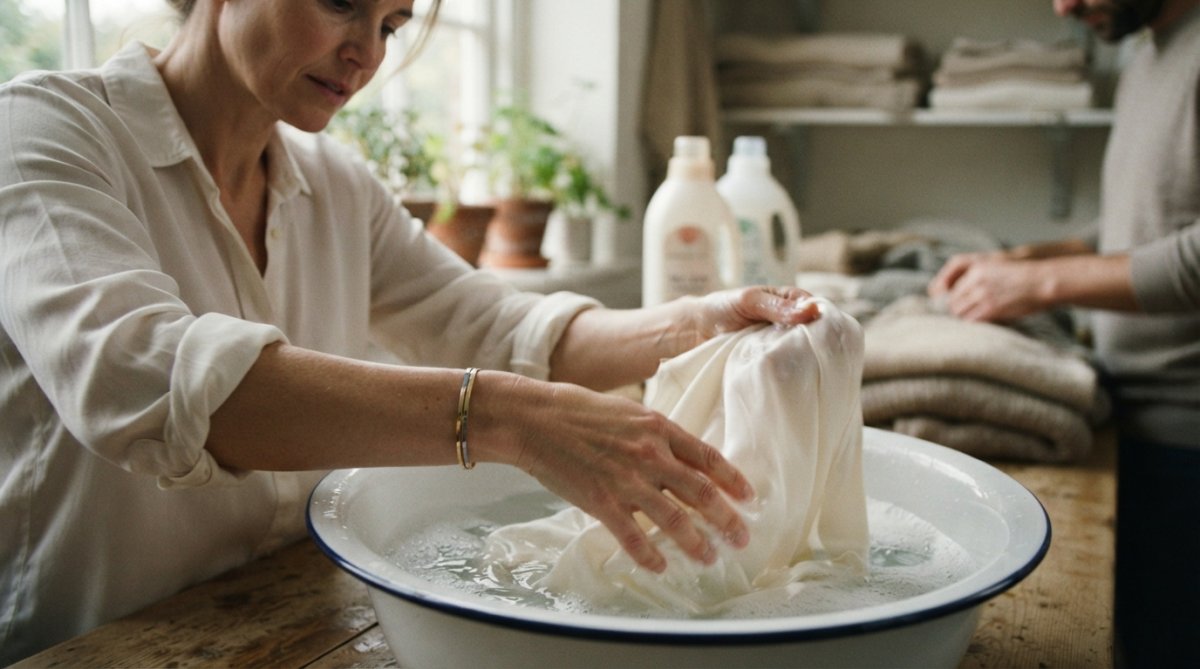
Hand washing is the safest method for silk, delicate blends, and fine knits. Fill a basin with cool water and add a small amount of wool or silk-specific detergent. Submerge the garment and gently agitate the soapy water through the fabric for 2-3 minutes without rubbing, wringing, or twisting. Rinse thoroughly in cool water, changing the water 2-3 times until no soap remains. Gently squeeze out excess water without wringing. For garments labeled "hand wash only," this method is non-negotiable.
The Gentle Cycle: When and How to Use It
The gentle cycle on your washing machine mimics hand washing by using slower agitation and shorter spin times. Use it for garments labeled "machine wash gentle" or "delicate cycle." Fill the machine only halfway to allow room for water circulation. Use cold water, a small amount of eco-friendly detergent, and set the cycle to the gentlest option available. Remove garments immediately after the cycle ends to prevent wrinkles and mildew.
Protecting Against Pilling and Matting
Pilling occurs when short fibers break and ball up on the fabric surface, common in wool, mohair, and cotton blends. Matting happens when fibers felt together, creating a stiff, clumped appearance. Wash inside out to reduce friction on the garment surface. Use cold water and avoid agitation. Don't overcrowd the washing machine. Choose delicate cycles rather than standard ones. After washing, dry flat rather than hanging to prevent stretching.
Organic Cotton Care and Natural Fiber Maintenance
Washing Organic Cotton Safely
Organic cotton can be machine washed in cold water on a standard cycle, making it more forgiving than silk or wool. However, it's still more delicate than conventional cotton because it hasn't been treated with chemical finishes. Expect a small amount of shrinkage (typically 3-5%) in the first wash. Account for this when purchasing by choosing a size that allows for slight shrinkage. Use a mild eco-friendly detergent and avoid bleach or oxygen-based whiteners, which can yellow organic cotton over time.
Maintaining Fiber Integrity Over Time
Fiber integrity refers to the structural strength and appearance of the material. Organic cotton maintains integrity when you avoid excessive heat, harsh chemicals, and aggressive agitation. Inspect garments before washing to address stains early. Treat stains with enzyme-based products rather than bleach. Wash only when necessary rather than automatically after each wear. BALIVENO FASHION HOUSE LTD's organic cotton baby bodysuit, priced at $25.00, exemplifies how quality organic cotton can serve multiple children across years when cared for properly.
Drying Methods: Air Drying vs. Machine Drying for Sustainable Fabrics
Why Air Drying Preserves Luxury Fabrics
Air drying is the gold standard for sustainable fabrics. It eliminates heat damage, prevents shrinkage, and avoids the mechanical stress of tumbling. Machine dryers generate temperatures (typically 130-150°F) that break down delicate fibers, set wrinkles, and accelerate wear. Air drying also uses zero energy, aligning with the sustainability values behind your fabric choices.
Proper Air Drying Techniques
Lay delicate items flat on a clean towel or mesh drying rack to prevent stretching that occurs when hanging wet garments. For items that can be hung, use padded hangers to prevent shoulder marks and creasing. Hang away from direct sunlight, which can fade colors, and from heat sources. Turn garments halfway through drying to ensure even moisture evaporation. The entire process may take 24-48 hours depending on humidity, but the result is garments that maintain their shape and color for years.
Advanced Care Techniques: Storage, Stain Removal, and Water Hardness
Turning Garments Inside Out Before Washing
This simple technique protects the outer surface of your garments from friction and fading. Turning items inside out before washing reduces color loss and prevents pilling on visible surfaces. For delicate items with embellishment or appliqués, turning inside out protects these details from direct contact with water and detergent.
Stain Removal for Sustainable Materials
Address stains immediately for the best results. Blot (don't rub) the stain with a clean cloth to remove excess liquid. For organic cotton and linen, use an enzyme-based stain treatment designed for natural fibers. For protein-based stains on wool or silk, use cold water and a specialized wool or silk stain remover. Test any stain treatment on an inconspicuous area first. Avoid heat until the stain is completely removed, as heat sets stains permanently.
Water Hardness Impact on Fabric Care
Hard water (high mineral content) interferes with detergent effectiveness and can leave residue on sustainable fabrics, making them feel stiff and look dull. If you have hard water, consider using a water softening additive in your washing machine. Hard water minerals accumulate on fibers over time, causing colors to fade faster and reducing the softness of delicate materials.
Storage Best Practices for Luxury Garments
Store in a cool, dry place away from direct sunlight, which fades colors. Use breathable cotton storage bags rather than plastic, which traps moisture and promotes mildew growth. Fold heavy knits rather than hanging them, which prevents stretching. Store with cedar blocks or lavender sachets to naturally repel moths without harsh chemicals. Check stored items every few months to ensure they remain dry and pest-free.
Microplastic Filtration and Environmental Responsibility
Synthetic microfibers shed during washing, contributing to ocean pollution. While sustainable fabrics like organic cotton and wool shed less than synthetics, they still release small fibers. Using a microfiber-catching laundry ball or washing machine filter captures these particles before they enter the water system. These filters are inexpensive and easy to use, simply place the ball in the washing machine or install a filter on your machine's drain.
Common Mistakes to Avoid When Washing Luxury Sustainable Fabrics
Overwashing and Its Impact on Garment Longevity
The biggest mistake is washing too frequently. Every wash, even gentle washing, stresses fibers, fades colors, and gradually breaks down material structure. Wearing a garment 5-10 times before washing is normal and healthy. Spot-clean stains and air out garments between wears. Reserve full washing for when garments genuinely need it.
Using the Wrong Water Temperature
Hot or warm water causes shrinkage in organic cotton, opens fiber scales in wool and mohair (promoting matting), and accelerates color fading in all fabrics. Cold water is the correct choice for nearly all sustainable materials. Default to cold, and you'll avoid most temperature-related damage.
Ignoring Care Labels and Fiber Content
Care labels exist for specific reasons. Before purchasing, check the care requirements. Understanding fiber content helps you anticipate care needs. Silk requires different handling than cotton. Wool needs protection from heat and agitation. Blended fabrics require care suited to their most delicate component.
| Common Mistake | Why It Damages Fabrics | Better Alternative |
|---|---|---|
| Washing in warm water | Causes shrinkage and color fading | Use cold water for all sustainable materials |
| Using fabric softener | Coats fibers and reduces breathability | Skip softeners entirely; air dry naturally |
| Machine drying | Heat damages delicate fibers and sets wrinkles | Air dry flat or on hangers |
| Overwashing | Stresses fibers and fades colors with each cycle | Wash only when necessary; spot-clean stains |
| Ignoring care labels | Exposes garments to inappropriate treatment | Read labels and follow instructions precisely |
| Using harsh detergents | Breaks down fiber structure and strips natural oils | Choose eco-friendly, plant-based detergents |
Final Thoughts
Learning how to wash luxury sustainable fabrics is an investment in the longevity of your wardrobe and the health of our environment. These practices, washing less, using cold water, choosing eco-friendly detergents, and air drying, transform how your garments age and perform. Sustainable fabrics are made with care for the environment and typically crafted with superior quality. They deserve care that matches that investment.
At BALIVENO FASHION HOUSE LTD, we design pieces meant to last. Our organic cotton baby bodysuit ($25.00) and organic denim tote bag ($36.00) exemplify how quality sustainable materials, paired with proper care, create lasting value. Start with one practice, washing less frequently. From there, add cold water washing, then eco-friendly detergent, then air drying. Build these habits gradually, and soon they'll feel natural. Your sustainable fabrics will thank you with years of beautiful, confident wear.
EPA Safer Choice Program for Eco-Friendly Cleaning Products
Textile Exchange's Organic Cotton Standards and Care Guidelines
Care and Maintenance of Sustainable Fabrics
Frequently Asked Questions
What are the best eco-friendly detergents for washing luxury sustainable fabrics?
Look for plant-based, biodegradable detergents free of synthetic fragrances, phosphates, and harsh chemicals. Eco-friendly options are gentler on natural fibers and the environment. Check that the detergent is labeled for delicate or sustainable fabrics. Avoid fabric softeners, which damage microfibers and natural fiber integrity. Concentrated formulas reduce plastic waste and are more cost-effective for luxury garment care.
How often should I wash sustainable clothing to maintain garment longevity?
Wash less frequently to extend garment life. Most sustainable fabrics benefit from washing only when visibly soiled or after several wears. Overwashing accelerates fiber degradation and fading. Between washes, air out garments and spot-treat stains. This approach preserves fabric integrity, reduces water consumption, and aligns with sustainable fashion principles. Premium pieces like organic cotton basics may only need washing every 3-5 wears.
Can I machine wash all sustainable fabrics, or do some require hand washing?
Not all sustainable fabrics are machine-safe. Delicate natural fibers like silk, wool, and mohair typically require hand washing or a gentle cycle with cold water. Check care labels for specific instructions. Hand washing delicate materials prevents pilling, matting, and stretching. Sturdier sustainable fabrics like organic cotton can handle machine washing on a gentle cycle with cold water. Always prioritize care label recommendations over general guidelines.
What's the difference between air drying and machine drying for sustainable fabrics?
Air drying is superior for luxury sustainable fabrics. Machine heat damages natural fibers, causes shrinkage, and increases pilling. Air drying preserves fiber integrity and garment shape. Lay flat or hang delicate pieces away from direct sunlight. This method is also more energy-efficient and environmentally responsible. Reserve machine drying only for sturdy pieces and use low heat settings if necessary. Air drying aligns with both fabric care and sustainable fashion practices.
This article was written using GrandRanker
EXPLORE THE BALIVENO EDIT
Continue the story
Discover a BALIVENO piece or collection related to the ideas in this article.
BALIVENO Sustainability & Our Impact Explore BALIVENO clothing

