

Table of Contents
- Why Organic Cotton Requires Special Care
- What You'll Need Before Washing Organic Cotton
- Step-by-Step: How to Wash Organic Cotton Clothes
- Best Detergent for Organic Cotton Garments
- The Importance of Cold Water and Low Temperature
- How to Dry Organic Cotton Without Damage
- Stain Removal for Organic Cotton Without Harsh Chemicals
- Does Organic Cotton Shrink? Prevention and Solutions
Last Updated: July 26, 2026
Why Organic Cotton Requires Special Care
Organic cotton is grown without synthetic pesticides, herbicides, or genetically modified organisms, making it a sustainable choice for environmentally conscious consumers. However, this natural purity means the fabric is more delicate and prone to damage from harsh chemicals and high heat than conventional cotton. Understanding how to wash organic cotton clothes properly ensures your garments maintain their softness, color, and structural integrity for years to come. At BALIVENO FASHION HOUSE LTD, we've seen firsthand how proper care transforms the lifespan of premium organic cotton pieces.
Organic cotton fibers are naturally stronger but more sensitive to aggressive washing methods. Without chemical treatments applied to conventional cotton, organic fibers absorb water differently and can become stiff or discolored if exposed to chlorine-based products or extremely hot water.
What You'll Need Before Washing Organic Cotton
Essential Supplies and Tools
Gather the right materials before washing to avoid reaching for harsh alternatives when in a hurry.
Detergents and Cleaning Agents:
- Mild, bleach-free detergent specifically formulated for delicate fabrics
- Baking soda (for natural stain removal and odor control)
- Washing soda (for boosting cleaning power without harsh chemicals)
- White vinegar (as a natural fabric softener alternative)
Water and Temperature Control:
- Access to cold water (ideally below 68°F for best results)
- Soft water or a water softening solution if you live in a hard water area
Equipment:
- A mesh laundry bag or delicate wash bag (protects garments in machine washing)
- Soft-bristled brush for gentle spot cleaning
- Clean white cloth for blotting stains
- Flat drying surface or drying rack
- Clothesline or air-drying space away from direct sunlight
| Item | Purpose | Notes |
|---|---|---|
| Mild detergent | Primary cleaning | Look for "delicate" or "wool" formulations |
| Baking soda | Stain treatment & deodorizing | Non-toxic alternative to bleach |
| Washing soda | Cleaning booster | Stronger than baking soda; use sparingly |
| Cold water | Prevents shrinkage & fading | Essential for organic cotton care |
| Mesh laundry bag | Machine wash protection | Reduces agitation and fiber stress |
| White vinegar | Natural softener | Removes detergent residue |
Step-by-Step: How to Wash Organic Cotton Clothes
Pre-Treatment and Spot Cleaning
Address visible stains before washing to prevent them from setting permanently and reduce the need for aggressive scrubbing.
Step 1: Inspect the Garment Examine your organic cotton piece for stains, discoloration, or soiled areas. Check pockets and seams where dirt accumulates.
Step 2: Identify the Stain Type Protein-based stains (blood, sweat) respond to cold water, while oil-based stains (cooking oil, makeup) need dry treatment first. Food stains often benefit from baking soda paste.
Step 3: Apply Pre-Treatment For water-soluble stains, dampen the area with cold water and apply mild detergent directly. For stubborn stains, create a paste with baking soda and water, apply gently, and let it sit for 10-15 minutes. Never rub vigorously, as this pushes the stain deeper into fibers.
Step 4: Rinse Gently Rinse the pre-treated area with cold water using your fingers to gently work out the stain treatment. Do not wring or twist the fabric.
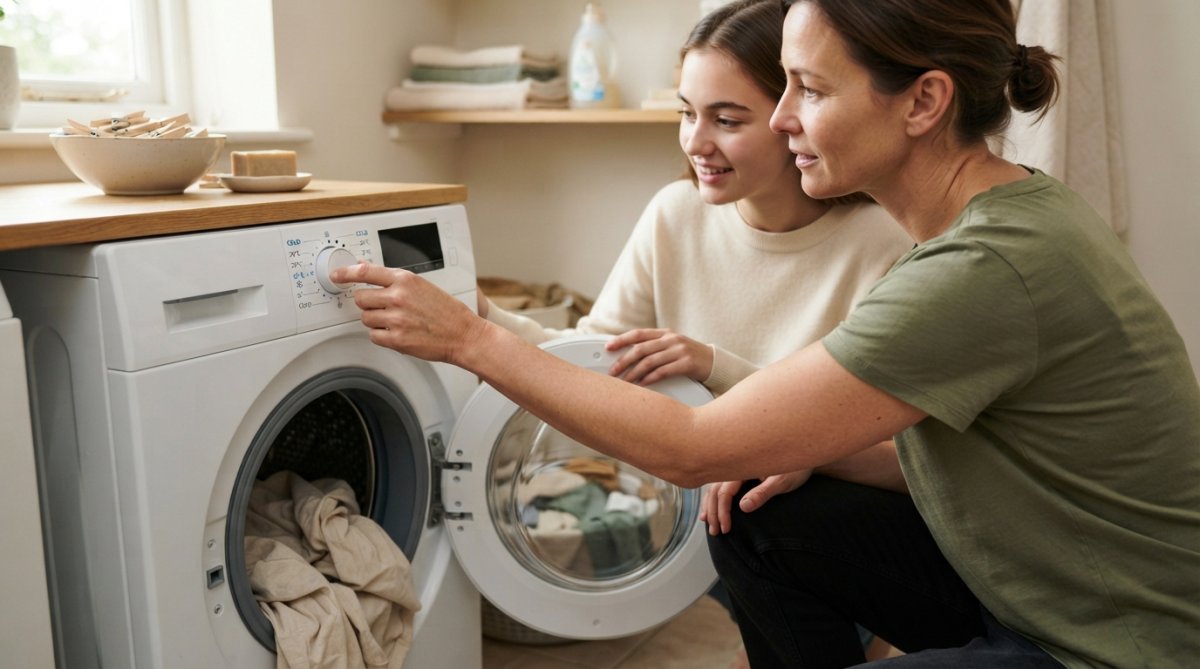
Machine Wash vs. Hand Wash Comparison
The choice between machine and hand washing depends on the garment's construction, fabric weight, and your comfort level.
Hand Washing (Best for delicate pieces) Hand washing offers maximum control and minimizes fiber stress. Fill a basin with cold water, add mild detergent, and submerge the garment. Gently agitate for 5-10 minutes, paying extra attention to areas that accumulate sweat or dirt. Rinse thoroughly with cold water until no soap residue remains. This method takes 15-20 minutes per garment and is ideal for expensive pieces or items with delicate construction, especially BALIVENO FASHION HOUSE LTD's premium unisex organic cotton t-shirts and baby bodysuits.
Machine Washing (Practical for everyday items) Machine washing saves time and works well for sturdy organic cotton pieces. Use the delicate or gentle cycle with cold water and place the garment inside a mesh laundry bag. Select the shortest wash cycle available, typically 20-30 minutes, with a low spin speed (under 800 RPM).
| Method | Best For | Time Required | Fabric Stress |
|---|---|---|---|
| Hand wash | Delicate pieces, fine details | 15-20 min | Minimal |
| Machine delicate cycle | Everyday wear, sturdy items | 5-10 min active | Low |
Best Detergent for Organic Cotton Garments
Why Mild and Bleach-Free Matter
The detergent you choose directly impacts how long your organic cotton clothes last. Harsh chemicals break down fibers, strip natural oils that keep cotton soft, and cause discoloration or yellowing over time.
Look for detergents labeled "delicate," "wool," "baby," or "sensitive skin." Many brands now offer plant-based or enzyme-based formulations specifically designed for natural fibers. Avoid detergents with optical brighteners, which create a whitening effect by depositing chemicals on fabric rather than actually cleaning it.
Use a small amount, about one-quarter to one-half the recommended dose, for lightly soiled garments. Excess detergent leaves residue in fibers, making them feel stiff and dull. Using the correct detergent amount reduces the need for multiple rinse cycles, which saves water and energy while protecting fabric integrity.
The Importance of Cold Water and Low Temperature
Water Hardness and Its Impact on Fabric
Cold water is non-negotiable for organic cotton care. Hot water opens the fiber structure, allowing dyes to leach out and causing shrinkage. Cold water, ideally below 68°F, closes the fiber structure, locking in color and preventing dimensional changes.
Water hardness significantly affects how well detergent works and how soft your garments feel after washing. Hard water contains dissolved minerals (calcium and magnesium) that interfere with detergent molecules, reducing cleaning effectiveness and leaving mineral deposits on fibers. If you live in a hard water area, consider using a water softening solution or add white vinegar (one-quarter cup per wash) to the final rinse cycle. Vinegar naturally softens water and removes detergent residue simultaneously.
Water Temperature Guidelines:
- Cold water (below 68°F): Ideal for all organic cotton, preserves color and prevents shrinkage
- Cool water (68-85°F): Acceptable for lightly soiled items, still protects fiber integrity
- Warm water (above 85°F): Avoid entirely; causes color fading and increases shrinkage risk
Each 10-degree increase in water temperature accelerates chemical reactions that degrade cellulose, the primary component of cotton. Cold water washing extends garment life by preventing this degradation.
How to Dry Organic Cotton Without Damage
Air Drying vs. Energy-Efficient Machine Methods
Drying method determines whether your organic cotton clothes maintain their shape, softness, and color. Machine drying, even on low heat, exposes fibers to temperatures that can cause shrinkage and damage. Air drying is the gold standard for preserving garment quality.
Air Drying (Recommended Method) Lay the garment flat on a clean, dry surface away from direct sunlight. Direct sun exposure causes fading and can yellow organic cotton over time. Flat drying takes 24-48 hours depending on humidity and air circulation. Garments dried this way emerge softer and maintain their shape better than machine-dried items.
Hang Drying (Secondary Option) If space is limited, hang garments on a clothesline or drying rack using padded hangers or clothespins placed at seams rather than the hem. Ensure good air circulation and keep items away from direct sunlight.
Machine Drying (Last Resort Only) If you must use a machine, use the absolute lowest heat setting and remove items while slightly damp. Never use regular or medium heat on organic cotton. Machine drying accounts for approximately 80% of the energy used in laundering, while air drying eliminates this energy consumption entirely while producing superior results.
Stain Removal for Organic Cotton Without Harsh Chemicals
Natural Alternatives: Baking Soda and Washing Soda
Harsh stain removers containing bleach or strong solvents damage organic cotton fibers and can create permanent discoloration. Natural alternatives are equally effective for most common stains while being gentler on fabric.
Baking Soda Treatment (for most stains) Create a paste with three parts baking soda and one part cold water. Apply directly to the stain and let it sit for 10-15 minutes. Rinse thoroughly with cold water and inspect the stain. Repeat if necessary. Baking soda works exceptionally well on sweat stains, light food stains, and odors.
Washing Soda Treatment (for stubborn stains) Mix one tablespoon of washing soda with two cups of cold water, soak the stained area for 30 minutes, then rinse thoroughly. Use washing soda sparingly, as it's more alkaline than baking soda and can damage delicate fibers if overused.
White Vinegar Treatment (for mineral deposits and yellowing) Mix equal parts white vinegar and cold water. Soak the garment for 30 minutes, then rinse thoroughly. Vinegar removes mineral deposits from hard water and restores brightness to yellowed organic cotton.
Enzyme-Based Treatments (for protein stains) Enzyme-based stain removers break down protein stains like blood, sweat, and grass without harsh chemicals. Apply the enzyme treatment, let it sit for 15-30 minutes, then rinse with cold water.
| Stain Type | Best Treatment | Application Time | Success Rate |
|---|---|---|---|
| Sweat/deodorant | Baking soda paste | 10-15 min | High |
| Grease/oil | Washing soda solution | 30 min soak | High |
| Grass/dirt | Enzyme-based remover | 15-30 min | High |
| Wine/juice | Vinegar solution | 30 min soak | Moderate-high |
| Blood | Cold water + enzyme | 15-30 min | High |
Does Organic Cotton Shrink? Prevention and Solutions
Organic cotton does shrink, but the amount depends entirely on how you wash and dry it. Most shrinkage occurs during the first wash if hot water or high heat is used.
Typical Shrinkage Rates:
- Cold water washing + air drying: 1-2% shrinkage (often imperceptible)
- Warm water washing + machine drying: 5-10% shrinkage (noticeable)
- Hot water washing + hot drying: 10-15% shrinkage (significant, may render garment unwearable)
The difference between a garment shrinking 1% versus 10% comes down to temperature control. This is why BALIVENO FASHION HOUSE LTD recommends cold water washing and air drying, not as suggestions, but as requirements for maintaining fit and longevity.
Prevention Strategy: Cold water is your primary defense against shrinkage. Cellulose fibers in organic cotton respond to heat by contracting. Cold water prevents this contraction entirely. Air drying eliminates the heat exposure that causes secondary shrinkage.
If Shrinkage Occurs: Gently stretch the damp garment to its original dimensions while it air dries. Lay it flat and use a measuring tape to ensure you're returning it to the correct size. For severely shrunken items, soak them in cool water with a small amount of hair conditioner for 30 minutes. Hair conditioner contains ingredients that relax fibers and increase pliability. Gently stretch the garment while damp and lay it flat to dry.
Proper care of organic cotton clothes transforms how long they last and how they feel against your skin. Cold water washing, mild detergent, air drying, and natural stain removal work together to preserve fabric integrity and color vibrancy. BALIVENO FASHION HOUSE LTD's organic cotton collection, including our unisex organic cotton t-shirts and baby bodysuits, is engineered to soften and improve with proper care over years of wear. Start with cold water, choose a gentle detergent, and air dry your pieces, and you'll experience the true longevity and comfort that premium organic cotton delivers.
Frequently Asked Questions
Does organic cotton shrink when washed?
Organic cotton can shrink if exposed to high heat or hot water. To minimize shrinkage, always wash organic cotton clothes in cold water using a gentle cycle. Air drying is the safest method to preserve fabric dimensions. Most quality organic cotton pieces are pre-shrunk during manufacturing, but following proper care instructions ensures your garments maintain their fit and longevity over time.
What is the best detergent for organic cotton?
Use mild, bleach-free detergents specifically formulated for delicate or natural fabrics. Look for products labeled as chemical-free or eco-friendly to protect fiber integrity and avoid detergent residue buildup. Gentle detergents work effectively on organic cotton without stripping the fabric or causing premature wear. Avoid heavy-duty or enzyme-based detergents that can damage the delicate fibers of organic cotton garments.
Can you machine wash organic cotton, or should you hand wash?
Both methods work for organic cotton. Machine washing on a delicate cycle with cold water is convenient and effective for most pieces. Hand washing offers extra protection for heavily embellished or vintage organic cotton items. The key is using cold water, low spin speeds, and mild detergent regardless of method. Machine washing is practical for everyday items like our Unisex Organic Cotton T-Shirts, while hand washing suits more delicate garments.
How do you remove stains from organic cotton without harsh chemicals?
Pre-treat stains by spot cleaning with a paste of baking soda and cold water, or use washing soda for tougher marks. Apply the paste gently to the stained area and let it sit for 15-30 minutes before washing. For protein-based stains, cold water is essential, hot water can set them permanently. Always test natural remedies on an inconspicuous area first to ensure they won't affect fabric color or texture.
This article was written using GrandRanker

EXPLORE THE BALIVENO EDIT
Continue the story
Discover a BALIVENO piece or collection related to the ideas in this article.
£35.94
Baliveno Drop Shoulder Cotton T-Shirt Explore all clothing

