

Table of Contents
- Assess Your Current Wardrobe and Set a Budget
- How to Build a Capsule Wardrobe Without Overspending
- Thrifting Tips for Beginners: Finding Quality Secondhand Pieces
- Choose Sustainable Materials That Last
- How to Care for Sustainable Clothing to Extend Lifespan
- Explore Swapping, Renting, and Community Events
- Avoid Greenwashing and Identify Truly Ethical Brands
- Conclusion
Last Updated: August 28, 2026
Assess Your Current Wardrobe and Set a Budget
Building a sustainable wardrobe doesn't require a complete overhaul or massive budget. Start by auditing your closet: pull out pieces you actually wear, that fit well, and make you feel confident. Be honest about what sits unworn. Most people discover they already have wearable basics that form the foundation of a sustainable wardrobe.
Next, set a realistic budget. Sustainable pieces cost more upfront but last significantly longer. Think in terms of cost-per-wear rather than price tag alone. A sweater costing more initially but lasting five years becomes affordable when calculated per wearing.
Start small and decide whether you're replacing your wardrobe over 12, 24, or more months. A gradual transition is more sustainable financially and practically, letting you learn what works for your body and lifestyle without overwhelming yourself.
How to Build a Capsule Wardrobe Without Overspending
A capsule wardrobe is a curated collection of versatile, timeless pieces that work together. Instead of owning many items, you own fewer pieces that combine in multiple ways. This approach aligns perfectly with sustainable fashion on a budget because you're investing in quality over quantity.
The goal is 30-50 pieces creating dozens of outfit combinations. Start with neutral base colors, black, white, gray, navy, beige, that work together. Add 2-3 accent colors reflecting your personal style. This limitation forces intentional choices and prevents scattered purchases.
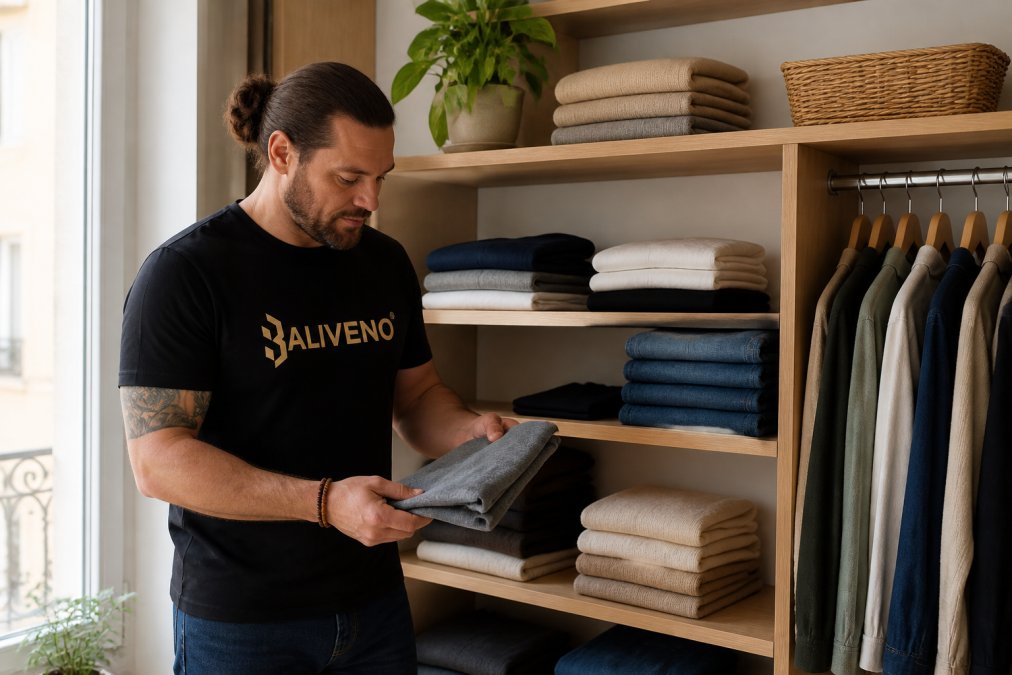
Focus on versatile pieces first. A well-fitting white t-shirt, neutral sweaters, dark jeans, and simple blazers form the backbone of a capsule wardrobe. These pieces work across seasons, pair with almost anything, and age gracefully. Brands like BALIVENO FASHION HOUSE LTD specialize in timeless basics in sustainable materials that transition across seasons without losing shape or appeal.
Build slowly, adding one or two pieces per month rather than buying everything at once. This paced approach gives you time to understand how new pieces fit into your existing wardrobe and prevents buyer's remorse.
Define Your Color Palette and Core Pieces
Your color palette is the DNA of your capsule wardrobe. Choose 3-5 colors maximum that you genuinely love wearing and that flatter your skin tone. Limiting your palette eliminates the mental burden of matching and ensures every piece works with most others.
Core pieces form the foundation:
- 2-3 neutral t-shirts (white, black, gray)
- 1-2 long-sleeve shirts or tops
- 1-2 sweaters or cardigans
- 2 pairs of well-fitting pants (jeans, trousers, or both)
- 1 simple jacket or blazer
- 1 neutral dress (optional but versatile)
Each core piece should be high-quality and made from durable materials. BALIVENO's organic cotton basics are smart investments, affordable, made from sustainable materials, and designed to last through countless washes.
Accent pieces add personality without complicating your wardrobe. Keep these minimal, 3-5 pieces total, so they still work with your core items.
Calculate Cost-Per-Wear to Justify Quality Investments
Cost-per-wear is the metric that makes sustainable fashion on a budget feel financially rational. Divide the price of an item by how many times you'll realistically wear it. A $80 hoodie worn 100 times costs $0.80 per wear. A $30 fast-fashion piece worn 5 times costs $6 per wear.
This reframing changes how you shop. Suddenly, investing in quality feels logical rather than extravagant. A piece that costs more but lasts years beats a cheaper piece that falls apart in months.
Calculate conservatively. If you're unsure how often you'll wear something, estimate lower. A basic sweater worn 2-3 times per week for 3-4 years equals roughly 300-400 wears, making a $60 sweater cost $0.15-$0.20 per wear.
This approach also prevents impulse purchases. When you calculate cost-per-wear, you're forced to ask: "Will I actually wear this regularly?" The answer is often no, which saves money and closet space.
Thrifting Tips for Beginners: Finding Quality Secondhand Pieces
Thrifting is one of the most budget-friendly ways to transition to sustainable fashion. Secondhand shopping extends the life of existing garments, keeps textiles out of landfills, and offers access to quality pieces at a fraction of retail prices. 👕
The key is knowing what to look for and where to look. With practice, you'll develop an eye for quality and value.
Where to Shop Secondhand
Physical thrift stores remain reliable sources for affordable pieces. Goodwill, Salvation Army, and independent thrift shops often have rotating inventory. You can inspect items immediately and try them on.
Online secondhand platforms offer convenience and wider selection. Depop, Poshmark, ThredUP, and Vestiaire Collective specialize in secondhand fashion. You can search specific brands, sizes, and styles without leaving home. Look for free shipping offers or buy multiple items from one seller to offset costs.
Facebook Marketplace and local buy-sell-trade groups connect you with sellers in your community. Prices are often negotiable, and you can inspect items before purchasing.
Consignment shops curate inventory more carefully than general thrift stores, meaning higher quality but also higher prices. Still, consignment pieces are typically cheaper than retail.
How to Spot Quality in Thrifted Clothing
Inspect seams carefully. Quality seams are straight, tight, and reinforced at stress points like underarms. Loose or crooked stitching indicates poor construction or wear.
Check fabric weight and feel. Natural fibers like cotton, linen, and wool feel substantial and age well. Synthetic materials often feel thin or plasticky. Quality pieces feel smooth and intact, not pilled or rough.
Look for pilling, stains, and damage. Small pilling can be removed with a fabric shaver, but extensive pilling suggests the garment won't hold up. Examine zippers and buttons, these fail first on low-quality pieces. Zippers should glide smoothly and buttons should be secure.
Try things on. Fit is everything. A perfectly constructed piece that doesn't fit your body isn't sustainable if it sits unworn.
Choose Sustainable Materials That Last
Material choice determines whether a piece lasts years or months. Understanding which fabrics offer the best longevity for the price is essential for sustainable fashion on a budget.
Natural Fibers vs. Synthetic Materials
Natural fibers like organic cotton, linen, hemp, and wool are biodegradable, breathable, and typically age beautifully. Cotton softens with washing. Linen becomes more supple. Wool provides natural temperature regulation.
The environmental advantage is significant. Natural fibers require no petroleum and break down within months to years (peer-reviewed research). Synthetic fibers like polyester and nylon take decades to decompose and shed microplastics during washing (peer-reviewed research).
However, natural fibers aren't automatically sustainable. Conventional cotton uses heavy pesticides. Organic cotton, certified by standards like GOTS (Global Organic Textile Standard), eliminates synthetic pesticides and uses less water (textileexchange.org).
Synthetic materials have advantages too. They're often cheaper, durable, and easier to care for. Recycled polyester reduces waste by using existing plastic.
The sweet spot for sustainable fashion on a budget is quality natural fibers or recycled synthetics. BALIVENO FASHION HOUSE LTD specializes in this balance, offering premium materials at accessible prices with designs meant to outlast cheaper alternatives.
Budget-Friendly Sustainable Fabric Guide
| Fabric | Cost | Durability | Best For | Care Notes |
|---|---|---|---|---|
| Organic cotton | Moderate | Excellent | T-shirts, basics | Softens with washing |
| Hemp | Moderate | Excellent | Sturdy pieces, blends | Durable, minimal shrinkage |
| Linen | Moderate | Excellent | Summer pieces | Wrinkles easily, ages beautifully |
| Recycled polyester | Low-Moderate | Good | Activewear, blends | Easy care, synthetic feel |
| Wool | Moderate-High | Excellent | Sweaters, outerwear | Requires gentle washing |
| Bamboo viscose | Low-Moderate | Fair | Soft pieces, linings | Less durable than cotton |
Prioritize organic cotton for basics. It's affordable, durable, and versatile. Hemp is underrated for sustainable fashion on a budget, it's extremely durable, requires minimal pesticides, and costs similarly to organic cotton. Linen offers similar advantages and creates beautifully textured pieces.
Avoid blends with excessive synthetic content unless the synthetic is recycled. A 50/50 cotton-polyester blend works fine for durability, but high virgin polyester content defeats the sustainability purpose.
How to Care for Sustainable Clothing to Extend Lifespan
Proper care is where sustainable fashion on a budget truly pays off. A well-maintained piece lasts years longer than one treated carelessly.
Sustainable Laundry Practices
Wash less frequently. Many garments don't need washing after every wear. Spot-clean stains, air out pieces, and wash only when truly soiled. This reduces wear on fibers and saves water and energy.
Use cold water and gentle cycles. Hot water breaks down fibers faster and requires more energy. Cold water cleans effectively for most loads and preserves color. Delicate cycles minimize agitation and stress on fibers.
Turn garments inside out before washing to protect the outer surface from friction and pilling. Use sustainable, plant-based detergents that clean effectively without environmental impact.
Dry carefully. Air dry whenever possible by hanging items or laying them flat. This extends lifespan dramatically and costs nothing. Avoid fabric softeners and dryer sheets, which coat fibers and reduce absorbency over time.
Repair and Mending Basics
Learning basic mending transforms your relationship with sustainable fashion on a budget. Small repairs prevent minor damage from becoming unwearable.
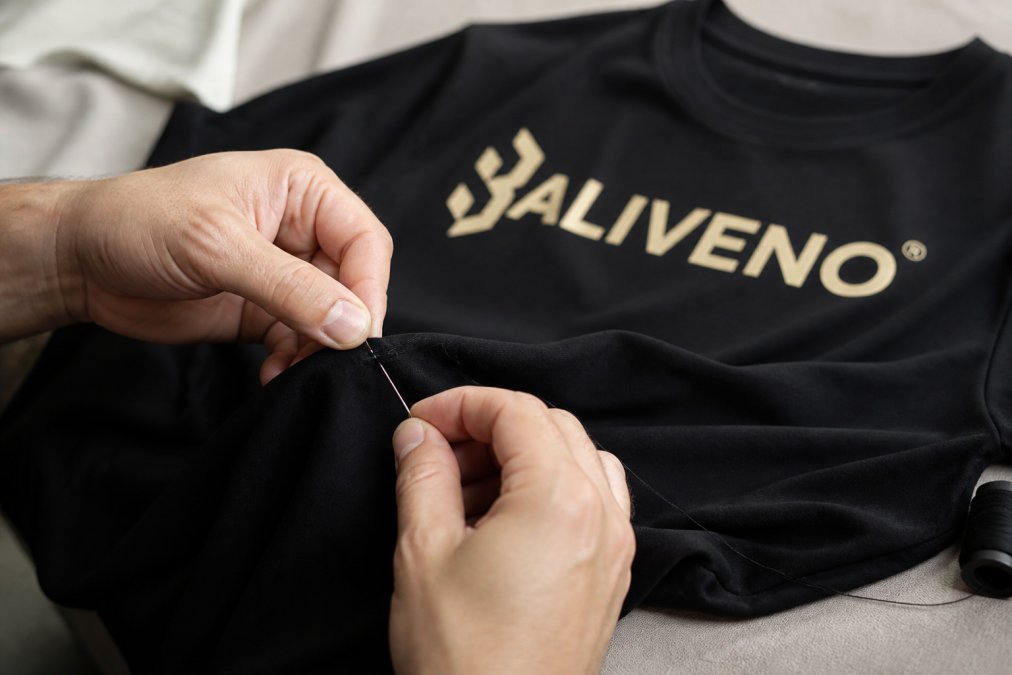
Hand-sewing a seam is the most common repair. A loose seam can be restretched in 10 minutes with needle and thread. Stitch along the existing seam line, reinforcing stressed areas.
Darning repairs holes in knit fabrics like sweaters. Weave the needle horizontally across the hole, then vertically, creating a grid that fills the gap. It's functional and extends the garment's life significantly.
Patching works for larger holes. Cut a patch from similar fabric slightly larger than the hole and sew it over the damage. This technique works especially well for jeans and canvas pieces.
Button replacement is straightforward and prevents losing a piece entirely. Zipper replacement is more complex but worthwhile for loved pieces, many tailors offer this service affordably.
Explore Swapping, Renting, and Community Events
Beyond buying and thrifting, swapping and renting expand your sustainable fashion on a budget options. These approaches extend wardrobe variety without purchase costs.
Clothing swaps are community events where people exchange pieces they no longer wear. Participants bring clean, unwanted items and leave with pieces others no longer need. It's free, social, and creates community around sustainable consumption.
Organize a swap with friends or join existing swaps through community groups and social media. Set simple rules: items should be clean and in good condition.
Renting makes sense for occasion wear. A dress you'll wear once is more practical to rent than buy. For sustainable fashion on a budget, renting special occasion items is practical and environmentally sound.
Clothing libraries are emerging in some communities as shared closets where members pay a subscription to borrow pieces. Buy-nothing groups and free cycles on Facebook and Nextdoor connect people looking to pass items along, keeping garments in circulation without money changing hands.
Avoid Greenwashing and Identify Truly Ethical Brands
Not every brand claiming sustainability is actually sustainable. Greenwashing, making misleading environmental claims, is rampant in fashion. Learning to identify genuinely ethical brands protects your budget and ensures your purchases align with your values.
Look for third-party certifications. GOTS (Global Organic Textile Standard) certifies organic fiber production. Fair Trade Certified ensures fair wages and safe conditions. B Corp Certification indicates the company meets rigorous sustainability and accountability standards. These certifications require external audits and aren't cheap for brands to obtain, suggesting genuine commitment.
Research supply chain transparency. Ethical brands publish information about where and how their clothes are made. They name factories and provide details about worker conditions. Vague statements like "ethically sourced" without specifics are red flags.
Check for concrete commitments. Brands should state specific goals with timelines. Vague aspirations without timelines suggest greenwashing.
Examine price points realistically. Truly sustainable production costs more. A brand offering premium basics at suspiciously low prices likely cuts corners somewhere.
Read customer reviews and independent assessments. Real users report on durability and quality. Websites like Good On You rate fashion brands on labor practices, environmental impact, and animal welfare.
BALIVENO FASHION HOUSE LTD's approach reflects genuine commitment to sustainability. Their organic cotton pieces, focus on durability, and unisex designs that extend garment life through versatility demonstrate a philosophy aligned with sustainable fashion on a budget principles.
Transitioning to sustainable fashion on a budget is achievable through intentional choices, smart shopping, and proper care. Start by assessing what you own, building a capsule wardrobe of quality basics, and exploring secondhand options. Choose durable natural fibers, learn basic mending, and participate in community swaps. When you purchase new pieces, invest in brands demonstrating genuine sustainability commitment. The result is a wardrobe that costs less, lasts longer, and reflects your values. BALIVENO FASHION HOUSE LTD's curated collection of premium, sustainable basics makes this transition accessible without compromise on quality or style. Start small, stay intentional, and build the wardrobe you'll actually wear for years to come.
Frequently Asked Questions
Is it cheaper to buy sustainable clothing in the long run?
Yes. Sustainable fashion on a budget works because quality pieces last longer, reducing replacement costs over time. A $45 sweatshirt worn 100 times costs $0.45 per wear, while a $15 fast-fashion piece worn 10 times costs $1.50 per wear. Natural fibers like organic cotton resist pilling and maintain shape through multiple washes, meaning fewer replacements needed. The upfront cost is higher, but the total cost of ownership drops significantly when you factor in durability and longevity.
How do I identify greenwashing when shopping for sustainable fashion?
Greenwashing hides behind vague terms like 'eco-friendly' or 'natural' without specifics. Look for certifications (GOTS for organic cotton, Fair Trade, OEKO-TEX), transparent supply chain information, and detailed material breakdowns. Avoid brands that use sustainability language but offer no proof. Check if they disclose manufacturing locations and labor practices. Real sustainable brands explain their production process, material sourcing, and environmental impact, not just claim to be 'green.'
What's the best way to start a sustainable wardrobe with limited money?
Begin with thrifting and secondhand shopping to build your base pieces affordably. Audit what you already own and identify gaps. Invest in 3-5 high-quality basics in neutral colors (organic cotton t-shirts, versatile sweaters) that mix and match. Calculate cost-per-wear to justify investing in pieces you'll actually wear repeatedly. Use clothing swaps with friends for variety without spending. Prioritize natural fibers and timeless designs over trends, so pieces stay relevant longer and require less frequent replacement.
What are the 7 Rs of sustainable fashion?
The 7 Rs guide conscious consumption: Refuse (say no to impulse buys), Reduce (buy less overall), Reuse (wear what you own longer), Repair (mend instead of discard), Repurpose (upcycle old pieces), Recycle (donate or recycle worn items), and Rethink (question your consumption habits). Applying these reduces textile waste, lowers your carbon footprint, and makes sustainable fashion on a budget achievable. Start with the ones easiest for your lifestyle, repair and reuse often deliver immediate savings.
This article was written using GrandRanker


