

Table of Contents
- How to Identify Ethical Fashion Brands
- Benefits of Sustainable Clothing for Your Wardrobe
- Top 5 Ethical Clothing Brands for Everyday Wear
- Building a Sustainable Capsule Wardrobe
- Size Inclusivity and Accessibility in Ethical Fashion
- Comparing Price and Value: What You're Actually Paying For
- Conclusion
Last Updated: August 22, 2026
How to Identify Ethical Fashion Brands
Choosing ethical clothing brands starts with understanding what makes a brand genuinely sustainable. The difference between authentic commitment and marketing greenwashing comes down to transparency, third-party verification, and concrete practices you can trace.
Supply Chain Transparency and Labor Practices
Supply chain transparency is the foundation of ethical fashion. A brand that truly cares openly shares where and how its clothes are made, who makes them, and under what conditions. Look for brands that publish detailed information about their factories, worker wages, and labor conditions rather than hiding this behind corporate jargon.
Fair trade certification ensures garment workers earn living wages and work in safe conditions. According to the Fair Trade USA standards for apparel, certified producers must meet strict requirements around worker compensation, working hours, and workplace safety. The best ethical brands conduct regular audits of their supply chain and make results publicly available.
Material Sourcing and Environmental Impact
The materials a brand chooses directly impact its environmental footprint. Organic cotton, recycled fibers, and low-impact dyes reduce water consumption, chemical pollution, and textile waste. Look for third-party certifications like GOTS (Global Organic Textile Standard) or OEKO-TEX, which verify that materials meet rigorous environmental and safety standards (peer-reviewed research). These independent certifications carry far more weight than unverified brand claims.
Third-Party Certifications and Audits
Third-party certifications provide independent verification that a brand's claims are real. Common certifications worth recognizing include Fair Trade Certified, GOTS (organic cotton), OEKO-TEX (chemical safety), and B Corp certification. A brand displaying multiple certifications typically invests seriously in ethical practices across multiple dimensions. Conversely, a brand making big sustainability claims but lacking any third-party verification should raise questions.
Benefits of Sustainable Clothing for Your Wardrobe
Ethical clothing brands offer tangible benefits that extend far beyond feeling good about your purchase. These pieces perform better, last longer, and deliver better value than fast fashion alternatives.
Durability and Cost-Per-Wear Analysis
A well-made organic cotton t-shirt from an ethical brand might cost more upfront than a mass-produced alternative, but the cost-per-wear calculation tells a different story. When a piece lasts three times longer, you're actually spending less money per wear. Sustainable clothing resists pilling, fading, and shape loss because manufacturers use higher quality fabrics and construction methods.
Health, Comfort, and Quality Materials
Ethical clothing brands prioritize natural, chemical-free materials that feel better against your skin and pose fewer health risks. Organic cotton grows without synthetic pesticides and is processed without harsh chemical treatments that can cause skin irritation (usda.gov). High-quality organic fibers breathe better, regulate temperature more effectively, and maintain softness through countless washes.
Top 5 Ethical Clothing Brands for Everyday Wear
1. Baliveno: Premium Sustainable Essentials
Baliveno stands out as a choice for professionals seeking premium ethical clothing that balances sustainability with refined style. The brand offers a curated collection of sustainable, unisex luxury comfort clothing designed for a refined lifestyle.
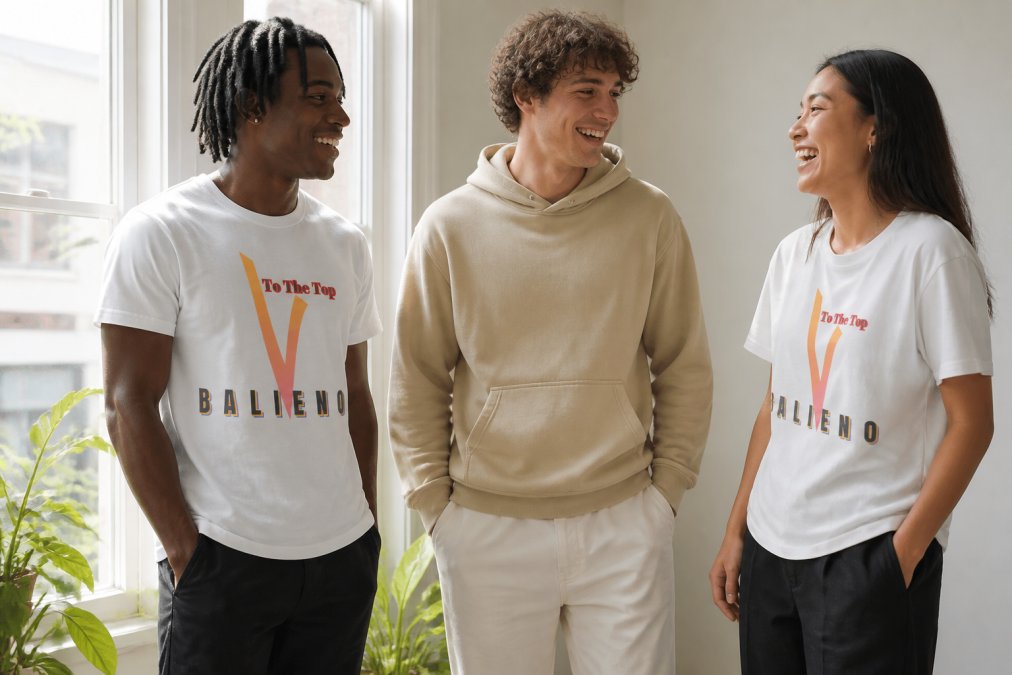
What makes Baliveno exceptional is the commitment to certified organic materials and transparent manufacturing. The Baliveno Organic Cotton T-Shirt features certified organic cotton. The t-shirt comes in versatile colorways and an inclusive size range from XS to XXXXXL, ensuring accessibility across body types.

Baliveno's approach to unisex design works in practice. Rather than forcing one cut to fit everyone awkwardly, the brand designs pieces with enough ease and proportion that they genuinely flatter different body shapes. The Men's Premium Sweatshirt demonstrates durability through double-needle stitching and side-seamed construction that prevents seams from splitting and fabric from pilling. For families, the brand's kids' eco hoodies deliver the same quality standards in smaller sizes.
2. Pact: Organic Cotton and Fair Trade Focus
Pact specializes in organic cotton essentials with transparent fair trade practices. Every piece is made from certified organic cotton and produced in fair trade certified facilities, meaning workers earn living wages and work in safe conditions. Pact publishes detailed information about its factories, worker compensation, and production practices.
Pact's pricing sits in the mid-range, higher than fast fashion but more accessible than luxury sustainable brands. This makes Pact an excellent entry point for people new to ethical fashion.
3. Everlane: Transparent Pricing and Ethical Factories
Everlane pioneered radical transparency by publishing the actual cost breakdown of every piece: materials, labor, transport, and markup. This allows you to see exactly what you're paying for and understand the value proposition. The brand's factory partnership model emphasizes ethical manufacturing and maintains long-term relationships with manufacturers rather than constantly switching to chase lower costs.
Everlane's strength lies in everyday essentials at reasonable prices, delivering quality comparable to premium brands at lower price points.
4. Reformation: Sustainable Materials and Circular Design
Reformation focuses on sustainable materials and circular economy principles, using recycled fibers, deadstock fabrics, and low-impact materials while designing pieces for longevity rather than trend cycles. The brand's circular design philosophy means pieces can be repaired, altered, and worn across multiple seasons and styles, reducing the need to constantly buy new clothes.
Reformation's style range is broader than many ethical brands, offering everything from basics to fashion-forward pieces.
5. Patagonia: Environmental Commitment and Repair Culture
Patagonia represents the gold standard for environmental commitment in fashion. The brand invests heavily in environmental advocacy, donates significant profits to conservation organizations, and designs products built for repair and long-term use. Patagonia's repair culture fundamentally changes how you relate to your clothes, offering repair services and encouraging customers to fix worn pieces rather than replace them.
The brand's material innovation is substantial, and it shares research with competitors to raise industry standards.
Building a Sustainable Capsule Wardrobe
A capsule wardrobe built from ethical brands maximizes outfit combinations while minimizing the number of pieces you own. This approach reduces consumption, saves money, and makes getting dressed simpler.
Start with Timeless Basics from Ethical Brands
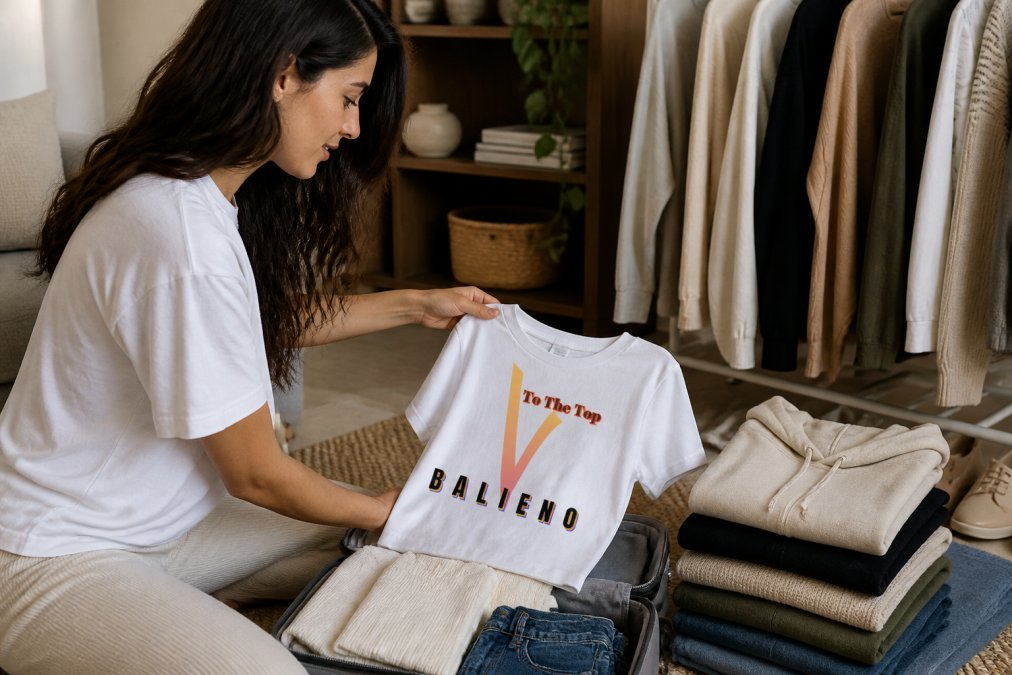
The foundation of any capsule wardrobe is neutral, timeless basics in quality materials. Start with 3-5 well-fitting t-shirts in colors like white, gray, black, and one neutral like oat or sand. Add 2-3 layering pieces: a lightweight sweater, a quality hoodie, and a simple long-sleeve shirt. The Baliveno Stylish Hoodie or Baliveno Men's Premium Sweatshirt serve this purpose perfectly, offering versatility across casual and slightly dressier occasions.
Include 2-3 pairs of neutral pants in durable fabrics. Every piece should work with multiple other pieces in your wardrobe. A white t-shirt pairs with everything. A navy sweater layers over multiple shirts. This multiplier effect means fewer pieces create more outfits.
Mix and Match Across Seasons and Occasions
Capsule wardrobes work across seasons through strategic layering rather than completely different seasonal wardrobes. A lightweight organic cotton t-shirt works in summer alone and under sweaters in winter. Build flexibility by choosing pieces that work in multiple contexts. Accessories extend outfit variety without requiring many clothing pieces. A simple scarf, belt, or jewelry changes the mood of the same basic pieces.
Repair, Care, and Extend the Life of Your Pieces
Proper care directly extends garment life and maximizes your investment in ethical clothing. Wash in cool water, hang dry rather than machine drying, and avoid harsh detergents that degrade fibers. Learn basic repair skills for common issues like loose seams, small holes, and missing buttons. Rotate pieces to distribute wear evenly, extending the lifespan of each one.
Size Inclusivity and Accessibility in Ethical Fashion
Size inclusivity in ethical fashion remains an area where many brands fall short, but the best options recognize that ethical clothing should be accessible to all body types.
Baliveno demonstrates genuine commitment to inclusivity by offering sizes from XS to XXXXXL across its core pieces. The Baliveno Organic Cotton T-Shirt comes in this full range, and the sizing guide provides measurements so you can verify fit before ordering. Inclusive sizing doesn't mean simply scaling one pattern up and down. Quality brands adjust proportions and construction across sizes so pieces fit well on different body shapes.
Comparing Price and Value: What You're Actually Paying For
The price difference between ethical brands and fast fashion confuses many consumers. Understanding what you're actually paying for transforms ethical fashion from seeming expensive to representing genuine value.
When you buy from an ethical brand versus fast fashion, you're paying for certified organic cotton grown without synthetic pesticides, production in facilities with fair labor practices verified through audits, and construction quality that will last significantly longer. Fast fashion's low prices hide the true costs: garment workers earn poverty wages and environmental costs include massive water consumption, chemical pollution, and textile waste.
Ethical brands build these costs into their pricing because they're investing in actual practices that create those costs. When you compare cost-per-wear across the lifespan of garments, ethical brands frequently cost less than cheap alternatives.
Conclusion
Identifying and choosing ethical clothing brands for everyday wear requires understanding supply chain transparency, material sourcing, certifications, and durability. The brands highlighted, Baliveno, Pact, Everlane, Reformation, and Patagonia, each represent different approaches to ethical fashion, from premium sustainability to transparent pricing to environmental advocacy.
Baliveno emerges as a choice for those seeking premium ethical clothing that doesn't compromise on style or accessibility. The brand's certified organic materials, transparent labor practices, and inclusive sizing from XS to XXXXXL make it a comprehensive option for building a sustainable wardrobe. Start with the Baliveno Organic Cotton T-Shirt or Men's Premium Sweatshirt as foundational pieces, then expand with the kids' eco hoodies if you're building wardrobes for your family.

The key to making ethical fashion work financially is adopting a capsule wardrobe approach: fewer, higher-quality pieces that last years rather than seasons. This strategy reduces consumption, saves money through superior durability, and makes getting dressed simpler. When you factor cost-per-wear across the actual lifespan of garments, ethical brands deliver better value than fast fashion alternatives while supporting fair labor practices and environmental responsibility.
| Brand | Material Focus | Price Range | Best For | Key Differentiator |
|---|---|---|---|---|
| Baliveno | Certified organic cotton, recycled blends | Premium | Professionals seeking quality and inclusivity | Extended sizing XS-XXXXXL, transparent practices |
| Pact | Certified organic cotton | Mid-range | Budget-conscious ethical shoppers | Fair trade certified, transparent practices |
| Everlane | Mixed sustainable materials | Mid-range | Consumers valuing pricing transparency | Complete cost breakdown for every piece |
| Reformation | Recycled fibers, deadstock | Premium | Style-conscious sustainable shoppers | Circular design, repair focus |
| Patagonia | Sustainable innovations | Premium | Environmental advocates | Repair culture, conservation commitment |
Frequently Asked Questions
Q: What certifications should I look for when buying ethical clothing brands?
A: Look for third-party certifications like Fair Trade Certified, Global Organic Textile Standard (GOTS), and B Corp certification. These independent verifications confirm that ethical clothing brands meet specific labor, environmental, and transparency standards. Supply chain audits from recognized bodies add credibility. Brands like Baliveno that disclose their factory locations and manufacturing practices provide additional transparency beyond basic certifications.
Q: How can I tell if a clothing brand is truly sustainable?
A: Evaluate sustainable clothing by examining material sourcing (organic cotton, recycled fibers, hemp, Tencel), manufacturing transparency, and labor practices. Check if the brand publishes sustainability reports, discloses factory locations, and uses renewable energy. Real sustainability includes waste reduction, fair wages, and environmental audits. Be skeptical of vague claims; genuine ethical fashion brands provide specific details about their supply chain and environmental impact.
Q: Are ethical clothing brands more expensive than fast fashion?
A: Ethical clothing brands typically cost more upfront, but cost-per-wear analysis often favors them. A $45 sweatshirt worn 100 times costs $0.45 per wear; a $20 fast-fashion piece worn 10 times costs $2 per wear. Sustainable clothing lasts longer, resists pilling, and maintains shape through proper care. When you factor in durability, environmental impact, and fair labor practices, ethical brands offer better long-term value.
Q: How does building a sustainable capsule wardrobe save money and reduce waste?
A: A sustainable capsule wardrobe focuses on versatile, high-quality basics that mix and match across seasons. By buying fewer, better pieces from ethical clothing brands, you reduce impulse purchases and textile waste. Quality materials and construction mean pieces last years instead of months. This approach minimizes closet clutter, simplifies decision-making, and reduces the environmental impact of constant consumption while ultimately spending less on clothing.
This article was written using GrandRanker
EXPLORE THE BALIVENO EDIT
Continue the story
Discover a BALIVENO piece or collection related to the ideas in this article.
BALIVENO Sustainability & Our Impact Explore BALIVENO clothing

