

Table of Contents
- Start With a Wardrobe Audit
- How to Declutter Your Closet Intentionally
- Define Your Personal Style and Color Palette
- Build Your Capsule Wardrobe Checklist
- Invest in Quality Fabrics and Sustainable Clothing Brands
- Master Slow Fashion Principles for Long-Term Wear
- Create Outfit Formulas That Work
- Conclusion
Last Updated: August 23, 2026
Start With a Wardrobe Audit
Building a sustainable minimalist wardrobe begins with honest inventory. Before buying anything new, understand what you already own and why it's not working. This foundational step separates successful wardrobe transformations from impulsive reorganizations that fail within months.
A wardrobe audit reveals patterns: the colors you gravitate toward, the silhouettes that flatter you, the fabrics that feel good on your skin. Most people skip this step and jump straight to shopping, which is precisely why their minimalist efforts collapse.
Start by removing everything from your closet and laying items on your bed or across a clean surface. The visual impact of seeing your entire wardrobe in one place is humbling and clarifying. You'll notice duplicates you forgot existed and recognize that you actually own five black blazers when one quality option would serve you better.
Create three piles: keep, donate, and discard. The keep pile should contain pieces you've worn in the past three months and items you genuinely love. Be ruthless with the middle category, if you haven't reached for it, you won't start now. Sentimental attachment is the enemy of a functional wardrobe.
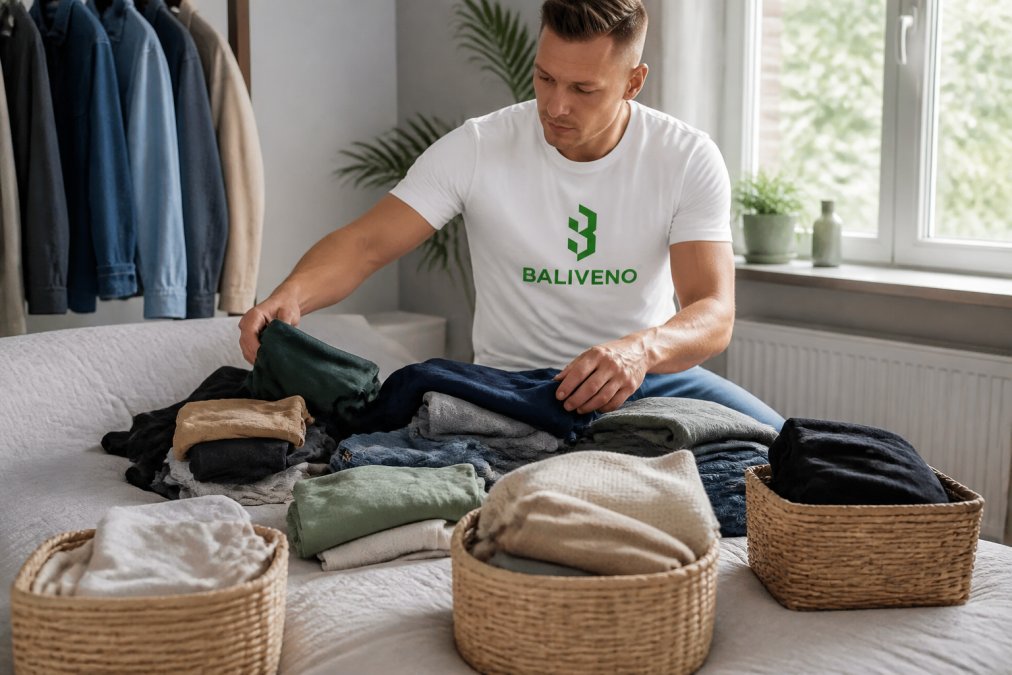
Document what you keep by writing down colors, fabrics, and styles. This inventory becomes your reference point for all future purchases and prevents the mistake of buying duplicates.
How to Declutter Your Closet Intentionally
Decluttering means removing what doesn't serve you, not simply organizing what you have. For a sustainable minimalist wardrobe, intentional decluttering is non-negotiable because every piece you remove is one fewer item to care for and eventually discard.
The common mistake is keeping pieces "just in case", the blazer for a future job interview, jeans in a smaller size, the dress from a wedding years ago. These items occupy mental and physical space while delivering zero value.
Instead, use this framework: Does this piece serve your current life? Can you style it with at least three other items in your keep pile? Does it fit well and feel comfortable? Is it in good condition? If you answer no to any question, it goes.
Donate pieces in good condition to textile organizations and secondhand retailers, extending their life and keeping them out of landfills. Items that are stained, torn beyond repair, or excessively worn should be discarded responsibly through textile recycling programs or composting if they're 100% natural fiber.
The psychological shift happens when you stop viewing decluttering as loss and start seeing it as clarity. Each item you remove makes the remaining pieces more visible and more wearable.
Define Your Personal Style and Color Palette
Without a clear personal style, you'll have a closet full of clothes but nothing to wear because nothing coordinates. Personal style is not about trends, it's about understanding the aesthetic that makes you feel confident and comfortable.
Spend a week noticing what you reach for. Which pieces make you feel good? What colors appear most in your keep pile? Do you prefer natural fabrics or blends? Your natural preferences are already visible in the clothes you actually wear.
Create a mood board of styles and outfits that resonate with you. Look for patterns in what you're drawn to, minimalist silhouettes in earth tones, or classic pieces with subtle modern details. These patterns become your style guide.
Your color palette is equally important. A strategic color palette means every top can pair with every bottom. Most sustainable minimalist wardrobes revolve around a foundation of neutrals, black, white, gray, beige, navy, with two to three accent colors that reflect your personality. This constraint simplifies shopping decisions and maximizes outfit combinations.
Build Your Capsule Wardrobe Checklist
A capsule wardrobe is a curated collection of essential pieces that work together to create numerous outfits. The traditional capsule contains 30-40 items, though sustainable minimalist approaches often aim for fewer. The goal is to own pieces you love that serve multiple purposes and seasons.
Your capsule wardrobe checklist should be personalized based on your lifestyle, climate, and personal style, but certain categories form the foundation of almost every functional capsule.
Staple Pieces Every Minimalist Needs
Staple pieces are the neutral foundation that everything else builds on. These are items in your core colors that work across seasons and occasions.
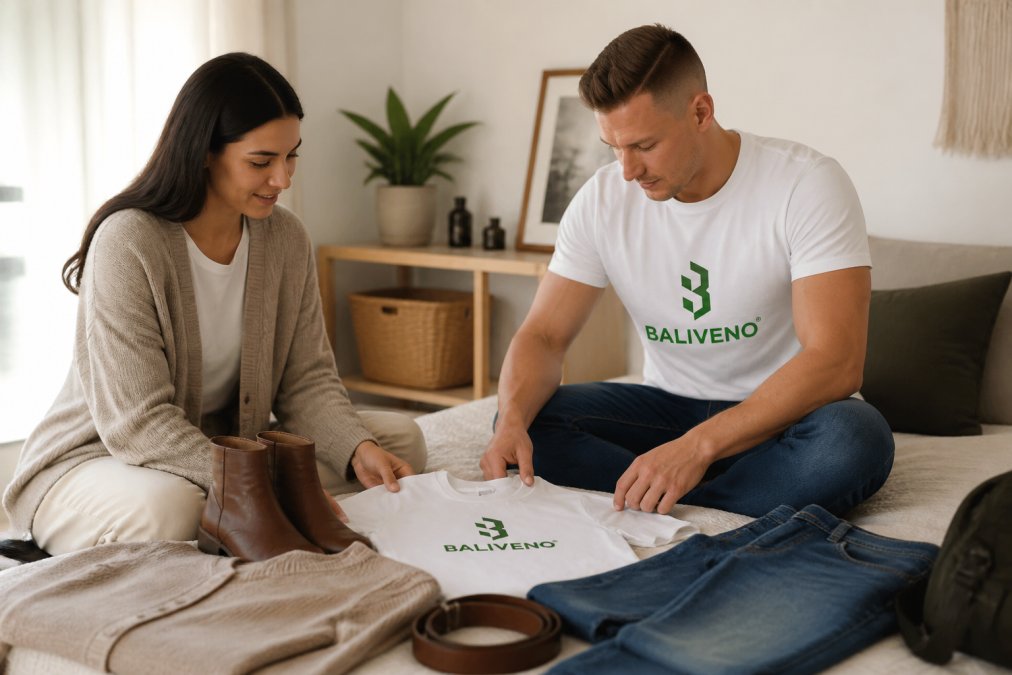
Start with basic tops: a white t-shirt, a neutral sweater, and a long-sleeve base layer. Look for quality construction and natural fibers when possible. A well-made organic cotton t-shirt costs more upfront but outlasts cheaper alternatives and feels better against your skin.

Bottoms are equally crucial. Most minimalist wardrobes include one or two pairs of jeans, neutral trousers, and perhaps a simple skirt. Choose cuts that flatter your body and work with your lifestyle.
A neutral blazer or structured jacket serves as a bridge piece, elevating casual outfits and adding polish to professional looks. Layering pieces like lightweight cardigans and fitted sweaters extend the life of your wardrobe across seasons.
Layering for Versatility
Layering extends your wardrobe across seasons without buying separate collections. A single outfit can transform from summer-appropriate to winter-ready simply by adding layers.
Base layers are fitted, neutral pieces worn closest to your skin. Long-sleeve fitted tees, thermal base layers, and fitted sweaters serve this purpose. Mid-layers like cardigans, lightweight sweaters, and structured shirts add warmth and visual interest without bulk. Outer layers like blazers, jackets, and coats define your silhouette and add polish.
Choose layers that coordinate with your color palette so they work together regardless of how you combine them. A gray sweater, white tee, and navy blazer create multiple outfit combinations because they all coordinate with each other and with your bottoms.
Invest in Quality Fabrics and Sustainable Clothing Brands
The difference between a wardrobe that lasts and one that falls apart is fabric quality. Cheap synthetics pill, stretch out, and fade after a few washes. Natural fibers and quality blends maintain their structure, color, and feel over time.
Natural fibers like organic cotton, linen, wool, and silk are durable, breathable, and biodegradable (peer-reviewed research). They age beautifully and can be composted at end of life. When evaluating fabric quality, check fiber content on labels and look for pieces that are 100% natural fiber or high-quality blends with at least 70% natural content.
Sustainable clothing brands prioritize ethical manufacturing, quality materials, and longevity. BALIVENO FASHION HOUSE LTD exemplifies this approach with premium, sustainable pieces designed for a refined lifestyle. Research brand practices before buying, looking for transparency about manufacturing locations, labor practices, and material sourcing. Certifications like Fair Trade, GOTS (Global Organic Textile Standard), and B Corp indicate verified ethical practices.
Quality investment means fewer pieces that last longer. One excellent sweater worn for five years is more sustainable than five cheap sweaters worn one year each.
Master Slow Fashion Principles for Long-Term Wear
Slow fashion emphasizes intention, quality, and longevity. Instead of chasing trends and buying constantly, it values pieces worn repeatedly over pieces worn once and forgotten.
Buy less, choose well, and make it last. When you commit to owning fewer pieces, each purchase becomes significant. You're more likely to research quality, consider longevity, and choose pieces that genuinely align with your style.
Wear pieces repeatedly without shame. The same outfit worn three times in a month is evidence that the piece works for your life. Many sustainable fashion advocates wear their favorite pieces dozens of times per year, delivering an excellent cost-per-wear ratio.
Repair, Care, and Maintenance
A piece you repair is a piece you keep wearing. Learn basic repairs like sewing on buttons and fixing small seams to prevent minor damage from becoming reasons to discard pieces.
Pilling is common with natural fibers (peer-reviewed research). A fabric shaver removes pills without damaging the underlying fabric, restoring the piece's appearance. Care practices prevent damage and extend life: wash less frequently, spot clean small stains, use gentle detergents, wash in cold water, and air dry whenever possible (the FTC). Store pieces properly by folding knits rather than hanging them and keeping them in a cool, dry place away from direct sunlight.
Cost Per Wear and Budget Strategy
Cost per wear is calculated by dividing the price of a piece by the number of times you wear it. A $100 sweater worn 100 times costs $1 per wear. A $20 shirt worn twice costs $10 per wear. This framework justifies investing in quality pieces that you wear consistently.
Set a realistic clothing budget based on your finances. Rather than buying many cheap pieces, allocate that budget toward fewer high-quality items. Track your spending and purchases to prevent unconscious buying and identify what actually works for your life.
Prioritize quality in categories you wear most. If you work in professional environments, invest in quality blazers and trousers. If you're primarily casual, quality jeans and sweaters deserve the budget.
Create Outfit Formulas That Work
An outfit formula is a template for combining pieces in ways that consistently work. Instead of staring at your closet each morning, formulas provide structure and reveal whether your capsule contains the pieces you need.
Document three to five outfit combinations that you love, writing down exactly which pieces you're combining. These formulas become your reference when shopping. Any new piece should work with at least two existing formulas.
The most reliable formulas combine neutral bottoms with varied tops. A pair of jeans works with your white tee, your sweater, your blazer, and your cardigan. Seasonal formulas account for temperature changes without requiring separate wardrobes. Accessory formulas complete outfits efficiently, simple jewelry, scarves, and belts transform basic combinations without requiring new clothing pieces.

Document these formulas visually or in writing. When you're tired or rushed, formulas eliminate decision paralysis and guide future purchases by showing exactly what gaps exist in your capsule.
Building a sustainable minimalist wardrobe requires patience and intentionality, but the payoff is substantial. You'll spend less money, have less decision fatigue, and feel more confident in what you wear. The pieces you invest in are designed to last, providing the durability and quality that make a minimalist approach actually work. Start with an honest audit, define your style, build your capsule thoughtfully, and commit to slow fashion principles. Your wardrobe will become a genuine reflection of who you are, not a closet full of compromises.
Frequently Asked Questions
What fabrics are most sustainable for a minimalist wardrobe?
Organic cotton, linen, hemp, and recycled polyester are top choices. Organic cotton is grown without synthetic pesticides, making it gentler on the environment. Linen and hemp require less water than conventional cotton. Recycled polyester diverts waste from landfills. Look for certifications like GOTS (Global Organic Textile Standard) or OEKO-TEX to verify sustainability claims. Quality natural fibers last longer, reducing the need for frequent replacement.
How do you start a sustainable wardrobe on a budget?
Begin by auditing what you own and identifying gaps. Invest in a few high-quality basics first, an organic cotton t-shirt or recycled hoodie, then build slowly. Thrifting and second-hand shopping extend your budget significantly. Focus on cost per wear: a $50 piece worn 100 times costs 50 cents per wear, while a $20 fast-fashion item worn twice costs $10 per wear. Prioritize versatile, neutral pieces that mix and match easily. Set a monthly clothing budget and stick to it.
What is a capsule wardrobe checklist for minimalists?
A capsule wardrobe typically contains 30-50 pieces that work together. Essentials include: neutral base layers (t-shirts, long sleeves), bottoms (jeans, trousers), outer layers (cardigan, blazer), and shoes (neutral sneakers, flats). Add 3-5 colors that complement your skin tone. Include accessories like a tote or backpack. The goal is outfit formulas where most pieces combine with at least three others. Quality matters more than quantity, fewer items in natural fibers beat many synthetic pieces.
How do slow fashion principles help build a sustainable minimalist wardrobe?
Slow fashion emphasizes intentional purchases, quality over quantity, and garment longevity. It opposes fast fashion's cycle of constant consumption. Slow fashion means researching brands, understanding their supply chain, choosing pieces you'll wear for years, and caring for them properly. It encourages repair and tailoring instead of discarding. By adopting slow fashion, you reduce textile waste, support ethical manufacturing, and build a wardrobe aligned with your values. This approach naturally leads to minimalism and conscious consumerism.
This article was written using GrandRanker
EXPLORE THE BALIVENO EDIT
Continue the story
Discover a BALIVENO piece or collection related to the ideas in this article.
BALIVENO Sustainability & Our Impact Explore BALIVENO clothing

