

Table of Contents
- Why Do Luxury Basics Cost More: Breaking Down the Economics
- Premium Materials and Craftsmanship
- Ethical Manufacturing and Labor Standards
- Brand Equity and Perceived Value
- Is Expensive Clothing Worth the Cost?
- Cost Per Wear Calculation: A Practical Framework
- Benefits of Sustainable Luxury Fashion
- Conclusion
Last Updated: August 24, 2026
Why Do Luxury Basics Cost More: Breaking Down the Economics
Why do luxury basics cost more than their mass-market counterparts? A simple white t-shirt from a fast-fashion retailer might cost $15, while a luxury basics brand charges $50 for something that looks nearly identical. The difference isn't just marketing hype or brand prestige, it's rooted in tangible economics that affect everything from materials to labor to how long the piece actually lasts.
At BALIVENO FASHION HOUSE LTD, we've spent years understanding what separates a truly premium basic from disposable clothing. The answer involves layers of decision-making that happen long before a garment reaches a hanger. From the sourcing of raw materials to the construction methods that ensure durability, luxury basics represent a fundamentally different approach to clothing production.
Understanding why luxury basics cost more isn't just about justifying price tags. It's about recognizing that the cheapest option and the best value are rarely the same thing. This guide breaks down the real economics behind premium basics, so you can make informed decisions about where your clothing budget actually goes.
Premium Materials and Craftsmanship
The foundation of any luxury basic is the material itself. Premium fabrics aren't just softer or more pleasant to touch, they're engineered for longevity and performance in ways that budget alternatives simply aren't.
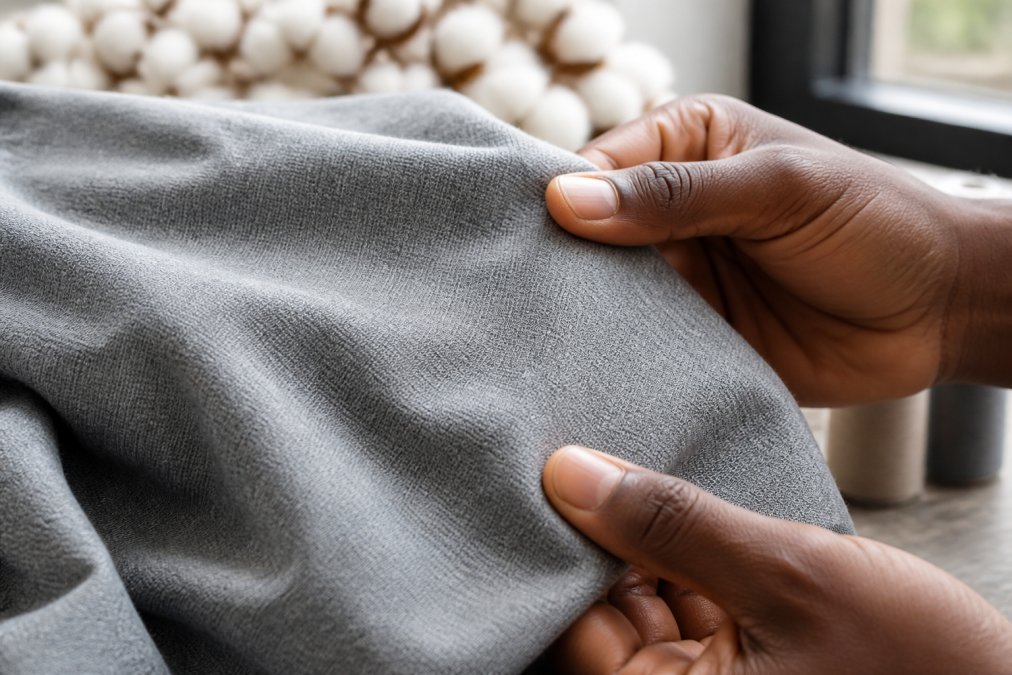
Consider the difference between a standard cotton t-shirt and one made from premium organic cotton. Standard cotton often undergoes heavy chemical processing to reduce costs and speed up production. The fibers are shorter, the weave is looser, and the fabric begins pilling and losing shape after just a few washes. Premium organic cotton, by contrast, uses longer-staple fibers that create a denser, more durable weave (peer-reviewed research). These fibers maintain their integrity through repeated washing and wearing.
The sourcing process itself adds cost. Luxury brands source from suppliers who maintain specific quality standards, fiber length, color consistency, and purity. They pay premiums for traceable supply chains where they know exactly where materials come from. This transparency doesn't just affect price; it directly impacts the quality of what you're buying.
Craftsmanship in construction matters equally. A luxury basic uses techniques like reinforced seams, precise pattern cutting, and quality control checks at multiple stages. The thread used in seams is often higher quality, the stitching density is greater, and hems are finished with attention to detail rather than speed. These aren't visible differences until you've worn the piece for months or years, but they're the reason luxury basics actually last.
Natural fibers like premium cotton, linen, and wool command higher prices than synthetics, but they breathe better, age more gracefully, and feel fundamentally different against skin (peer-reviewed research). A luxury basic prioritizes how a piece feels and performs over time, not just on the first wear.
Ethical Manufacturing and Labor Standards
Labor costs represent a significant portion of the price difference between luxury basics and mass-produced alternatives. But this isn't just about paying workers more, it's about how that investment changes the entire production process.
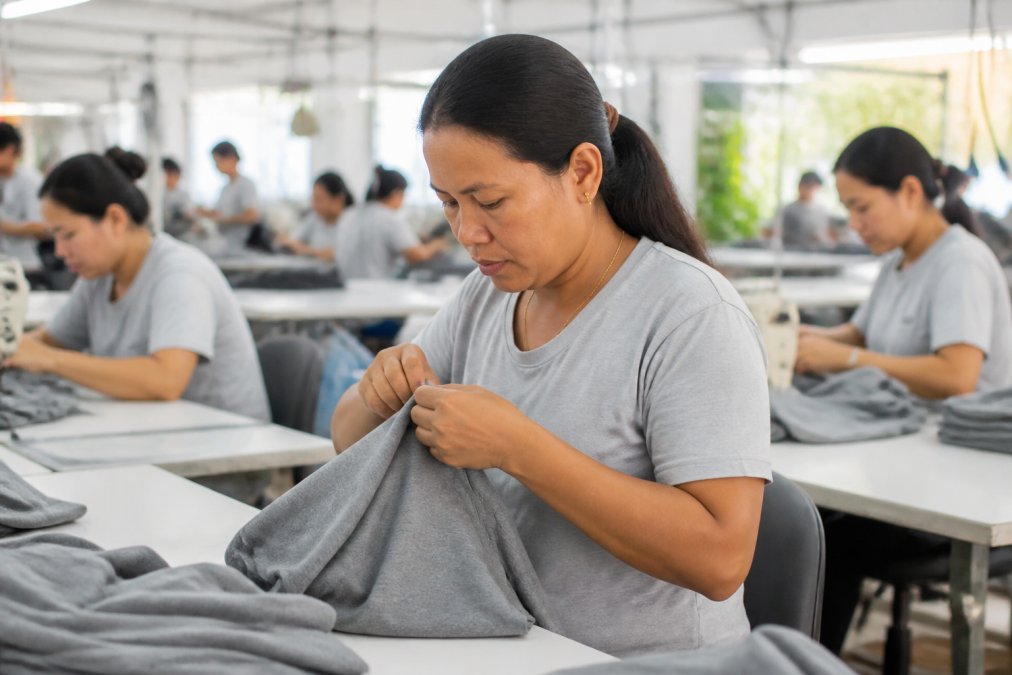
Mass-market clothing relies on speed and volume. Workers operate under tight quotas, often in conditions that prioritize output over quality. A single worker might complete hundreds of garments per day, with minimal time for precision or problem-solving. This creates an inherent conflict: faster production means lower quality control and more defects that slip through.
Luxury brands operate differently. They work with manufacturers who employ skilled workers and allow adequate time for each piece. A garment that takes 30 minutes to construct in a fast-fashion facility might take 45-60 minutes in a luxury production environment. That extra time allows for hand-finishing details, quality inspection, and corrections that prevent defects.
Ethical manufacturing standards also affect costs directly. Fair wages, safe working conditions, reasonable hours, and benefits all increase production expenses. But they also correlate with higher-quality output. Workers who aren't exhausted and stressed produce better work. They catch mistakes before pieces leave the factory. They take pride in what they're creating.
Many luxury basics brands maintain long-term relationships with specific manufacturers rather than constantly switching to find the cheapest option. This stability allows for training, consistency, and investment in equipment that improves quality. A manufacturer that knows they'll be producing for the same brand for years invests in better machinery and worker development in ways that fly-by-night arrangements never do.
The transparency that comes with ethical manufacturing also adds cost. Third-party audits, certifications, and documentation require time and money. But they also provide assurance that what you're paying for actually exists, that the garment wasn't made under exploitative conditions, even if you never see the factory.
Brand Equity and Perceived Value
Brand equity is real, measurable, and it absolutely affects pricing. But understanding brand equity isn't about dismissing luxury basics as "overpriced for a logo", it's about recognizing what brand investment actually delivers.
When a brand builds reputation over years, it's investing in research, design iteration, quality control systems, and customer service infrastructure. These aren't free. A brand that has tested hundreds of fabric combinations to find the perfect weight and drape for a basic t-shirt has spent money on that process. A brand that maintains detailed customer feedback systems and uses that data to continuously improve products is paying for that capability.
Brand equity also means accountability. If a luxury basics brand sells a defective piece, their reputation suffers in ways that matter to their business. A fast-fashion brand selling millions of units at low margins can absorb defects as an acceptable cost of doing business. A luxury brand cannot. This creates incentive structures that genuinely improve quality.
Perceived value isn't separate from actual value, it's a reflection of it. When customers perceive luxury basics as worth the premium, they're often responding to real differences in how the garment feels, performs, and lasts. The premium you pay isn't just for the brand name; it's for the systems and standards that the brand name represents.
This is where BALIVENO FASHION HOUSE LTD differentiates itself. The brand builds equity through specific, verifiable commitments: premium organic materials, ethical manufacturing partnerships, and unisex designs that prioritize fit and comfort over trend-chasing. Each of these choices costs more than alternatives, but collectively they create a value proposition that justifies the premium to customers who understand what they're buying.
Is Expensive Clothing Worth the Cost?
This is the question that separates rational analysis from pure marketing. The honest answer: it depends entirely on your usage patterns and values.
Expensive basics are worth the cost if you wear them frequently. A piece worn 100 times costs half as much per wear as a piece worn 50 times, even if the expensive version costs twice as much upfront. Luxury basics are designed for that high-frequency use, they maintain appearance and comfort through dozens of washes in ways that budget alternatives don't.
They're also worth the cost if durability and sustainability matter to you. Every garment that lasts twice as long as an alternative represents one fewer garment that needs to be produced, shipped, and eventually discarded. For environmentally-conscious consumers, the premium of luxury basics often aligns with their values in ways that make the cost feel justified.
Expensive basics are probably not worth the cost if you wear items infrequently or if you're building a wardrobe on a tight budget. A piece you wear five times per year, regardless of quality, is a poor investment. Similarly, if you're just starting to build a wardrobe and need volume, budget basics might be the smarter first step.
The real distinction isn't whether expensive clothing is universally "worth it", it's whether the specific piece matches how you actually live. A luxury basic t-shirt that you wear 3-4 times per week for two years is absolutely worth the premium. The same t-shirt sitting in a drawer because you never reach for it is a waste of money, regardless of quality.
Cost Per Wear Calculation: A Practical Framework
Cost per wear is the most useful metric for evaluating whether expensive clothing represents good value. It removes the emotion from the decision and focuses on actual usage.
The calculation is simple: divide the price by the number of times you expect to wear the piece over its lifetime.
Example calculation:
- Luxury basic t-shirt: $50
- Expected wears over lifetime: 100
- Cost per wear: $0.50
Compare this to a budget alternative:
- Budget t-shirt: $15
- Expected wears before quality degradation: 40
- Cost per wear: $0.375
At face value, the budget option looks cheaper. But if the luxury shirt lasts 150 wears instead of 100, the calculation shifts:
- Luxury shirt at 150 wears: $0.33 per wear
- Budget shirt at 40 wears: $0.375 per wear
Now the luxury option is actually cheaper over time, even though it costs more upfront.
The key variable is durability. How many times will each piece actually be wearable before it pills, fades, loses shape, or develops holes? This is where honest assessment matters. If you have experience with a brand, you know approximately how long their pieces last. If you're trying a brand for the first time, look for customer reviews that specifically mention longevity and washing durability.
For basics that become wardrobe staples, white t-shirts, neutral sweaters, simple jeans, the cost-per-wear calculation almost always favors luxury options, because you'll wear them frequently and they'll maintain quality through extended use.
| Garment Type | Budget Price | Luxury Price | Budget Expected Wears | Luxury Expected Wears | Budget Cost/Wear | Luxury Cost/Wear |
|---|---|---|---|---|---|---|
| T-shirt | $15 | $50 | 40 | 120 | $0.38 | $0.42 |
| Sweater | $25 | $60 | 30 | 100 | $0.83 | $0.60 |
| Jeans | $40 | $100 | 50 | 150 | $0.80 | $0.67 |
This framework transforms the pricing question from "why is this so expensive?" to "how many times will I actually wear this?" That second question is far more useful for making decisions that you won't regret.
Benefits of Sustainable Luxury Fashion
Sustainable luxury fashion isn't a separate category, it's increasingly the default approach for brands serious about quality and longevity.
Sustainable practices reduce environmental impact across the entire product lifecycle. Organic cotton requires less water and fewer pesticides than conventional cotton (the EPA). Ethical manufacturing often means less waste in production. Durable construction means fewer replacements, which means fewer garments need to be produced overall.
For consumers, this alignment between luxury and sustainability creates real benefits. A luxury basic that lasts years and maintains appearance through dozens of washes represents genuine sustainability. A cheap fast-fashion piece that deteriorates quickly and gets discarded represents the opposite, regardless of marketing claims about eco-consciousness.
Sustainable luxury basics also tend to use natural fibers and non-toxic dyes, which means they feel and smell better over time. They don't off-gas synthetic chemicals. They age gracefully rather than looking worn out. These aren't just environmental benefits, they're quality-of-life improvements that justify the premium.
Transparency in sustainable luxury fashion also matters. Knowing where materials come from, how workers are treated, and what processes are used creates confidence in the purchase. This transparency costs money to maintain, but it's increasingly expected by consumers who care about where their clothing comes from.
The connection between luxury and sustainability is also economic. A brand that builds long-term customer relationships through quality and durability has more incentive to invest in sustainable practices, because those practices improve the product itself. A brand focused on volume and rapid turnover has no such incentive.
Luxury basics cost more because they're fundamentally different products. They use premium materials sourced with care, manufactured by skilled workers under ethical conditions, and designed for durability and longevity rather than disposability.
Understanding these economics transforms how you think about clothing investment. Rather than comparing price tags, compare cost per wear. Rather than asking "why is this so expensive?" ask "how long will I actually wear this?" When you frame the decision that way, luxury basics from brands like BALIVENO FASHION HOUSE LTD, with their commitment to organic materials, ethical manufacturing, and timeless design, become the rational choice for pieces you'll wear frequently and treasure for years. Explore the Baliveno Eco Heavyweight Tee or other essentials and see how quality basics transform your wardrobe.

Frequently Asked Questions
Q: What is the difference between luxury basics and mass-market essentials?
A: Luxury basics use premium materials like organic cotton and natural fibers, employ ethical manufacturing standards, and feature superior craftsmanship. Mass-market essentials prioritize volume production and cost reduction. Luxury basics maintain durability through higher-quality textiles and construction techniques, resulting in garments that retain shape, color, and integrity through repeated wear and washing. The investment reflects longevity, not just aesthetic appeal.
Q: Is expensive clothing actually higher quality than fast fashion?
A: Yes, luxury basics demonstrate measurable quality differences. Premium pieces use natural fibers with higher thread counts, reinforced seams, and durable fabric weights. They're designed to withstand many wash cycles without pilling or fading. Fast fashion garments often use lower-quality synthetics and weaker construction, degrading after fewer washes. The durability difference directly impacts cost-per-wear economics, a luxury piece worn many times can cost less per use than a fast-fashion item worn fewer times.
Q: How does sustainable manufacturing affect the cost of luxury basics?
A: Sustainable manufacturing increases upfront costs through ethical labor practices, certified organic materials, and waste reduction processes. Fair-wage factories, environmental compliance, and supply chain transparency require investment that fast-fashion producers avoid. However, these practices create garments with superior longevity and minimal environmental impact. For consumers committed to sustainability, the higher price reflects genuine environmental and social responsibility rather than marketing overhead, making the long-term value proposition stronger than conventional luxury goods.
Q: How can you determine if a luxury garment is worth the investment?
A: Evaluate fabric composition (100% natural fibers or high-quality blends), weight (measured in oz/yd²), seam construction, and brand transparency about manufacturing practices. Calculate cost-per-wear by dividing the price by estimated annual wears over the garment's lifespan. Research durability through customer reviews and care instructions, garments requiring gentle handling may not deliver long-term value. Verify ethical certifications and supply chain transparency to confirm the premium reflects quality and responsibility, not just brand prestige.
This article was written using GrandRanker


