

Table of Contents
- What Makes Clothing Sustainable
- Key Certifications and Standards to Look For
- Sustainable Materials Guide for Family Clothing
- Durable Clothes for Active Children That Hold Up
- How to Care for Sustainable Clothing to Extend Garment Life
- Building a Sustainable Capsule Wardrobe for Kids
- Resale and Circular Fashion Options for Family Clothing
- Cost-Per-Wear Analysis: Why Premium Sustainable Pieces Make Financial Sense
Last Updated: August 25, 2026
What Makes Clothing Sustainable
Sustainable clothing is designed, produced, and distributed with minimal environmental and social impact throughout its entire lifecycle. The best sustainable clothing brands for families prioritize organic materials, ethical labor practices, reduced water consumption, and responsible manufacturing processes that protect both the planet and the people who make the garments.
True sustainability goes beyond marketing claims. It means transparency about where fabrics come from, how garments are made, and what happens to them at the end of their useful life. Brands committed to this approach often share detailed supply chain information and third-party certifications that verify their claims.
For families, sustainable clothing matters because children outgrow pieces quickly. Investing in durable, timeless designs means passing items down to younger siblings or reselling them through circular fashion platforms. This approach reduces waste while teaching children about conscious consumerism from an early age.
The EPA's guidance on textile waste and sustainable fashion highlights that Americans discard roughly 85% of all textiles annually (the EPA). Choosing durable, well-made pieces directly counters this trend.
Key Certifications and Standards to Look For
When evaluating the best sustainable clothing brands for families, certifications provide third-party verification that a brand's claims are legitimate. GOTS-certified products meet strict standards for organic fiber production, processing, manufacturing, labeling, and trading (global-standard.org). This certification ensures that fabrics contain at least 95% organic fibers and prohibits harmful chemicals throughout production.
Fairtrade certification guarantees that workers receive fair wages and work in safe conditions. For families concerned about ethical manufacturing, Fairtrade-labeled clothing offers peace of mind that no exploitative labor practices were used. The certification covers everything from cotton farming to the finished garment.
Bluesign certification focuses on chemical safety and environmental responsibility in textile production. It restricts hazardous substances from entering the manufacturing process, which protects both workers and the environment. Clothing with Bluesign certification is often hypoallergenic, making it ideal for children with sensitive skin.
Look for these additional standards: Global Organic Textile Standard (GOTS), Cradle to Cradle certification, and B Corp certification. Each verifies different aspects of sustainability, from organic fiber sourcing to circular design principles to overall business ethics. When multiple certifications appear on a brand's products, it signals serious commitment rather than greenwashing.
Sustainable Materials Guide for Family Clothing
Organic cotton forms the foundation of sustainable children's clothing. Unlike conventional cotton, organic varieties eliminate synthetic pesticides and fertilizers, reducing environmental contamination and protecting farm workers' health. Organic cotton is soft against young skin and naturally biodegradable at the end of its life.

Recycled polyester transforms plastic waste into wearable fabric. This material requires significantly less water and energy than virgin polyester production. Blended with organic cotton, like in the Baliveno Kids Organic Cotton Printed Hoodie featuring 80% organic cotton and 20% recycled polyester, it creates durable pieces that balance sustainability with performance.
Tencel (lyocell) is a plant-based fiber made from sustainably managed wood sources. The production process uses a closed-loop system that recycles 99% of water and solvents. Tencel fabric is breathable, hypoallergenic, and biodegradable, making it excellent for sensitive skin.
Hemp is one of the most sustainable fibers available. It requires minimal water, no pesticides, and regenerates quickly. Hemp clothing becomes softer with each wash and lasts for years, delivering exceptional cost-per-wear value.
Bamboo viscose grows rapidly without requiring pesticides or fertilizers. However, production methods vary significantly. Lyocell-produced bamboo viscose uses closed-loop systems and is far more sustainable than standard viscose production, which can generate pollution.
Non-toxic dyes are essential for children's clothing. Natural dyes and low-impact synthetic dyes reduce water pollution and protect both manufacturing workers and the children wearing the clothes. Many sustainable brands now use GOTS-approved dyes that meet strict environmental standards.
Durable Clothes for Active Children That Hold Up
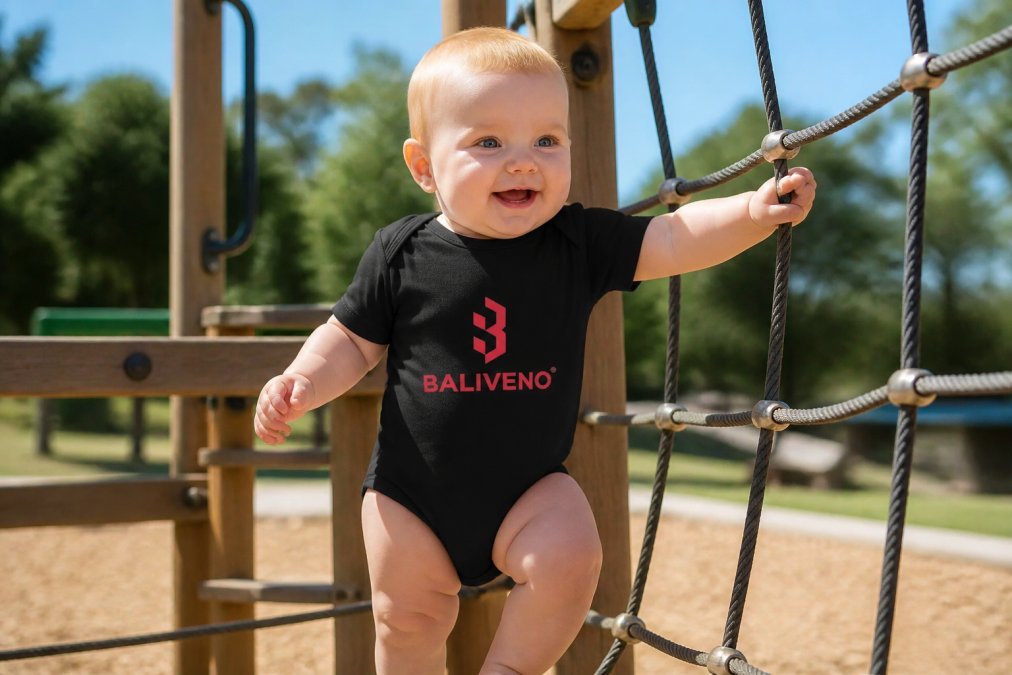
Durability is the ultimate sustainability metric for children's clothing. A piece that lasts through multiple children or years of active play outperforms a cheaper garment that falls apart after one season. Construction quality matters more than material alone.
Examine seam strength, hem finishing, and reinforced stress points. Quality brands use flat-felled seams or double-stitching at high-wear areas like pockets, armholes, and crotches. Look for ribbed cuffs and waistbands that retain their shape after dozens of washes. Baliveno's collection, including pieces like the BALIVENO Junior Eco Hoodie, demonstrates this attention to construction detail with reinforced seams and brushed lining designed to withstand active childhood.

Fabric weight indicates durability. Heavier fabrics (measured in ounces per square yard) resist pilling and wear better than lightweight alternatives. A 7.5 oz/yd² fleece, like the Toddler Hoodie "Let's Hit the Open Road", provides the structure needed for rough-and-tumble play while maintaining softness.
Test garments before committing to a full wardrobe. Order a single piece in your child's size and put it through real-world testing over two to three weeks. Wash it multiple times, let your child wear it for active play, and assess how well it holds up. This approach prevents investing in a brand that doesn't match your family's durability expectations.
How to Care for Sustainable Clothing to Extend Garment Life
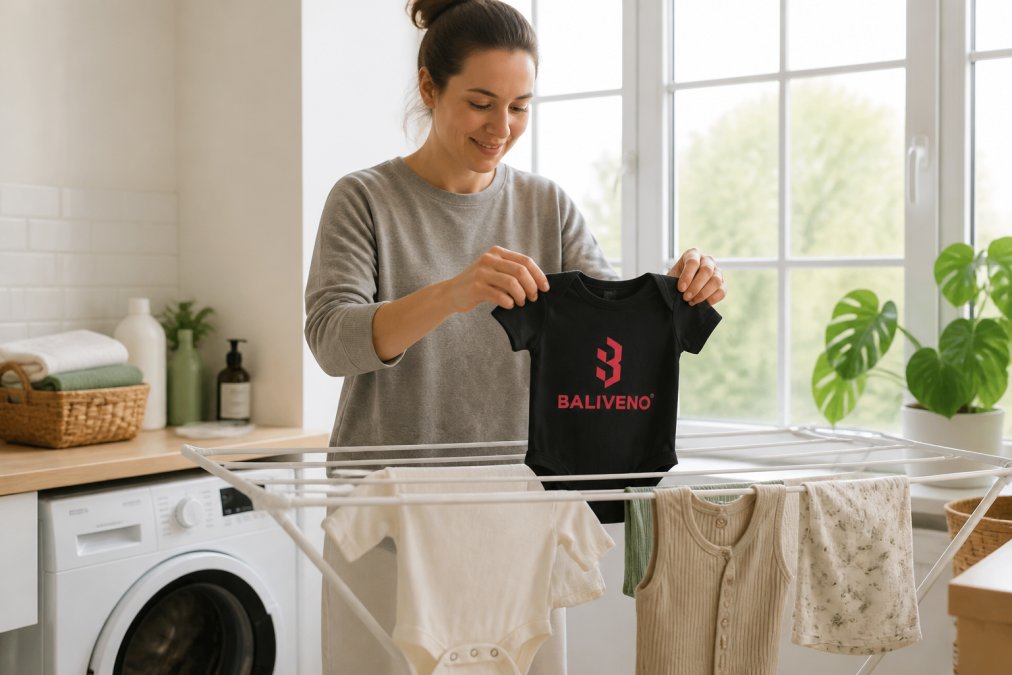
Proper care transforms sustainable clothing from a short-term investment into a multi-year wardrobe staple. Washing practices directly impact longevity and environmental footprint.
Wash in cold water using the gentlest cycle available. Cold water prevents color fading, reduces fabric stress, and cuts energy consumption by 80% compared to hot water washing. Turn garments inside out before washing to protect prints and minimize pilling.
Use eco-friendly detergent formulated without harsh chemicals. These detergents are gentler on delicate fibers while reducing water pollution. They work effectively in cold water, which is critical for sustainable care routines.
Air-dry whenever possible. Machine drying generates significant heat that degrades elastic fibers and causes shrinkage. Hang garments in sunlight when feasible, UV rays naturally disinfect and brighten fabrics. If machine drying is necessary, use the lowest heat setting and remove items while still slightly damp.
Mend small issues immediately. A loose thread becomes a hole becomes unwearable. Keep a simple sewing kit and patch small tears before they spread. This single habit extends garment life by months or years.
Limit washing frequency. Children's play clothes don't require washing after every wear. Spot-clean small stains and air out garments between wears. Reserve full washes for items that are visibly soiled or have been worn for extended periods. This reduces both water consumption and fabric stress.
Building a Sustainable Capsule Wardrobe for Kids
A sustainable capsule wardrobe for children focuses on versatile, timeless pieces that mix and match effortlessly. This approach reduces the total number of garments needed while ensuring kids always have appropriate clothing options.
Start with a neutral base: organic cotton basics in white, gray, navy, and black. These pieces form the foundation for countless outfit combinations. Add 3-4 accent colors that work together and with the neutrals. Warm tones like burnt orange and warm gray, or cool tones like sage and slate blue, create cohesive collections.
Layer with quality essentials. Long-sleeve tees, simple sweaters, and lightweight hoodies work across seasons when layered appropriately. The BALIVENO Organic Cotton Baby Bodysuit at $25.00 serves as a foundational piece for infants, while the various BALIVENO eco hoodies priced at $37.00 provide versatile layering for older children.

Invest in quality denim or organic cotton pants in classic cuts. Avoid trendy styles that will look dated within a season. Straight-leg or slightly tapered fits accommodate growth spurts while remaining stylish across multiple years.
Choose unisex designs when possible. Unisex pieces maximize hand-me-down potential across siblings of different genders and extend the wardrobe's useful life. Many sustainable brands, including Baliveno, prioritize unisex silhouettes that offer refined style without gendered cuts.
Limit seasonal pieces to essentials. One quality winter coat, lightweight rain jacket, and versatile sweaters cover most weather needs. Avoid accumulating single-use items like costumes or holiday-specific clothing.
Resale and Circular Fashion Options for Family Clothing
Circular fashion extends the life of sustainable clothing through resale, rental, and donation platforms. This approach transforms the best sustainable clothing brands for families into multi-generational investments rather than single-use purchases.
Resale platforms like Poshmark, Mercari, and ThredUP specialize in children's clothing. Parents can recoup 20-40% of original purchase prices for well-maintained pieces. High-quality sustainable brands hold resale value better than fast-fashion alternatives, making the initial investment more financially sound.
Rental services offer an alternative for items children use briefly. Specialty rental platforms allow families to rent seasonal clothing, formal wear, or pieces for specific activities without purchasing. This model works particularly well for rapidly growing toddlers who outgrow sizes within months.
Buy-back programs, offered by some sustainable brands, allow customers to return worn garments for store credit or resale. These programs close the loop by ensuring pieces don't end up in landfills and creating incentives for continued brand loyalty.
Donation to local schools, community centers, or charitable organizations gives clothing a second life while supporting families in need. Many communities have clothing swaps where families exchange outgrown pieces with others, eliminating the need for purchases entirely.
End-of-life disposal matters for truly sustainable choices. Organic cotton and natural fibers biodegrade completely within months in proper composting conditions. Synthetic blends require longer decomposition times, making resale or donation preferable to disposal.
Cost-Per-Wear Analysis: Why Premium Sustainable Pieces Make Financial Sense
Cost-per-wear analysis reframes the conversation about sustainable clothing pricing. Instead of comparing sticker prices, this framework divides total cost by the number of times a garment is worn, revealing true value.
A $37.00 BALIVENO eco hoodie worn 100 times costs $0.37 per wear. The same hoodie passed to a younger sibling adds another 100+ wears, reducing cost-per-wear to approximately $0.18. Compare this to a $15.00 fast-fashion hoodie worn 20 times before pilling or fading renders it unwearable, a cost-per-wear of $0.75.
Durability multiplies value. Sustainable pieces with reinforced seams, quality fabrics, and timeless designs accumulate wears across years and siblings. Fast-fashion alternatives deteriorate quickly, requiring frequent replacement and ultimately costing more.
Calculate your family's specific cost-per-wear: divide the purchase price by the expected number of wears before the item becomes unwearable or outgrown. For children's clothing, factor in hand-me-down potential. A $43.50 Baliveno Kids Organic Cotton Printed Hoodie worn by two children across 150 total wears costs approximately $0.29 per wear, competitive with disposable alternatives while delivering superior quality and environmental benefit.
| Garment Type | Premium Sustainable Cost | Expected Wears (Single Child) | Hand-Me-Down Wears | Total Wears | Cost-Per-Wear |
|---|---|---|---|---|---|
| Organic Cotton Hoodie | $37-43 | 80-100 | 80-100 | 160-200 | $0.19-$0.27 |
| Organic Cotton Bodysuit | $25 | 60-80 | 60-80 | 120-160 | $0.16-$0.21 |
| Durable Fleece Hoodie | $40 | 100-120 | 100-120 | 200-240 | $0.17-$0.20 |
| Fast-Fashion Alternative | $12-18 | 15-25 | Limited | 15-25 | $0.48-$1.20 |
Over a child's entire wardrobe lifecycle from infant through early childhood, investing in the best sustainable clothing brands for families typically costs 15-25% more upfront but delivers 60-70% lower total cost-per-wear when accounting for durability and hand-me-down value.
Building a sustainable wardrobe for your family requires balancing environmental values with practical durability and financial sense. The best sustainable clothing brands for families deliver on all three fronts through quality construction, transparent sourcing, and timeless design that withstands active childhood.
At BALIVENO FASHION HOUSE LTD, we understand that families need clothing that performs as hard as your children do. Our collection of organic cotton basics, eco-conscious hoodies, and carefully constructed pieces reflects this commitment to durability, sustainability, and refined style. Shop Best Sellers and discover how premium sustainable pieces transform your family's wardrobe into a lasting investment.
Frequently Asked Questions
Q: What makes a clothing brand truly sustainable?
A: True sustainability in clothing goes beyond marketing claims. Look for brands that disclose their supply chain, use certified organic or recycled materials, minimize water and chemical use, and commit to fair labor practices. Transparency about manufacturing locations, certifications like GOTS or Fairtrade, and accountability for environmental impact distinguish genuine sustainable brands from greenwashing.
Q: How do I know if a clothing brand is greenwashing?
A: Greenwashing occurs when brands use vague environmental claims without third-party certification or transparent proof. Red flags include terms like 'eco-friendly' without specific certifications, no supply chain information, lack of detail about materials, and missing data on labor practices. Authentic sustainable brands provide detailed sourcing information, hold recognized certifications (GOTS, Fairtrade, Bluesign), publish sustainability reports, and explain their manufacturing processes clearly.
Q: What are the benefits of choosing organic cotton for children's clothing?
A: Organic cotton is grown without synthetic pesticides or fertilizers, reducing chemical exposure for children's sensitive skin and minimizing environmental harm. It requires less water than conventional cotton and supports soil health. For families, organic cotton pieces are hypoallergenic, softer, and less likely to trigger skin irritation. Combined with durable construction, organic cotton garments withstand repeated washing and wear, making them cost-effective for active children over time.
Q: How can I build a sustainable capsule wardrobe for my family?
A: Start with neutral, high-quality basics in organic cotton or recycled materials that mix and match easily. Choose timeless styles over trends so pieces stay relevant as children grow. Invest in durable construction with reinforced seams and quality fabrics that hold up to frequent washing. Select pieces that layer well for different seasons. Add a few statement pieces in versatile colors. Prioritize garment longevity and consider hand-me-down potential across siblings to maximize value and minimize waste.
Q: Are there affordable sustainable clothing brands for families?
A: Yes, sustainable options exist at various price points. While premium brands offer superior durability and certifications, mid-range sustainable brands balance affordability with environmental responsibility. Look for brands offering organic cotton basics, recycled materials, and transparent manufacturing. Consider cost-per-wear: a durable $40 hoodie worn 100 times costs $0.40 per wear, compared to a $15 conventional piece worn 20 times, which costs $0.75 per wear. Resale and hand-me-down programs also reduce family clothing costs.
This article was written using GrandRanker


