

Table of Contents
- Why Decluttering Matters for a Capsule Wardrobe
- Overcoming Psychological Barriers to Decluttering
- Wardrobe Decluttering Tips: The Step-by-Step Process
- How to Build a Capsule Wardrobe From Your Kept Items
- Creating a Capsule Wardrobe Checklist for Your Lifestyle
- Sustainable Disposal: What to Do With Clothes You're Removing
- Maintaining Your Minimalist Closet Long-Term
- Conclusion
Last Updated: August 30, 2026
Why Decluttering Matters for a Capsule Wardrobe
A capsule wardrobe is a carefully curated collection of versatile, high-quality pieces that work together to create numerous outfit combinations. The foundation of any successful capsule wardrobe starts with decluttering, removing items that no longer serve you, don't fit your lifestyle, or don't align with your personal style. When you declutter your closet for a capsule wardrobe, you're making a conscious decision about who you are and what you want to wear every day.
At BALIVENO FASHION HOUSE LTD, we believe that minimalist living begins with intentional choices. A cluttered closet filled with pieces you never wear creates decision fatigue, steals your time each morning, and often leads to impulse purchases of similar items you already own. By contrast, a decluttered closet transforms your relationship with fashion. You know exactly what you have, every piece works with everything else, and getting dressed becomes effortless.
The psychological weight of an overstuffed closet is real. Items with tags still attached, clothes that don't fit, pieces from outdated style eras, they all create shame and overwhelm. Decluttering your closet for a capsule wardrobe reframes this narrative. Instead of shame, you create clarity. Instead of overwhelm, you build confidence.
Overcoming Psychological Barriers to Decluttering
What stops most people from decluttering isn't the act itself, but the emotions tied to it.
Many people struggle with "just in case" thinking, keeping clothes they might wear someday even though that day hasn't arrived in years. Others hold onto items as reminders of past identities, the smaller jeans, the formal dress from a wedding, the blazer from a previous job. These pieces anchor you to the past rather than supporting your present life.
Guilt is another major barrier. You spent money on something, so throwing it out feels wasteful. You received it as a gift, so discarding it feels ungrateful. Here's the truth: keeping an unworn item doesn't help anyone. A piece rotting in your closet serves nobody.
The sunk cost fallacy is particularly powerful in fashion. Because you paid for it, you feel obligated to keep and wear it, even though that money is already gone. The choice isn't between "wearing the item" and "wasting money." The choice is between "wearing something you love today" and "wearing something you resent out of obligation."
Permission is the final barrier. Give yourself permission to let go, to admit your style has evolved, to acknowledge that something doesn't fit and probably won't again.
Wardrobe Decluttering Tips: The Step-by-Step Process
The process of decluttering your closet for a capsule wardrobe works best when you follow a structured approach. Work through these steps methodically rather than attempting everything at once.
Step 1: Conduct a Complete Wardrobe Audit
Before you remove anything, you need to see what you actually have. Pull every single item from your closet and lay them out. This visibility is crucial for making informed decisions.
As you pull items, sort them into three temporary piles: items you wear regularly, items you haven't worn in over a year, and everything in between. Go with your gut instinct.
Document what you find by taking photos or making a list of categories: how many white t-shirts, how many pairs of jeans, how many blazers. This inventory becomes your reference point for building your capsule wardrobe later.
Step 2: Sort Into Four Piles
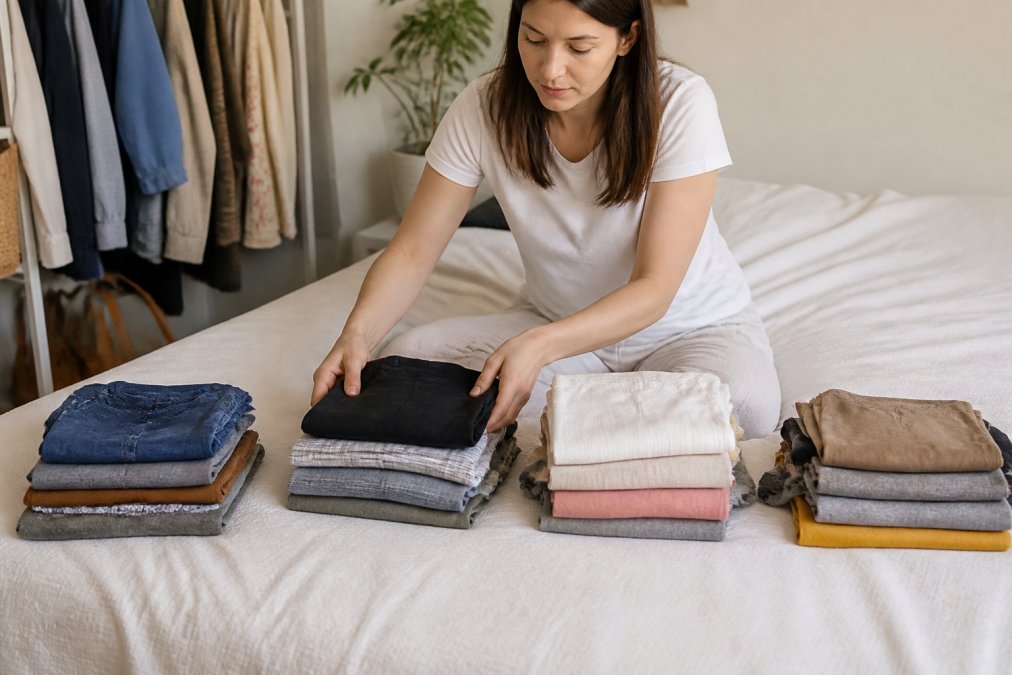
Create four distinct piles: Keep, Donate, Sell, and Discard.
Keep pile: Pieces you wear regularly, that fit well, that make you feel confident, and that align with your lifestyle. Only items you genuinely wear and love go here.
Donate pile: Pieces in good condition that you don't wear but someone else might. Gently used items, pieces that are out of style for you but still functional.
Sell pile: Higher-quality items, designer pieces, or relatively new items with resale value. Online platforms make this easier, though it requires more effort than donating.
Discard pile: Items that are stained, torn, pilled, faded beyond repair, or otherwise unwearable. Be realistic about whether you'll actually fix something.
The act of physically separating items is therapeutic and reinforces your commitment to change.
Step 3: Identify Your Color Palette and Body Shape
Your color palette and body shape determine which pieces will actually work in your capsule wardrobe.
Color palette: Look at the Keep pile. What colors appear most frequently? What colors do you receive compliments in? Your natural coloring influences which colors harmonize with you. Neutrals like black, white, gray, navy, and beige work for most people, but your personal palette might include warm tones like camel and olive, or cool tones like burgundy and forest green.
Body shape: Understanding your body shape helps you identify silhouettes that flatter you. Once you know your shape, evaluate pieces in your Keep pile with fresh eyes. Does that oversized sweater actually work for your frame, or have you been wearing it out of habit?
Write down your color palette and body shape as a reference for building your capsule wardrobe and making future purchases.
How to Build a Capsule Wardrobe From Your Kept Items
With your decluttered Keep pile in front of you, you're ready to build your actual capsule wardrobe. Start by identifying your wardrobe staples, the pieces that appear in multiple outfits. A well-fitting pair of jeans, a neutral blazer, a white t-shirt, a basic sweater. These are your anchors.
Next, look for versatile pieces that bridge multiple outfits. A striped shirt works with jeans, trousers, and skirts. A neutral cardigan layers over dresses and pairs with basics. These transitional pieces multiply your outfit combinations.
Consider your lifestyle honestly. Do you work in a corporate environment, a creative field, or from home? Do you spend weekends hiking or at brunch? Your capsule wardrobe should reflect your actual life, not an imaginary version of yourself.
The premium basics from BALIVENO FASHION HOUSE LTD, like the Unisex Organic Cotton T-Shirt or The Baliveno Signature Cotton Tee, form the backbone of a durable capsule wardrobe. Quality matters because these pieces need to withstand frequent wearing and washing without pilling, fading, or losing their shape.


Look for pieces that work in multiple seasons. Lightweight layers extend the wearability of items. A linen shirt works in summer and under a sweater in spring. A lightweight cardigan bridges seasons.
Creating a Capsule Wardrobe Checklist for Your Lifestyle
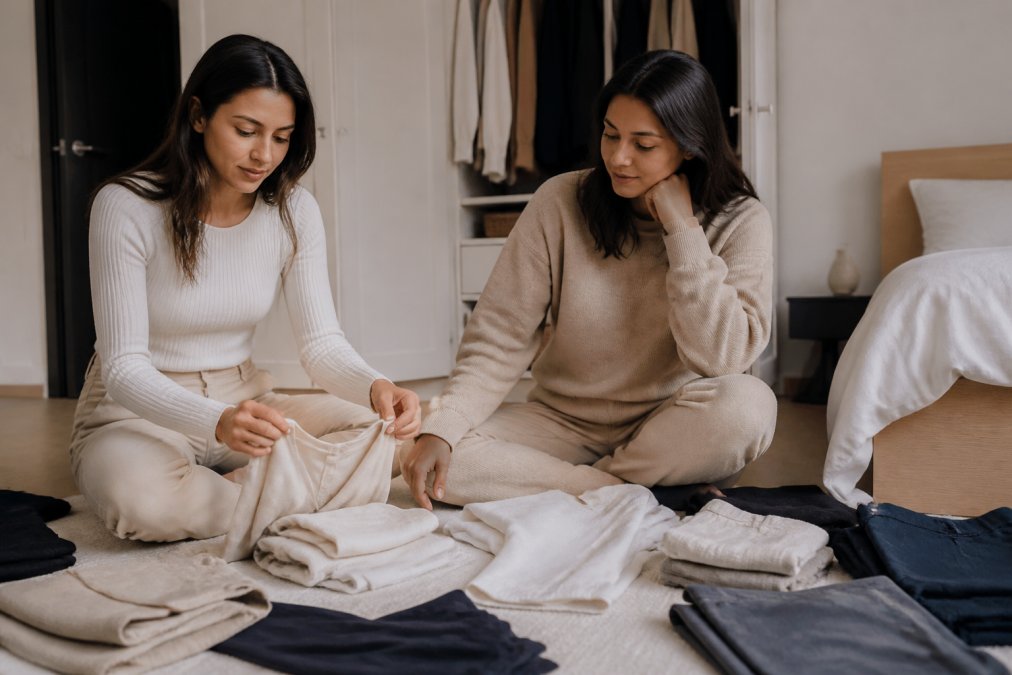
A capsule wardrobe checklist helps you visualize what you have and identify gaps. This isn't a rigid prescription, it's a framework you adapt to your life.
| Essential Category | Recommended Pieces | Why It Matters |
|---|---|---|
| Basics | 3-5 quality t-shirts | Foundation for layering and casual outfits |
| Bottoms | 2-3 pairs of trousers, 1-2 pairs of jeans | Versatile across seasons and occasions |
| Layers | 1-2 cardigans, 1 blazer | Add dimension and formality when needed |
| Dresses | 1-2 versatile styles | Simplify outfit decisions |
| Outerwear | 1-2 seasonally appropriate jackets | Protect and complete looks |
| Shoes | 3-5 pairs in neutral tones | Neutral shoes work with more outfits |
| Accessories | Belts, scarves, jewelry in your colors | Multiply outfit combinations |
Start with the categories that matter most to your lifestyle. Someone who works in business casual needs more structured pieces than someone in a creative field. A parent managing multiple kids might prioritize comfort and durability.
Quality over quantity is the principle here. Five t-shirts you love beats fifteen you tolerate.
Sustainable Disposal: What to Do With Clothes You're Removing
How you dispose of unwanted clothing matters. Sending items to landfills represents wasted resources and contributes to textile waste.
Donation to nonprofits: Organizations like Goodwill, The Salvation Army, and local charities accept gently used clothing. Many offer free pickup for large donations.
Resale platforms: Apps like Depop, Poshmark, Vestiaire Collective, and Mercari connect you with buyers. This requires more effort but lets you recover some investment. Designer pieces and higher-quality items sell well.
Consignment shops: Local consignment stores evaluate your items and sell them on your behalf, splitting proceeds. This is less labor-intensive than online resale.
Clothing swaps: Organize swaps with friends or join community swap events. Everyone walks away with "new" items, and nothing goes to waste.
Textile recycling: For items too damaged to donate or resell, textile recycling programs break down fabrics for reuse. Search for textile recycling centers in your area.
Upcycling: Damaged items can become rags, pet beds, or raw material for DIY projects.
Treat the disposal process with the same care you used to declutter. Every piece deserves a thoughtful end rather than automatic landfill assignment.
Maintaining Your Minimalist Closet Long-Term
Decluttering is a one-time event. Maintaining a minimalist closet is an ongoing practice. Without maintenance, you'll gradually accumulate items again.
Implement a one-in-one-out rule: When you buy a new piece, remove an old one. This keeps your closet size stable and forces intentional purchasing decisions.
Seasonal reviews: Every three months, review your closet. Are there pieces you haven't worn? Does something no longer fit or feel right? Address these quickly.
Stop impulse buying: Before purchasing anything, ask yourself: Does this fit my color palette? Does it work with at least three pieces I already own? Will I wear this within the next month? If you can't answer yes to all three, don't buy it.
Care for your pieces: Quality clothing lasts longer when properly maintained. Wash delicate items by hand or on gentle cycles. Air-dry when possible. Store items thoughtfully on hangers rather than folded. The Baliveno Unisex Hoodie and premium basics from BALIVENO FASHION HOUSE LTD are built to last with proper care.

Track what you wear: Spend a week noting what you actually wear. You'll notice patterns. Use this data to inform future purchases and identify pieces that don't work for you.
Resist completing your wardrobe: There's always another piece you could add. Your capsule wardrobe is complete when it serves your lifestyle. Intentional is better than more.
Building a capsule wardrobe through thoughtful decluttering transforms how you relate to fashion. You move from endless choice and decision fatigue to clarity and confidence. The process requires honesty about what you actually wear, permission to let go of what no longer serves you, and commitment to maintaining your choices. When you declutter your closet for a capsule wardrobe, you're investing in a lifestyle of intention, quality, and everyday confidence. BALIVENO FASHION HOUSE LTD's commitment to premium, sustainable basics gives you the foundation to build a wardrobe that lasts, both in durability and in timeless style. Shop our Best Sellers and start building your capsule wardrobe today.
Frequently Asked Questions
What's the best way to decide what clothes to keep when decluttering?
Ask yourself three questions for each piece: Does it fit my body right now? Do I feel confident wearing it? Have I worn it in the past year? Keep only items that answer yes to all three. Consider your lifestyle, work environment, and daily activities. Quality over quantity matters, a premium piece you wear weekly beats ten cheap items gathering dust. Items that spark joy or serve a clear purpose in your capsule wardrobe stay; everything else goes.
How many items should be in a capsule wardrobe?
Most minimalist closets contain 30-50 pieces, but the right number depends on your lifestyle and climate. A professional needing work clothes may need more basics than someone working from home. The goal isn't hitting a specific number, it's owning only pieces you wear regularly and love. Start by keeping versatile essentials like neutral t-shirts, well-fitting jeans, and layering pieces, then add items that mix and match easily. Quality garments that last longer reduce the need for frequent replacements.
What are the most common capsule wardrobe mistakes to avoid?
The biggest mistake is keeping clothes that don't fit your body or lifestyle, hoping you'll change. Another is buying trendy pieces instead of timeless basics, trends fade, but quality essentials remain relevant for years. Avoid impulse purchases that don't coordinate with what you own. Don't skip the color palette step; mismatched colors limit outfit combinations. Finally, many people underestimate the importance of proper storage and maintenance, leading to wrinkled, damaged pieces that look less premium than they should.
How do I start a capsule wardrobe on a budget?
Begin by decluttering what you own and building outfits from existing pieces. Invest in one or two high-quality basics at a time rather than buying many cheap items. Look for versatile, neutral pieces that work across seasons and occasions. Premium materials like organic cotton cost more upfront but last longer, reducing overall spending. Focus on pieces with longevity, a well-made t-shirt or pair of trousers worn for years offers better value than fast-fashion alternatives replaced frequently. Build gradually, choosing timeless styles over trends.
This article was written using GrandRanker

EXPLORE THE BALIVENO EDIT
Continue the story
Discover a BALIVENO piece or collection related to the ideas in this article.
£37.94
Baliveno Drop Shoulder Cotton T-Shirt Explore all clothing

