

Table of Contents
- Why Traditional Denim Production Harms the Environment
- Organic Cotton vs. Conventional Denim: Key Benefits
- Sustainable Fabric Alternatives for Pants Beyond Cotton
- How to Identify Ethical Fashion Brands You Can Trust
- Cost-Per-Wear: Making Sustainable Denim Affordable
- Care, Repair, and Upcycling to Extend Garment Life
- Eco-Friendly Alternatives to Traditional Denim Worth Your Investment
- Frequently Asked Questions
Last Updated: September 2, 2026
Why Traditional Denim Production Harms the Environment
Traditional denim manufacturing ranks among the most resource-intensive textile production processes in the fashion industry. The conventional approach to creating denim relies heavily on water consumption, chemical treatments, and energy-intensive dyeing methods that leave significant environmental footprints.
A single pair of conventional jeans requires approximately 2,000 gallons of water from cultivation through finishing. Beyond water usage, the production process involves synthetic indigo dyes, bleaching agents, and heavy metals that often contaminate local water supplies near manufacturing facilities. These chemicals don't simply disappear after processing, they persist in ecosystems and accumulate in soil and groundwater.
The carbon footprint of traditional denim extends beyond the factory floor. Cotton grown with synthetic pesticides and fertilizers contributes to soil degradation, while transportation across global supply chains adds emissions at every step. Conventional manufacturing also generates significant textile waste, with pre-consumer deadstock fabric often discarded rather than repurposed.
At BALIVENO FASHION HOUSE LTD, we recognize that choosing how you dress carries real environmental consequences. Understanding these impacts helps explain why eco-friendly alternatives to traditional denim have become essential for environmentally conscious consumers.
Organic Cotton vs. Conventional Denim: Key Benefits
The difference between organic cotton and conventional denim begins in the field. Organic cotton cultivation eliminates synthetic pesticides and fertilizers, protecting soil health and reducing chemical runoff into waterways. This farming method builds soil organic matter over time, creating more resilient agricultural systems.

Organic cotton denim delivers several concrete advantages. The fabric itself maintains superior softness because it hasn't been exposed to the harsh chemical treatments required in conventional processing. Organic certification standards like GOTS (Global Organic Textile Standard) ensure transparency throughout the supply chain, from farm to finished garment.
Water usage represents another critical distinction. While conventional cotton production requires intensive irrigation and pesticide application, organic farming relies on rainfall and natural pest management. Processing organic cotton into finished denim uses fewer toxic chemicals, reducing both environmental contamination and occupational hazards for factory workers.
BALIVENO's organic cotton pieces, including the Unisex Organic Cotton T-Shirt at $35 and the Organic Cotton T-Shirt at $22, demonstrate how organic materials create premium basics that reward longevity. Both feature GOTS certification, confirming genuine organic sourcing and ethical manufacturing standards.

Sustainable Fabric Alternatives for Pants Beyond Cotton
The most innovative eco-friendly alternatives to traditional denim expand beyond organic cotton into entirely different fiber sources. These alternatives address specific sustainability challenges while offering distinct aesthetic and performance characteristics.
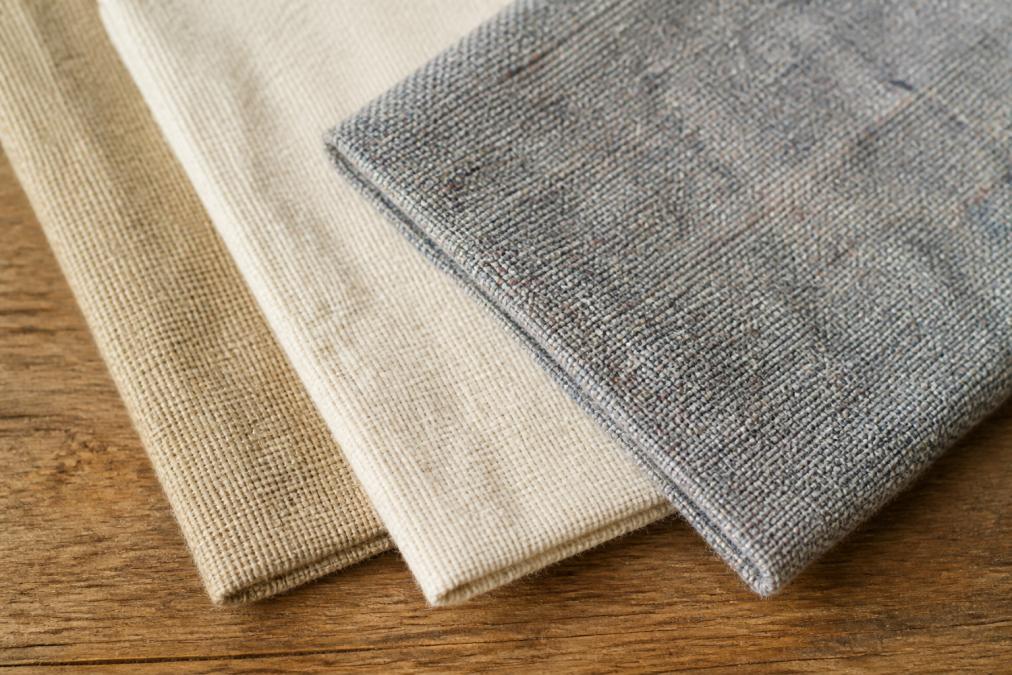
Hemp Denim
Hemp fabric represents one of the most sustainable fiber alternatives available. Hemp plants require minimal water compared to cotton, grow without synthetic pesticides, and regenerate soil health through their deep root systems. The fiber itself produces durable, breathable material that improves with wear and washing.
Hemp denim creates a slightly textured appearance that differs from traditional indigo denim but develops character over time. The fabric naturally resists microbial growth, meaning hemp pants require less frequent washing. This property directly reduces water consumption and detergent use during the garment's lifetime.
The primary consideration with hemp denim involves initial stiffness. New hemp garments feel structured until they soften through wear and washing. However, this same durability means hemp pants outlast conventional denim by years, making the initial adjustment worthwhile for committed sustainable fashion enthusiasts.
Linen and Linen Blends
Linen production uses even less water than hemp and requires minimal chemical inputs. Flax plants, which produce linen fiber, thrive in temperate climates without intensive irrigation. The resulting fabric breathes exceptionally well, making linen-blend pants ideal for warm climates and summer wear.
Linen blends combine linen with organic cotton or hemp to create pants that balance breathability with durability. A 50/50 linen-cotton blend offers the structure needed for everyday wear while maintaining linen's environmental advantages. These blends typically feel softer than pure linen, reducing the adjustment period for new wearers.
One practical advantage of linen is its naturally antimicrobial properties, similar to hemp. Linen pants can extend wear cycles between washes, directly reducing water consumption and detergent use. The fabric also biodegrades completely at end-of-life, unlike synthetic blends.
Recycled Fibers and Deadstock Fabric
Recycled fiber technology transforms textile waste into new fabric, closing the loop on garment production. Pre-consumer deadstock, fabric scraps from manufacturing, and post-consumer waste from discarded clothing both become viable raw materials for new denim alternatives.
Recycled polyester blended with organic cotton creates durable, denim-like fabric while diverting waste from landfills. BALIVENO's Eco Heavyweight Tee at $49.96 exemplifies this approach, incorporating recycled plastic bottles alongside organic cotton to create a substantial, wearable fabric.

The environmental benefit of recycled fibers is straightforward: using existing materials eliminates the resource extraction required for virgin fiber production. Each pair of pants made from recycled content represents water saved, pesticides avoided, and landfill space preserved. As recycling infrastructure improves, this category continues expanding with new blends and innovations.
:::pro-tip Recycled fiber blends often perform best when combined with natural fibers rather than used alone. A 60% recycled polyester / 40% organic cotton blend balances durability, feel, and environmental impact more effectively than pure recycled content. :::
How to Identify Ethical Fashion Brands You Can Trust
Distinguishing genuine sustainable brands from greenwashing requires attention to specific certifications and transparent communication. The fashion industry has unfortunately normalized vague sustainability claims without backing them with verifiable standards.
Look for third-party certifications as your primary verification tool. GOTS certification confirms organic fiber sourcing and ethical manufacturing practices. OEKO-TEX Standard 100 certifies that fabrics contain no harmful chemicals. Fair Trade certification ensures workers receive living wages and safe working conditions. Brands displaying these certifications have submitted to independent audits rather than self-reporting their practices.
Supply chain transparency separates authentic sustainable brands from marketing-focused companies. Ethical brands publicly identify their manufacturing facilities, often naming specific factories and locations. They provide information about labor practices, wage standards, and working conditions. BALIVENO's commitment to sustainable production includes transparent sourcing from certified facilities, allowing customers to understand exactly where their clothing originates.
Ask brands specific questions about their practices. Vague responses about being "eco-conscious" or "sustainable" without detailed explanations are red flags. Legitimate sustainable brands can articulate their material sourcing, dyeing processes, waste management, and labor standards with precision.
Check for independent certifications rather than proprietary labels. A brand's own "eco-friendly" label means nothing without external verification. Third-party certifications require ongoing compliance audits and represent genuine accountability.
Review a brand's communication about limitations and trade-offs. Truly sustainable companies acknowledge that no production is perfectly zero-impact. They discuss specific challenges they're addressing and areas where they're still improving. This honesty signals integrity compared to brands claiming perfection.
Cost-Per-Wear: Making Sustainable Denim Affordable
The sticker shock of sustainable denim often deters budget-conscious consumers. However, evaluating cost-per-wear reveals that eco-friendly alternatives frequently deliver better value than cheap conventional options.
Cost-per-wear calculation is straightforward: divide the purchase price by the number of times you'll wear the garment. A $100 pair of sustainable pants worn 200 times costs 50 cents per wear. A $40 pair of conventional pants worn 50 times before degradation costs 80 cents per wear. Sustainable options win on this metric consistently.
Durability drives the cost-per-wear advantage. Sustainable fabrics, particularly organic cotton, hemp, and quality recycled blends, resist pilling, fading, and shape loss far better than cheap conventional denim. Seams hold firm through dozens of washes. Colors remain vibrant. Fit remains consistent.
The longevity benefit extends beyond simple economics. Wearing fewer items more frequently aligns with minimalist wardrobing principles. Building a capsule wardrobe around high-quality sustainable basics reduces decision fatigue, simplifies laundry, and creates more outfit combinations from fewer pieces.
BALIVENO's pricing reflects this value proposition. The Organic Cotton T-Shirt at $22 and Unisex Organic Cotton T-Shirt at $35 position premium organic basics at accessible price points. These pieces outlast multiple cheap alternatives, making the initial investment economically rational.
Consider also the hidden costs of cheap denim. Frequent replacement generates textile waste. Excessive washing due to poor durability consumes water and energy. The true cost of fast fashion extends far beyond the purchase price when calculated across its full environmental and economic impact.
Care, Repair, and Upcycling to Extend Garment Life
Proper care practices dramatically extend the lifespan of sustainable denim and reduce environmental impact during the garment's use phase. The choices you make after purchase matter as much as the manufacturing process.
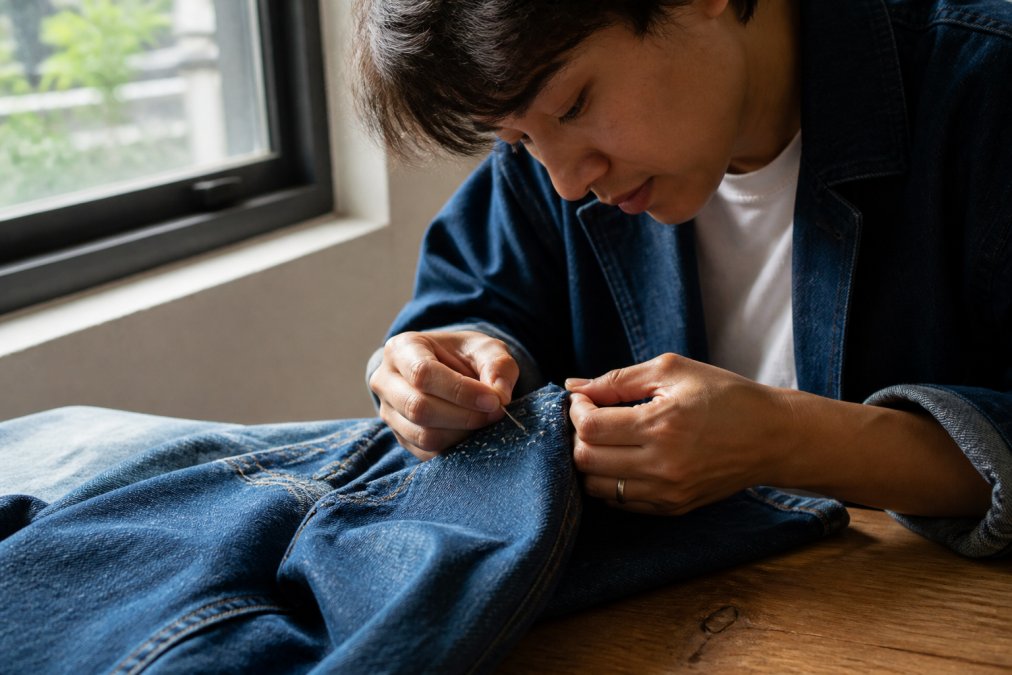
Wash less frequently to preserve fabric integrity and reduce water consumption. Most denim benefits from spot-cleaning stains rather than full washing. Air drying extends fiber life compared to machine drying, which creates mechanical stress. When washing is necessary, use cold water and gentle cycles. These simple adjustments can extend garment life by years.
Repair minor damage immediately rather than allowing it to worsen. A small hole grows into a large tear if left unaddressed. A loose seam becomes a structural failure if ignored. Basic hand-sewing skills allow you to address most damage in minutes. Learning to darn, patch, and reinforce seams transforms your relationship with clothing from disposable to durable.
Upcycling transforms worn garments into new pieces rather than discarding them. Denim's durability makes it ideal for upcycling projects. Worn jeans become tote bags, patches for other garments, or cut-down shorts. Damaged sections can be removed and replaced with contrasting fabric. These projects extend garment life while creating unique, personalized pieces.
Professional alteration services offer another avenue for extending garment life. Taking in a pair of pants that no longer fits keeps them wearable rather than relegated to a donation pile. Replacing worn hems or reinforcing stress points restores functionality to beloved pieces.
The cumulative impact of these practices is substantial. A pair of sustainable denim worn 300 times with proper care, repair, and potential upcycling represents an extraordinarily low environmental cost per wear. This extended lifecycle justifies the initial investment in quality sustainable materials.
Eco-Friendly Alternatives to Traditional Denim Worth Your Investment
The market now offers numerous eco-friendly alternatives to traditional denim that deliver on both sustainability and style. Identifying which options align with your priorities requires understanding the distinct characteristics of each category.
Organic cotton denim remains the most accessible entry point for sustainable fashion. It delivers familiar aesthetics and comfort while eliminating pesticide exposure and reducing water consumption. BALIVENO's organic cotton collection, including the Organic Cotton Baby Bodysuit at $25 and Eco Heavyweight Tee at $49.96, demonstrates how organic materials work across the entire wardrobe, from children's clothing to statement pieces.
Hemp denim suits consumers prioritizing maximum durability and minimal water use. The textured appearance appeals to those embracing visible sustainability in their style. Hemp's natural antimicrobial properties make it ideal for active wear and warm climates.
Linen blends serve warm-weather needs while offering excellent breathability and rapid biodegradability. These fabrics work particularly well for summer pants, shorts, and lightweight layers. The natural fiber content ensures complete environmental decomposition at end-of-life.
Recycled fiber blends balance sustainability with familiar fabric performance. These alternatives appeal to consumers wanting to support circular economy principles while maintaining conventional denim aesthetics. The growing availability of recycled content options makes this category increasingly accessible.
| Fabric Type | Water Usage | Durability | Best For | End-of-Life |
|---|---|---|---|---|
| Organic Cotton | Moderate | High | All seasons | Biodegradable |
| Hemp | Very Low | Very High | Durability seekers | Biodegradable |
| Linen Blend | Low | Moderate | Warm weather | Biodegradable |
| Recycled Fibers | Very Low | High | Circular economy | Mixed |
The choice between these options depends on your climate, wear patterns, and sustainability priorities. Someone in a warm climate might prioritize linen blends for breathability. A minimalist building a capsule wardrobe might choose organic cotton for versatility. An outdoor enthusiast might select hemp for maximum durability.
Choosing eco-friendly alternatives to traditional denim represents a meaningful shift toward sustainable fashion without sacrificing style or comfort. The options available today deliver durability, aesthetic appeal, and genuine environmental benefits. BALIVENO FASHION HOUSE LTD's commitment to organic cotton and recycled fiber materials demonstrates how premium sustainable basics can become wardrobe foundations. Start by evaluating your priorities, whether maximum durability, minimal water use, or circular economy support, then select the alternative that aligns with your values. Your wardrobe can reflect both your personal style and your environmental commitment.
Frequently Asked Questions
Q: What are the most sustainable fabric alternatives to denim?
A: Hemp denim uses significantly less water than conventional cotton and requires no pesticides. Linen offers durability and biodegradability. Recycled fibers divert post-consumer and deadstock waste from landfills. Organic cotton, when certified under GOTS (Global Organic Textile Standard), eliminates synthetic pesticides and uses regenerative agriculture methods. Each alternative reduces environmental impact differently, choose based on water conservation, carbon footprint, or circularity priorities.
Q: How can I identify truly ethical and sustainable clothing brands?
A: Look for third-party certifications: GOTS for organic cotton, Fair Trade for labor practices, and OEKO-TEX Standard 100 for chemical safety. Transparent brands publish supply chain details, factory locations, and labor standards publicly. Check if they disclose water usage, carbon footprint, or chemical dyes used. Avoid vague claims like 'eco-friendly' without supporting documentation. Ethical brands often explain their sourcing, manufacturing locations, and worker conditions on their website.
Q: Why is traditional denim production considered environmentally harmful?
A: Conventional denim relies on cotton grown with synthetic pesticides and fertilizers, consuming vast amounts of water, approximately 2,700 liters per pair. Toxic chemical dyes and indigo processing pollute waterways. The production generates significant carbon emissions and often involves labor practices with poor working conditions. Synthetic blends shed microplastics during washing. Deadstock fabric waste compounds the problem. These cumulative impacts make traditional denim one of fashion's most resource-intensive materials.
Q: What's the real difference between organic cotton and conventional denim in terms of durability?
A: Organic cotton denim can be equally durable as conventional when constructed with quality techniques like double-needle stitching and proper fabric weight. The difference lies in longevity: organic cotton resists yellowing from chemical residues and maintains color vibrancy longer. Conventional denim may fade faster due to synthetic dye processes. Durability depends more on construction quality and care practices than fiber type alone. Premium organic cotton pieces often outlast cheaper conventional alternatives.
This article was written using GrandRanker

EXPLORE THE BALIVENO EDIT
Continue the story
Discover a BALIVENO piece or collection related to the ideas in this article.
£73.84
Baliveno Vintage Wash Denim Jeans Explore mens clothing

