

Table of Contents
- What Makes a Fabric Sustainable?
- 1. Organic Cotton: The Foundation of Sustainable Fabrics
- 2. Hemp: Durability Meets Low Environmental Impact
- 3. Linen: Breathable and Naturally Biodegradable
- 4. Recycled Polyester: Giving Plastic a Second Life
- 5. Tencel and Lyocell: Regenerated Fibers with Closed-Loop Production
- How to Identify Ethical Fashion Brands
- Caring for Sustainable Clothing to Maximize Durability
- Sustainable Fabrics Comparison
- Building a Sustainable Everyday Wardrobe
- Frequently Asked Questions
Last Updated: August 31, 2026
What Makes a Fabric Sustainable?
Sustainable fabrics are textiles produced with minimal environmental impact, prioritizing resource efficiency, ethical labor practices, and end-of-life biodegradability or recyclability. The definition encompasses how the material is grown, processed, manufactured, and eventually disposed of.
At Baliveno Fashion House Ltd, we've identified three core factors that separate sustainable fabrics from greenwashing: resource consumption during production, chemical use and processing methods, and the fabric's durability and end-of-life potential.
Most people assume "eco-friendly" means organic, but that's incomplete. A fabric can be organic yet require massive water consumption or toxic dyes. Conversely, recycled polyester might use less water than organic cotton but take 200 years to decompose. No single fabric wins across every metric; each involves trade-offs.

What matters most is matching the fabric to your actual use case. A durable linen shirt worn for a decade has a lower environmental cost-per-wear than a cheaper synthetic that falls apart after two seasons, even if the synthetic required less water upfront.
1. Organic Cotton: The Foundation of Sustainable Fabrics
Organic cotton is grown without synthetic pesticides, herbicides, or genetically modified seeds, using regenerative agriculture practices that rebuild soil health. For everyday basics, it remains one of the most accessible sustainable choices.
Conventional cotton farming uses roughly 16% of the world's insecticides despite occupying only 2.5% of global cropland. Organic systems eliminate this chemical load entirely, reducing water contamination and protecting farmworker health. The soil retains more organic matter, improving water retention and reducing irrigation needs over time.
Baliveno's Organic Cotton T-Shirt exemplifies this approach. Crafted from certified organic cotton at 155 g/m², it delivers softness and breathability while maintaining genuine sustainability credentials. Produced in a renewable energy-powered factory audited for social and sustainability standards, it's printed with low-waste technology and available in 11 versatile colorways.
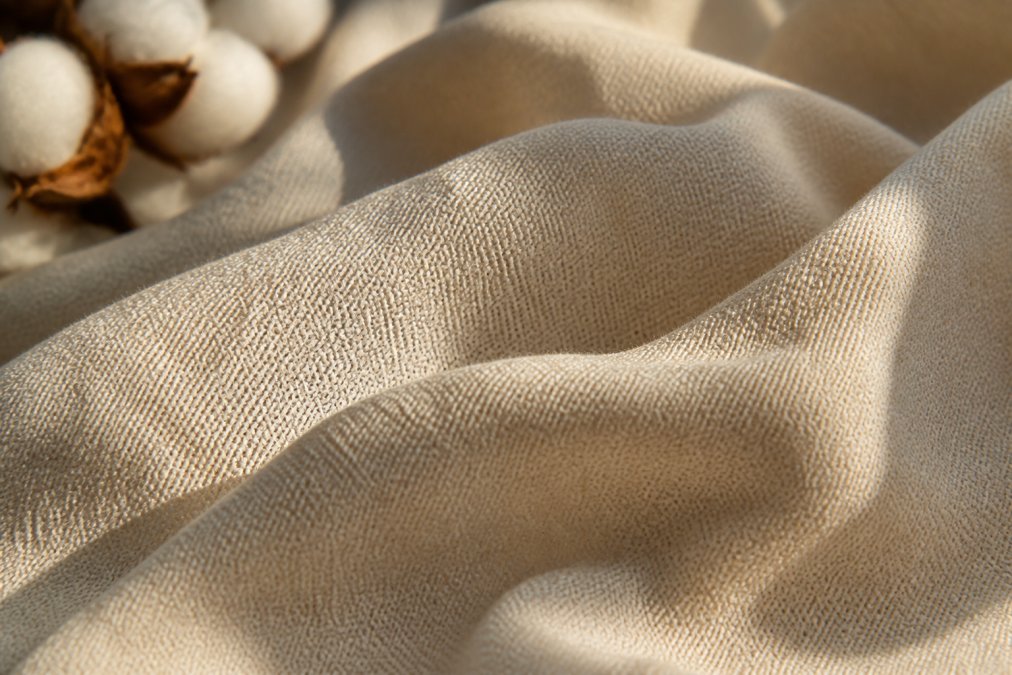
Organic cotton's sustainability depends heavily on water availability in the region where it's grown. In areas with abundant rainfall, it's genuinely low-impact. In arid regions, even organic cotton requires significant irrigation. The production location matters as much as the certification.
Washing cool and hang-drying preserves both fabric and print, extending the garment's lifespan. A shirt worn for five years instead of two cuts its cost-per-wear impact by 60%.
2. Hemp: Durability Meets Low Environmental Impact
Hemp is one of the most resource-efficient fibers available. It requires minimal water, no pesticides, regenerates soil nitrogen naturally, and grows in diverse climates without depleting land. A single hemp plant produces more fiber per acre than cotton, making it extraordinarily efficient.
Pure hemp fabric feels stiffer initially, with a more textured hand than cotton. Hemp-cotton blends give you the durability and low-impact production of hemp with the softness of cotton. Hemp also biodegrades completely, unlike synthetic fibers that shed microplastics with every wash.
Hemp cultivation doesn't deplete soil; it actually improves it. The plant grows aggressively enough to suppress weeds, eliminating the need for herbicides. Water consumption is minimal compared to cotton. Processing hemp does require chemicals, but closed-loop production systems are becoming standard, meaning those chemicals are captured and reused rather than released into waterways.
Hemp pieces work best as layering items or structured garments. A hemp jacket will outlast almost anything else in your closet.
3. Linen: Breathable and Naturally Biodegradable
Linen comes from flax plants and is one of the oldest fibers still in common use. It requires virtually no pesticides, thrives in cool climates with moderate rainfall, and produces almost zero waste, the entire plant gets used.
The fabric is breathable, naturally moisture-wicking, and becomes softer with every wash. Linen wrinkles easily, which some embrace as part of its charm. For warm climates and summer wear, linen is nearly unbeatable.
What makes linen genuinely sustainable is its complete biodegradability. Linen garments decompose in months, not decades. Flax grows primarily in Europe and North America, so transportation distances are often short. The processing requires water and chemicals, but flax cultivation itself demands so little that the overall impact remains low. Closed-loop production facilities are increasingly common, capturing and treating chemical runoff.
4. Recycled Polyester: Giving Plastic a Second Life
Recycled polyester takes post-consumer plastic, typically from bottles, and transforms it into fiber. Baliveno's Eco Heavyweight Tee uses recycled polyester blended with organic cotton, with each shirt diverting approximately four plastic bottles from landfills.

Recycled polyester keeps waste out of oceans and landfills while reducing demand for virgin polyester production, which is petroleum-intensive. However, recycled polyester still sheds microplastics during washing, just like virgin polyester. The fiber itself is recycled, but its performance characteristics remain identical to virgin polyester, including the microplastic issue.
The carbon footprint of recycled polyester is significantly lower than virgin polyester. Recycling requires less energy than extracting and processing crude oil. For performance-oriented wear, activewear, outerwear, or pieces needing durability and stretch, recycled polyester makes sense.
The real win comes when recycled polyester is blended with natural fibers like organic cotton. Baliveno's Unisex Organic Sweatshirt combines 80% organic cotton with 20% recycled polyester, creating a piece that's both durable and substantially biodegradable.
5. Tencel and Lyocell: Regenerated Fibers with Closed-Loop Production
Tencel and Lyocell are regenerated cellulose fibers made from sustainably managed wood pulp. The production process dissolves the pulp in a solvent, then regenerates it into fiber. The key difference from older viscose: closed-loop production captures and recycles 99% of the solvent, preventing chemical release into waterways.
Lyocell requires significantly less water than cotton and uses a non-toxic solvent that's recycled rather than discharged. The fiber is biodegradable, soft, and breathable. Closed-loop production facilities are expensive, and only a handful of mills worldwide operate at this standard. Most viscose still uses open-loop processes that release solvents into the environment. When shopping, the distinction matters: Lyocell and Tencel are closed-loop; generic viscose often isn't.
Lyocell fabric drapes beautifully, feels soft against skin, and handles moisture well. It works for everything from everyday shirts to dresses and activewear. The production is energy-intensive, but when paired with renewable energy sources, the overall footprint becomes competitive with organic cotton. Lyocell doesn't pill easily and resists shrinkage better than some natural fibers.
How to Identify Ethical Fashion Brands
Sustainability claims mean nothing without transparency. Here's how to separate genuine commitment from marketing.
Look for third-party certifications. GOTS (Global Organic Textile Standard) for organic cotton, Fair Trade certification for labor practices, and OEKO-TEX Standard 100 for chemical safety are the most credible. These involve independent audits and ongoing compliance checks. Baliveno's Organic Cotton Bucket Hat carries GOTS certification and OEKO-TEX Standard 100 certification, meaning the claims are verified by external bodies.
Check supply chain transparency. Ethical brands publish information about where fabrics are sourced and where production happens. They name specific factories or regions. If a brand says "ethically made" but won't tell you where or how, that's a red flag. Vague claims like "sustainable practices" without specifics are marketing language, not evidence.
Examine durability and care instructions. Truly sustainable brands design for longevity. They provide detailed care instructions, offer repair services, or use materials known to last. A brand that encourages cool water washing and hang drying is betting on durability.
Research labor practices. Fair wages, reasonable hours, and safe working conditions matter as much as environmental impact. Baliveno's pieces are produced in renewable energy-powered facilities audited for social and sustainability standards, demonstrating this transparency.
Watch for greenwashing. Words like "eco-friendly," "natural," and "sustainable" have no legal definition. Actual sustainability involves specific practices, measurable impact, and third-party verification.
Caring for Sustainable Clothing to Maximize Durability
The most sustainable garment is the one you actually wear. Proper care extends lifespan dramatically, which is where the real environmental win happens.
Wash less frequently. Most garments don't need washing after every wear. Spot-clean stains, air out pieces between wears, and wash only when necessary. This reduces water use, chemical exposure, and fiber stress. For items like jeans or sweaters, washing once every 5-10 wears is reasonable.
Use cold water. Washing in cold water uses 90% less energy than hot water and is gentler on fibers. Modern detergents work effectively in cold water. Baliveno's care instructions recommend cool water specifically to preserve fabric and print durability.
Hang dry instead of tumble drying. Machine drying is one of the most energy-intensive steps in garment care. Hanging to dry uses zero energy and is gentler on fibers. Elastic, prints, and delicate construction all last longer with air drying.
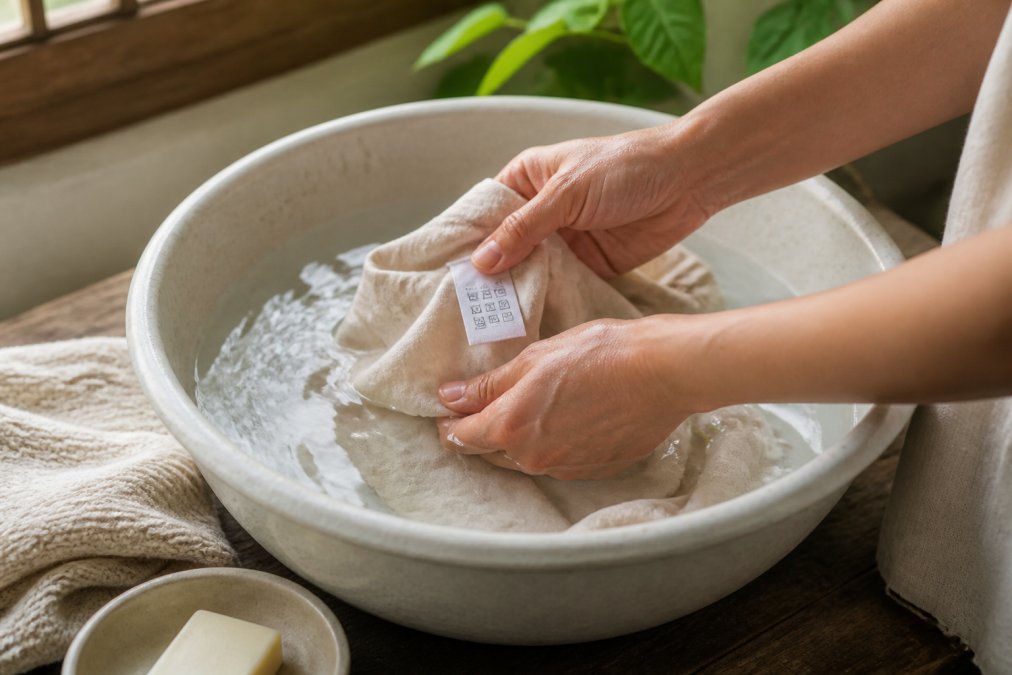
Choose gentle detergents. Harsh chemicals can degrade fibers and contribute to microplastic shedding. Gentle, plant-based detergents clean effectively without damage. Avoid fabric softeners, which coat fibers and reduce absorbency and breathability.
Store thoughtfully. Fold rather than hang pieces that lose shape easily. Use cedar or lavender sachets instead of mothballs. Proper storage prevents damage that leads to premature replacement.
Repair rather than replace. A small hole, loose seam, or missing button doesn't require discarding the garment. Learning basic repair skills, or having a tailor handle it, extends lifespan by years. Baliveno's pieces are designed with quality construction that makes repair straightforward.
Understand end-of-life options. Natural fibers like organic cotton, linen, and Lyocell can be composted or will biodegrade in landfills. Synthetic blends should be donated if wearable, or sent to textile recycling programs if damaged.
Sustainable Fabrics Comparison
| Fabric | Water Use | Pesticides | Biodegradability | Durability | Best For |
|---|---|---|---|---|---|
| Organic Cotton | Moderate | None | Fully biodegradable | Good | Everyday basics, versatile wear |
| Hemp | Low | None | Fully biodegradable | Excellent | Structured pieces, workwear |
| Linen | Low | Minimal | Fully biodegradable | Very good | Warm-weather wear, summer clothing |
| Recycled Polyester | Low | N/A | Slow (200+ years) | Excellent | Performance wear, blended pieces |
| Lyocell | Low | N/A | Fully biodegradable | Good | Versatile everyday wear, draping pieces |
Building a Sustainable Everyday Wardrobe
The most practical approach combines multiple sustainable fabrics based on use case. Organic cotton for everyday basics, hemp or linen for warm weather, recycled polyester blends for durability, and Lyocell for versatility.
Baliveno's collection demonstrates this balance. The Organic Cotton T-Shirt serves as your foundation piece, soft, breathable, and certified sustainable. The Unisex Organic Sweatshirt blends organic cotton with recycled polyester for durability and warmth. The Denim Sherpa Jacket uses sturdy cotton denim with recycled polyester sherpa lining, creating a piece built to last decades.

The key is intentionality. Buy fewer pieces that you genuinely love and will wear repeatedly. Invest in quality construction and timeless design. Prioritize durability over trend-chasing. This approach, thoughtful curation, proper care, and long-term wear, is the most sustainable choice regardless of fabric.
Frequently Asked Questions
What is the most sustainable clothing fabric currently available?
Organic cotton ranks among the top choices because it's grown without synthetic pesticides or fertilizers, reducing chemical runoff and soil degradation. Linen and hemp also excel due to their minimal water needs and biodegradable nature. Recycled polyester diverts plastic waste from landfills, though natural fibers generally have lower overall environmental impact. The best choice depends on your priorities: water conservation, carbon footprint, or waste reduction. Each sustainable fabric for everyday wear offers distinct environmental benefits.
How can you identify ethical fashion brands when shopping for sustainable fabrics?
Look for third-party certifications like GOTS (Global Organic Textile Standard), OEKO-TEX Standard 100, or Fair Trade labels on product tags. Ethical brands transparently share their supply chain details, manufacturing locations, and labor practices. Check their websites for sustainability reports or impact statements. Ask questions about factory audits, worker wages, and production processes. Brands that openly discuss their environmental and social standards, and acknowledge areas for improvement, tend to be more trustworthy than those making vague eco-claims without verification.
Why do sustainable fabrics cost more than conventional options?
Sustainable fabrics involve higher production costs because they require certified organic farming, renewable energy-powered facilities, and fair labor practices. Conventional fabrics externalize environmental and social costs that sustainable producers actively minimize. However, sustainable fabrics typically last longer due to superior quality, meaning cost-per-wear becomes competitive or even lower. A durable organic cotton piece worn for years outvalues a cheaper synthetic garment that deteriorates quickly. Premium pricing reflects genuine environmental responsibility and durability, not just marketing.
Which sustainable fabrics are best for sensitive skin?
Organic cotton and linen are excellent for sensitive skin because they're grown without harsh pesticides and processed with fewer chemicals. These natural fibers are hypoallergenic, breathable, and less likely to trigger irritation. Tencel and Lyocell, made from sustainably harvested wood pulp, are also gentle on skin and naturally moisture-wicking. Avoid conventional synthetic fabrics, which often retain chemical residues from dyeing and finishing. When choosing sustainable clothing for sensitive skin, prioritize certifications like OEKO-TEX Standard 100, which guarantees low chemical content.
How do you care for sustainable clothing to maximize its lifespan?
Wash sustainable fabrics in cool water on gentle cycles to preserve fibers and reduce microplastic shedding. Air-dry whenever possible instead of using high heat, which weakens natural fibers. Turn garments inside out before washing to minimize pilling and fading. Avoid chlorine bleach and opt for oxygen-based alternatives. Store pieces flat or on hangers in a cool, dry space away from direct sunlight. Proper care extends the life of sustainable clothing significantly, amplifying the environmental benefit and improving your cost-per-wear value.
Ready to build a sustainable wardrobe? Baliveno Fashion House Ltd offers premium sustainable clothing designed for lasting wear. Our pieces blend organic cotton, recycled materials, and ethical production to create garments you'll reach for confidently every day. Shop our Best Sellers and discover everyday essentials that feel as good as they do responsibly made.
This article was written using GrandRanker
EXPLORE THE BALIVENO EDIT
Continue the story
Discover a BALIVENO piece or collection related to the ideas in this article.
BALIVENO Sustainability & Our Impact Explore BALIVENO clothing

