

Table of Contents
- What Ethical Manufacturing Practices Actually Mean
- How to Identify Ethical Fashion Brands
- Certifications for Ethical Clothing Brands
- Fair Labor Standards in Apparel Manufacturing
- Supply Chain Transparency and Traceability
- The Environmental and Social Impact of Ethical Choices
- Building a Wardrobe That Aligns With Your Values
Last Updated: August 18, 2026
What Ethical Manufacturing Practices Actually Mean
Ethical manufacturing practices in fashion refer to deliberate implementation of systems, standards, and processes that ensure garments are produced responsibly, protecting workers, minimizing environmental harm, and maintaining transparency throughout the supply chain. At BALIVENO FASHION HOUSE LTD, we understand that true luxury goes beyond aesthetics; it encompasses the entire journey from fiber to finished piece.
Ethical manufacturing encompasses several interconnected dimensions: fair labor practices ensuring living wages and safe working conditions; sustainable sourcing prioritizing materials that reduce environmental impact; supply chain transparency allowing verification of every production step; and environmental responsibility addressing carbon footprint, water conservation, and waste minimization. What separates ethical manufacturers from conventional producers is accountability, many brands make sustainability claims without substantiation, while ethical manufacturers invite scrutiny, maintain detailed supply chain mapping, and submit to third-party auditing.
How to Identify Ethical Fashion Brands
Identifying truly ethical fashion brands requires looking beyond marketing language to examine actual practices and verifiable certifications. The most reliable indicator is transparency: brands that openly document their supply chain, manufacturing locations, and labor standards demonstrate genuine commitment.
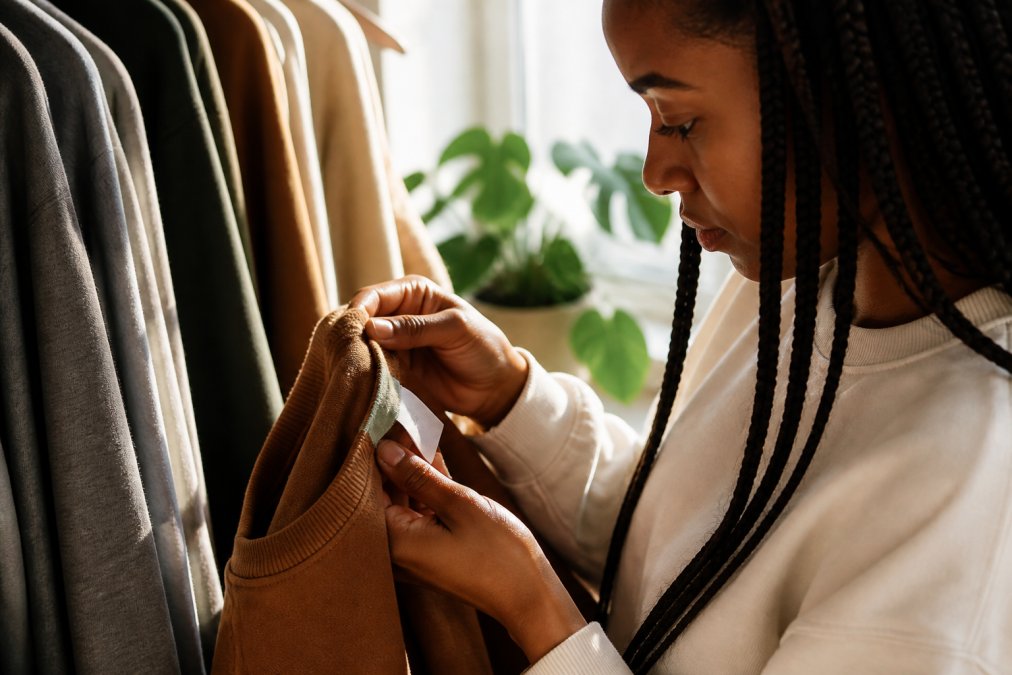
Start by investigating supply chain transparency. Request information about manufacturing facilities, locations, and worker conditions. Ethical brands maintain this data and share it readily. Look for published factory lists, auditing reports, and third-party verifications. Many brands now use blockchain or digital traceability systems to track materials from source to finished product.
Examine the brand's commitment to fair labor practices. Do they publicly state wage standards? Many ethical manufacturers exceed minimum wage requirements, ensuring workers earn living wages. Check whether the brand conducts independent audits of working conditions and publishes audit results.
Material sourcing reveals another critical dimension. Ethical brands prioritize organic textiles, recycled fabrics, and responsibly harvested materials, clearly communicating fiber content and sourcing origins. Consider the brand's longevity claims, ethical brands emphasize durability and timeless design. BALIVENO FASHION HOUSE LTD exemplifies this approach, crafting premium essentials engineered for durability and refined style that transcends seasonal trends.
Verify certifications from recognized third-party organizations. Legitimate certifications require independent auditing and ongoing compliance monitoring, they're genuine accountability markers, not marketing badges.
:::pro When evaluating a brand's transparency claims, request specific documentation rather than accepting general statements. The willingness to provide detailed supply chain information, auditing reports, and material certifications separates committed ethical manufacturers from brands performing sustainability without substance. :::
Certifications for Ethical Clothing Brands
Third-party certifications provide standardized verification of ethical manufacturing practices, offering consumers reliable indicators beyond brand claims. These certifications require independent auditing, ongoing monitoring, and compliance with established standards.
Fair Trade Certified marks ensure workers receive fair compensation, work in safe conditions, and have access to community development programs. Fair Trade auditing covers wages, working hours, freedom of association, and child labor prevention.
Global Organic Textile Standard (GOTS) certification addresses both environmental and social responsibility in textile production, requiring organic fiber sourcing, strict chemical restrictions, and comprehensive supply chain auditing from farming through manufacturing.
The Responsible Wool Standard (RWS) certifies ethical wool production, verifying animal welfare standards and responsible land management. B Corp Certification represents a comprehensive approach to ethical business practices, assessing environmental impact, labor practices, community engagement, and transparency across entire business operations.
SA8000 (Social Accountability) certification focuses specifically on labor standards, auditing working conditions, wages, working hours, freedom of association, and child labor prevention. The OEKO-TEX Standard 100 certification ensures textiles are free from harmful substances, protecting both workers during production and consumers wearing finished garments.
Look for brands displaying multiple relevant certifications, as this indicates comprehensive ethical commitment rather than selective compliance with a single standard.
Fair Labor Standards in Apparel Manufacturing
Fair labor standards form the ethical foundation of responsible garment production, addressing wages, working hours, workplace safety, and worker rights.
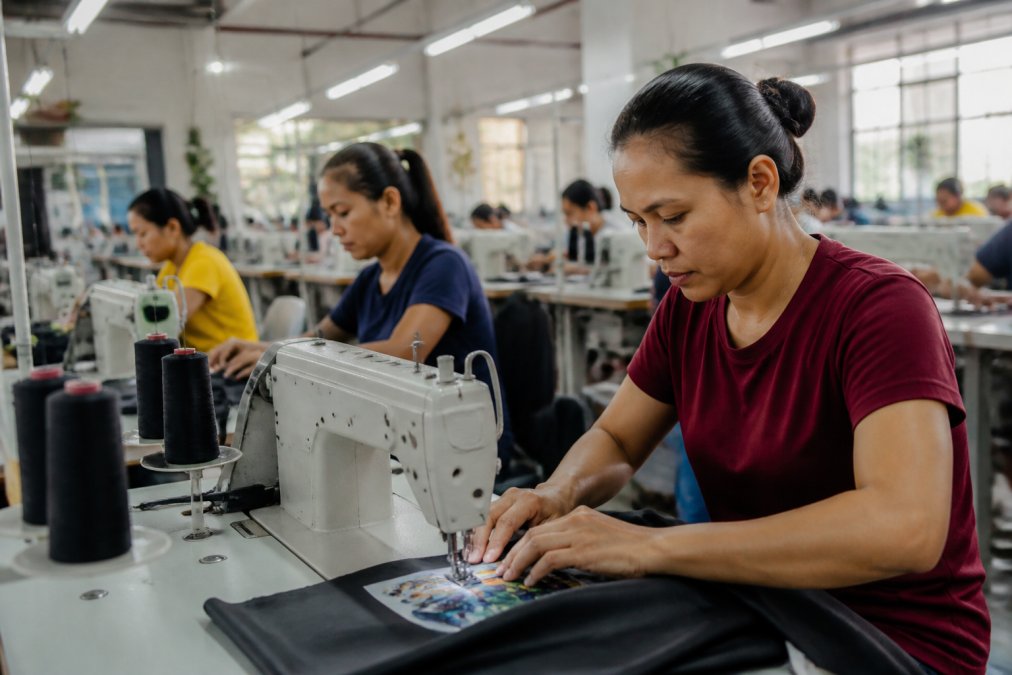
Living wage standards represent the most fundamental requirement. Many manufacturing regions operate with minimum wages insufficient for basic living expenses. Ethical manufacturers establish wage floors above local minimums, ensuring workers can afford housing, food, healthcare, and education. This commitment directly impacts production costs and explains why ethically manufactured clothing typically costs more than fast fashion alternatives.
Working hours regulation protects against exploitation common in conventional manufacturing. Ethical standards typically limit regular working hours to 48 per week, with mandatory rest periods and overtime compensation. During peak seasons, many ethical manufacturers implement strict limits on overtime, preventing exhaustion-driven mistakes.
Workplace safety standards address hazardous conditions endemic to conventional garment manufacturing. Proper ventilation systems, chemical safety protocols, ergonomic workstations, and emergency procedures protect workers from injury and illness. Freedom of association enables workers to organize collectively, negotiate conditions, and voice concerns without retaliation. Child labor prevention represents a non-negotiable standard, with age verification systems, school access, and prohibition of hazardous work for anyone under 18.
Many ethical manufacturers offer enhanced benefits like healthcare coverage, retirement contributions, and professional development opportunities, reflecting recognition that worker wellbeing directly correlates with product quality and long-term sustainability.
Supply Chain Transparency and Traceability
Supply chain transparency enables customers to verify ethical claims by tracking materials and production through every stage. Modern traceability systems use blockchain technology to create immutable records of material movement from source through finished product. QR codes on garment tags link to detailed production information, including factory locations, worker conditions, and material sourcing.
Transparent manufacturers publish detailed supply chain maps identifying every facility involved in production, including factory locations, worker counts, production capabilities, and audit status. Material sourcing transparency requires documenting fiber origins and production methods, preventing greenwashing by verifying that sustainability claims are substantiated.
Worker feedback mechanisms represent another critical transparency element. Ethical manufacturers implement confidential channels allowing workers to report safety concerns, wage disputes, or other issues without fear of retaliation. Third-party auditors interview workers privately, gathering information beyond what official inspections reveal.
Regular public reporting on supply chain conditions demonstrates accountability. Ethical brands publish annual sustainability reports detailing labor practices, environmental metrics, worker feedback, and improvement initiatives, revealing ongoing challenges rather than presenting perfected compliance.
The Environmental and Social Impact of Ethical Choices
Choosing ethically manufactured clothing generates measurable environmental and social benefits that extend far beyond individual purchase decisions. Conventional fashion manufacturing generates substantial environmental damage, textile production consumes approximately 2,700 liters of water per cotton t-shirt from fiber through finished garment, while conventional cotton farming relies heavily on pesticides that contaminate soil and water supplies.
Ethical manufacturers address these impacts through organic material sourcing, water-efficient production processes, low-impact dyes, and carbon footprint reduction initiatives. The social impact extends to worker communities: fair wages enable workers to afford healthcare, education, and housing; safe working conditions reduce injury rates; and worker voice creates pathways for continuous improvement. Many ethical manufacturers fund educational programs, healthcare initiatives, and infrastructure improvements in manufacturing communities.
Individual choices compound across millions of consumers. When you choose ethically manufactured clothing, you signal market demand for responsible production. Brands respond by expanding ethical lines, pressuring suppliers to improve standards, and investing in sustainable innovation, driving systemic change more effectively than regulation alone.
Building a Wardrobe That Aligns With Your Values
Creating a wardrobe reflecting ethical values requires intentional choices about quantity, quality, and brand selection, moving away from fast fashion's disposability toward sustainable consumption patterns.
Start by assessing your actual needs. Ethical wardrobing begins with honest evaluation: what do you actually wear? What gaps exist in your current collection? This clarity prevents impulse purchases that sit unworn.
Quality and durability become primary selection criteria. Pieces designed to last years rather than seasons provide better value despite higher upfront costs. Examine construction details: are seams reinforced? Does the fabric feel substantial? Premium materials and careful construction indicate pieces engineered for longevity. BALIVENO FASHION HOUSE LTD exemplifies this durability commitment, crafting timeless essentials engineered to maintain their refined appearance through years of regular wear.
Versatility multiplies the value of each piece. Choose colors and styles that coordinate with existing items, allowing multiple outfit combinations from fewer pieces. Neutral tones, classic silhouettes, and unisex designs maximize versatility while transcending seasonal trends.
Research brand practices before purchasing. Investigate supply chain transparency, labor standards, material sourcing, and third-party certifications. Consider cost-per-wear calculations: a $150 piece worn 100 times costs $1.50 per wear, while a $30 piece worn 10 times costs $3 per wear. Ethical clothing's higher upfront cost becomes economical when pieces remain in regular rotation for years.
Build gradually rather than purchasing entire wardrobes at once. Identify essential pieces filling functional gaps, then add items that create outfit combinations with existing clothing. Care practices extend garment lifespan significantly, proper washing techniques, cold water, gentle cycles, air drying, and prompt stain treatment prevent premature wear.
Building an ethical wardrobe represents a fundamental shift from viewing clothing as disposable commodities toward recognizing garments as durable investments reflecting your values. When you prioritize ethical manufacturing practices, fair labor standards, and sustainable materials, you're choosing pieces designed for longevity and crafted responsibly. BALIVENO FASHION HOUSE LTD's curated collection of premium, sustainable essentials exemplifies this commitment, offering timeless pieces engineered for durability, comfort, and refined style that endure through years of confident daily wear. Explore BALIVENO FASHION HOUSE LTD's collection of ethically manufactured basics and discover how intentional wardrobe choices align with both your values and your lifestyle.
Frequently Asked Questions
What defines ethical manufacturing practices in the fashion industry?
Ethical manufacturing practices in fashion encompass fair wages, safe working conditions, reasonable hours, environmental responsibility, and supply chain transparency. Brands practicing ethical manufacturing ensure workers earn living wages, have access to health and safety protections, work within legal hour limits, and use sustainable materials and processes. These practices address human rights, worker dignity, and environmental impact across the entire production cycle.
How can I verify if a fashion brand uses ethical manufacturing?
Check for third-party certifications like Fair Trade, GOTS (Global Organic Textile Standard), or B Corp status. Request supply chain transparency reports, many ethical brands publish factory lists and audit results. Look for detailed information about material sourcing, labor practices, and environmental commitments. Ask brands directly about their manufacturing locations, worker wages, and certification status. Brands with nothing to hide provide specific, verifiable answers.
What certifications should I look for when choosing ethical clothing brands?
Prioritize Fair Trade Certified, which guarantees fair wages and working conditions; GOTS (Global Organic Textile Standard), which covers organic materials and social responsibility; B Corp Certification, indicating overall social and environmental performance; and SA8000, which audits labor practices. Bluesign and OEKO-TEX certify chemical safety in production. Certifications from independent third parties carry more weight than brand-created labels, as they involve external auditing and accountability.
Why does ethical manufacturing matter for the environment and workers?
Ethical manufacturing reduces water contamination, soil degradation, and greenhouse gas emissions by using sustainable sourcing and responsible production methods. For workers, it prevents exploitation, ensures fair compensation, and protects health and safety. The fashion industry historically caused severe environmental damage and worker hardship; ethical practices create accountability, reduce waste, improve resource efficiency, and support circular economy principles. Your choice directly impacts both people and the planet.
This article was written using GrandRanker


