

Table of Contents
- What Defines an Ethical Fashion Brand
- Sustainable Fashion Certifications to Look For
- How to Spot Greenwashing in Fashion
- Evaluating Supply Chain Transparency
- Assessing Labor Practices and Fair Wages
- Using Ethical Fashion Brand Directories
- Questions to Ask Before You Buy
- Conclusion
Last Updated: August 16, 2026
What Defines an Ethical Fashion Brand
An ethical fashion brand prioritizes fair labor practices, environmental responsibility, and transparency throughout its supply chain. Rather than claiming sustainability, these brands demonstrate values through verifiable practices, third-party certifications, and honest communication about how garments are made.
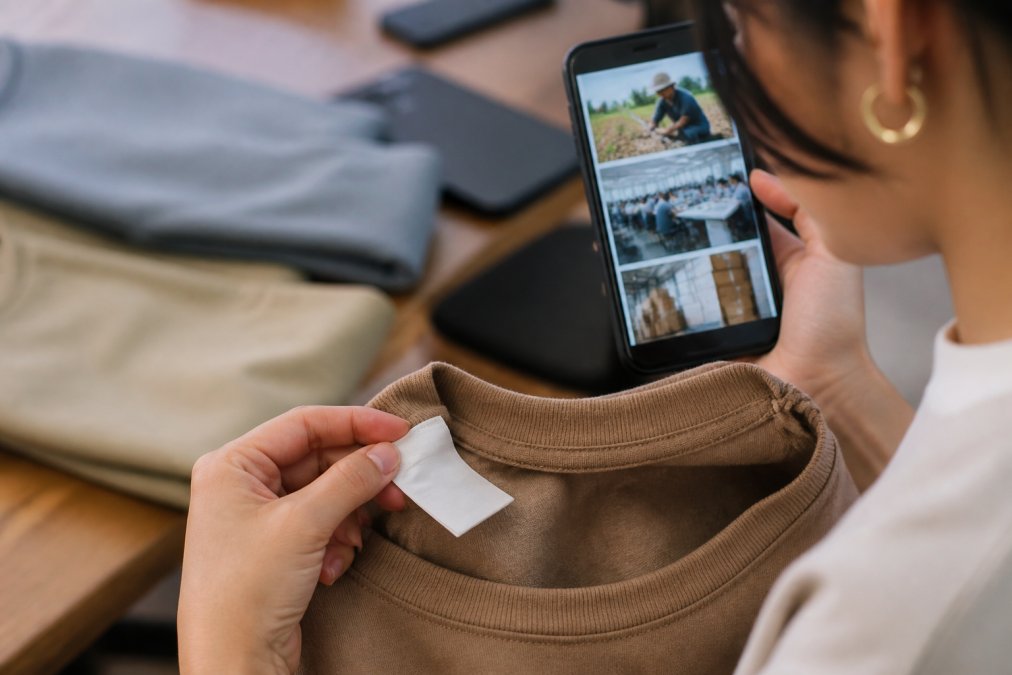
At BALIVENO FASHION HOUSE LTD, we believe ethical fashion means creating pieces that last in durability and impact. When identifying ethical fashion brands, look for companies that treat transparency as a fundamental business principle. The distinction between truly ethical brands and greenwashing comes down to accountability: real ethical fashion brands can answer specific questions about their supply chain, provide certification evidence, and acknowledge where they're still improving.
Sustainable Fashion Certifications to Look For
Third-party certifications provide independent verification that a brand meets specific environmental and social standards. However, not all certifications are equally rigorous, and some brands misrepresent their certification status.
Major Certifications and Their Scope
Fair Trade Certified ensures workers receive fair wages and work in safe conditions for cotton and natural fibers. Fair Trade USA and Fair Trade International are the primary certifying bodies, though this certification focuses on wages and working conditions rather than environmental impact.
Global Organic Textile Standard (GOTS) certifies that fabrics contain at least 95% organic fibers and meet strict environmental and social criteria throughout production. GOTS audits the entire supply chain from fiber production through manufacturing, making it one of the most rigorous certifications. It addresses fiber and fabric production but not garment manufacturing labor practices in detail.

B Corp Certification evaluates companies on social and environmental performance, accountability, and transparency. A B Corp fashion brand has undergone rigorous third-party assessment and commits to considering workers, communities, and the environment alongside profit. This company-wide certification assesses overall business philosophy, though it doesn't guarantee every product meets identical standards.
Bluesign System focuses on textile manufacturing processes, preventing toxic chemicals from entering production and reducing water pollution. This certification is particularly important for synthetic fabrics and dyes but does not address labor practices or fair wages.
Cradle to Cradle Certification evaluates materials and manufacturing across material health, material reutilization, renewable energy, water stewardship, and social fairness. This rigorous certification focuses on product lifecycle and circular design, making it valuable for assessing long-term environmental impact.
OEKO-TEX Standard 100 certifies that textiles are free from harmful substances and safe for human skin. This is a product-safety certification rather than an ethical or environmental standard, so it should not be confused with labor or sustainability certifications.
The Certification Gap: What They Don't Cover
No single certification covers all dimensions of ethical fashion. A brand might hold Fair Trade certification but lack environmental certifications. This is why ethical brands often hold multiple certifications, each addresses a different part of the supply chain. When evaluating a brand, look for layered certifications that together cover labor practices, environmental impact, and material sourcing.
How to Verify Certifications in Real Time
Brands frequently claim certifications they don't hold or display expired certifications. Here's how to verify:
Check the official registry. Most certifying organizations maintain public databases:
- Fair Trade USA at fairtradeusa.org
- GOTS certified facilities database
- B Corp directory at bcorporation.net
- Bluesign certified facilities list
- Cradle to Cradle certified products website
If a brand claims certification but doesn't appear in the official registry, that's a major red flag.
Look for certification dates and renewal status. Legitimate certifications require ongoing audits and renewal. Check when the certification was issued and when it expires. Brands that earned certification years ago but haven't renewed may no longer meet those standards.
Verify the certifying body itself. Research whether the certifying organization is independent and has transparent methodology. Established certifiers like Fair Trade USA, GOTS, and B Lab have decades of credibility. Newer certifiers may have lower standards.
Look for certification numbers or codes. Legitimate certifications include specific identification numbers you can verify in official databases. If a brand can't provide a certification number, they're likely not actually certified.
Check for third-party audit reports. Some certifications publish audit summaries. If a brand claims certification but no audit information is publicly available, ask the brand directly for documentation.
How to Spot Greenwashing in Fashion
Greenwashing happens when brands make vague environmental claims without substantive proof. Phrases like "eco-friendly," "sustainable," or "natural" sound good but mean nothing without third-party verification, specific metrics, or transparent practices.
Red Flags That Signal Greenwashing
Vague language without specifics is the most common greenwashing tactic. Real ethical fashion brands specify what they're doing and how much. Hidden supply chains reveal problematic practices, transparent brands publish supplier lists and manufacturing locations. Misleading imagery uses nature pictures or green colors to suggest sustainability without actual environmental practices. Unverified certifications or made-up labels are red flags. Disproportionate focus on one aspect while ignoring others suggests selective sustainability. Lack of supply chain disclosure is perhaps the most telling sign.
Greenwashing Detection Checklist
Use this checklist when evaluating whether a brand's sustainability claims are genuine:
- Does the brand provide specific certifications from recognized third-party organizations?
- Can you verify those certifications in official registries?
- Does the brand disclose manufacturing facility names and locations?
- Are specific materials listed with percentages?
- Does the brand publish information about worker wages and working conditions?
- Can you find independent reviews or reports about the brand's practices?
- Does the brand acknowledge areas where they're still improving?
- Are sustainability claims backed by measurable data?
- Does the brand provide traceability information for key materials?
If you can't check most of these boxes, the brand is likely greenwashing. Genuine ethical fashion brands welcome scrutiny.
Evaluating Supply Chain Transparency
Supply chain transparency means a brand can trace garments from raw materials through manufacturing to your hands. This traceability reveals whether ethical claims match actual practices.
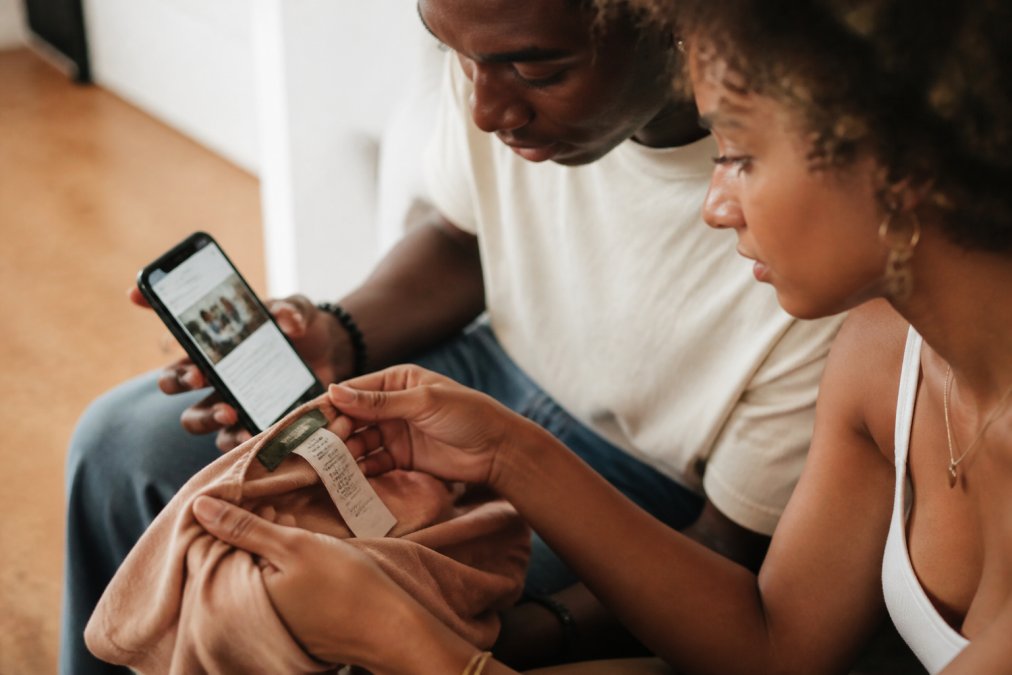
The best ethical fashion brands publish detailed information about their suppliers, including manufacturer names, locations, worker numbers, and audit results. Some brands provide digital tools that let customers scan a tag and see exactly where their specific garment was made.
Transparency also means acknowledging imperfect practices. Honest brands discuss ongoing challenges rather than claiming complete ethical perfection. This honesty signals integrity more than perfect claims ever could.
Ask whether the brand conducts independent audits of manufacturing facilities. Third-party audits provide objective verification that factories meet labor and environmental standards. Look for brands that share supply chain mapping information, showing every step of production from cotton growth through garment completion.
Assessing Labor Practices and Fair Wages
Fair wages and safe working conditions form the foundation of ethical fashion. When evaluating a brand, investigate whether workers earn living wages and work in safe environments.
Understanding Living Wages vs. Minimum Wages
Living wages differ fundamentally from minimum wages. A living wage covers basic needs, housing, food, healthcare, education, transportation, in the specific country where workers live. Minimum wage is set by law but often doesn't cover actual living costs. A worker earning the legal minimum in a developing country might still struggle to afford rent and food.
Living wage calculations are more complex. Organizations like the Global Living Wage Coalition calculate living wages for specific regions and industries. For example, a living wage in Bangladesh's garment industry might be $10-$12 per hour, while the legal minimum wage is $3-$4 per hour. Ethical brands commit to paying living wages, which typically exceeds legal minimums in developing countries by 200-400%.
When a brand claims "fair wages," ask specifically: Do they pay living wages or minimum wages? These are not the same.
How to Verify Wage Claims
Ask for specific wage amounts. Ethical brands can tell you what workers actually earn per hour or per month. Request wage information for different roles and compare it against living wage benchmarks for that country. Check for living wage benchmarks. The Global Living Wage Coalition publishes living wage estimates for garment workers in major manufacturing countries. Look for third-party wage audits. Ethical brands work with independent auditors who verify wage payments. Research the brand's supply chain countries. Wage adequacy depends on location. Ask about wage progression and benefits. Ethical brands offer paid leave, healthcare, maternity benefits, retirement contributions, or educational support.
Labor Practices Beyond Wages
Working hours and overtime. Ethical brands limit working hours to reasonable levels (typically 48 hours per week maximum) and compensate overtime fairly. Worker safety and conditions. Safe working conditions include proper ventilation, ergonomic equipment, fire safety, and access to clean water and bathrooms. Freedom of association and grievance mechanisms. Workers should be able to organize and report problems without fear of retaliation. Gender equity and protection. Women make up 80% of garment workers but often face discrimination. Ethical brands have specific policies protecting women's rights. Child labor prevention. Ethical brands have strict policies preventing child labor and verify that suppliers comply.
How to Research Labor Practices
Check brand transparency reports. Many ethical brands publish annual sustainability reports detailing labor practices, wages, working conditions, and audit results. Search for independent investigations. Organizations like the Clean Clothes Campaign, Labor Rights Advocates, and Human Rights Watch investigate garment industry practices. Look for certifications that include labor verification. Fair Trade, B Corp, and some other certifications include labor practice audits. Ask the brand directly. Contact the brand with specific questions about wages, audit coverage, worker organizing, and grievance mechanisms. Ethical brands respond promptly and transparently. Check for lawsuits or complaints. Search for the brand name plus "labor lawsuit" or "worker complaint." Patterns of labor disputes suggest systemic problems.
Using Ethical Fashion Brand Directories
Several organizations maintain directories of verified ethical fashion brands.
The Good On You directory rates fashion brands on labor practices, environmental impact, and animal welfare. You can search by brand name or filter by rating level. The Fashion Transparency Index evaluates major brands on supply chain disclosure, revealing how openly brands share information about manufacturing, materials sourcing, and labor practices. Ethical Consumer's fashion guide provides detailed assessments based on worker rights, environmental practices, and company ethics.
These directories aren't perfect, some smaller ethical brands may not yet be listed, but they provide a reliable starting point for identifying fashion brands that prioritize ethics.
Questions to Ask Before You Buy
Before purchasing from any brand, ask these specific questions:
Where is this garment made? A brand that can't answer this lacks supply chain control. Who made this garment, and what are they paid? Ethical brands can discuss worker welfare and fair compensation. What materials are used, and where do they come from? This reveals whether the brand sources sustainable materials. What certifications does this brand hold? Then verify those certifications independently. What percentage of your supply chain has been audited? Ethical brands conduct regular independent audits. How do you handle worker grievances? This reveals whether they genuinely care about worker voices. What are you still working to improve? Honest brands acknowledge areas where they're not yet perfect. Can you provide evidence of these claims? Brands with nothing to hide share documentation readily.
Identifying ethical fashion brands requires moving beyond marketing language to examine verifiable practices. When you evaluate supply chain transparency, verify certifications independently, and ask specific questions about labor practices, you gain the knowledge to make purchases aligned with your values.
BALIVENO FASHION HOUSE LTD approaches ethical fashion as a comprehensive commitment, from sourcing premium sustainable materials to ensuring fair manufacturing practices throughout our supply chain. Our pieces are designed to last, reducing the need for frequent replacement and the environmental impact that comes with fast fashion cycles. When you choose brands that prioritize ethics, you're investing in garments that deliver both quality and integrity.
Shop our best sellers and experience the difference that genuine ethical fashion makes in your wardrobe.
Frequently Asked Questions
What are the most reliable third-party certifications for ethical fashion?
Look for certifications from Fair Trade Certified, Global Organic Textile Standard (GOTS), B Corp Certified, and the Textile Exchange. These organizations conduct independent audits of labor practices, environmental standards, and supply chain transparency. Verify certifications directly on the certifying body's website rather than trusting brand claims alone. Legitimate ethical brands display certification numbers and audit reports publicly.
How can I tell if a brand is greenwashing versus genuinely ethical?
Greenwashing brands use vague terms like 'eco-friendly' or 'natural' without specific certifications or proof. Genuine ethical brands provide detailed supply chain information, third-party certifications, specific material percentages, and transparent labor audits. Check if they disclose manufacturing locations, wages paid to workers, and water usage. Brands that hide details or use only marketing language without data are likely greenwashing.
Why is supply chain transparency important when identifying ethical fashion brands?
Supply chain transparency reveals where materials are sourced, how garments are made, and who benefits from your purchase. Brands that trace every step from raw material to finished product demonstrate accountability. This transparency allows you to verify labor conditions, environmental practices, and fair compensation actually happen. Without it, brands can make ethical claims without proof.
How do I know if a brand pays fair wages to garment workers?
Ethical brands publicly disclose manufacturing locations and partner with independent auditors to verify wages meet or exceed local living standards. Look for published audit reports, wage transparency statements, and third-party certifications that include labor standards. Brands committed to fair wages often share worker stories and manufacturing facility details. If a brand refuses to disclose this information, wages likely aren't competitive.
This article was written using GrandRanker


