

Table of Contents
- Why Sustainable Fashion Matters in 2026
- The Impact of Fast Fashion on the Environment
- How to Identify Ethical Fashion Brands
- Building Capsule Wardrobe Essentials for Lasting Style
- The Cost-Per-Wear Economic Model: Why Quality Over Quantity Wins
- Spotting Greenwashing: What Sustainable Fashion Actually Means
- Legislative Shifts and the Future of Fashion Accountability
- Conclusion
Last Updated: August 17, 2026
Why Sustainable Fashion Matters in 2026
The fashion industry generates roughly 92 million tons of textile waste annually, with the average person discarding 81 pounds of clothing each year. Yet many consumers remain unaware of why sustainable fashion matters, or how their purchasing decisions ripple through supply chains, ecosystems, and communities worldwide. At BALIVENO FASHION HOUSE LTD, we believe that understanding the true cost of fast fashion is the first step toward building a wardrobe that reflects both your values and your lifestyle. This guide explores the multifaceted reasons why sustainable fashion matters today, from environmental impact to economic resilience, and shows you how to make choices that align with your conscience without compromising on quality or style.
The Impact of Fast Fashion on the Environment
Fast fashion has fundamentally reshaped how we produce, consume, and discard clothing. The model prioritizes speed and volume over durability, pushing manufacturers to cut corners on labor standards, material sourcing, and production practices. This approach generates staggering environmental consequences that extend far beyond the retail rack.
The textile industry ranks second globally for water consumption, using roughly 2,700 liters of water to produce a single cotton t-shirt. That same industry contributes approximately 10% of global carbon emissions, more than international flights and maritime shipping combined. When garments are manufactured in facilities powered by fossil fuels, transported across continents, and ultimately discarded after minimal wear, the cumulative carbon footprint becomes substantial.
Synthetic fibers like polyester shed microplastics during washing, contaminating waterways and entering the food chain. Toxic chemicals used in dyeing and finishing processes poison water supplies in manufacturing regions, often affecting communities with minimal regulatory oversight. The concept of circular economy, where materials cycle continuously rather than moving linearly from production to landfill, remains largely theoretical in mainstream fashion.
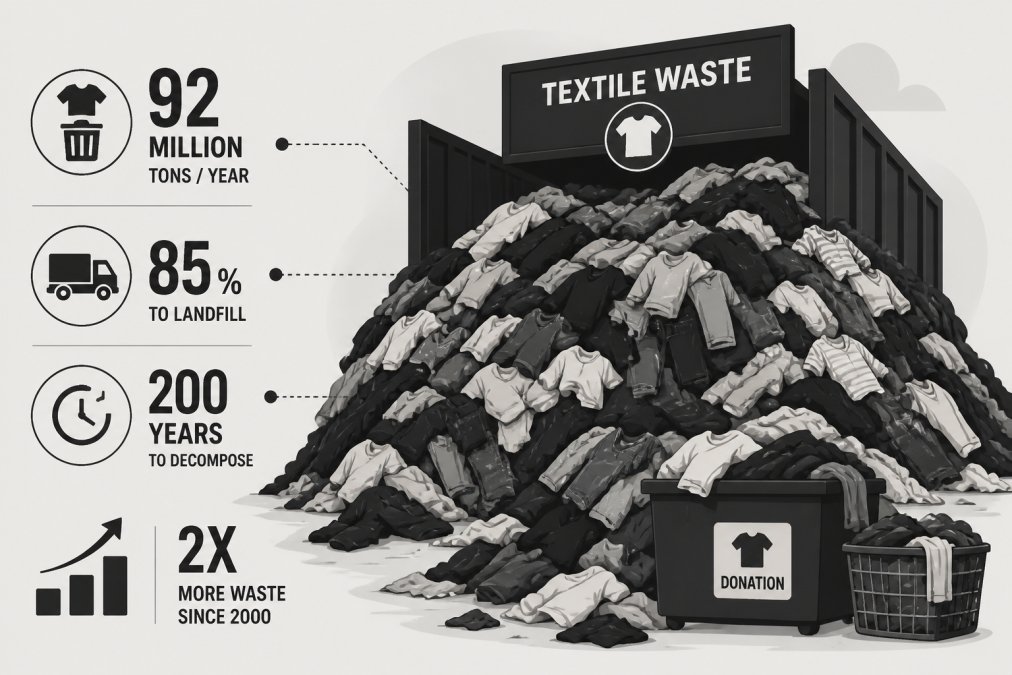
The true cost of fast fashion isn't reflected in the price tag. It's absorbed by ecosystems, workers, and future generations. Understanding this reality is essential for anyone serious about sustainable fashion matters in their own consumption patterns.
How to Identify Ethical Fashion Brands
Not all brands claiming sustainability are created equal. Learning to distinguish genuine ethical practices from marketing spin requires attention to specific, verifiable details rather than vague environmental language.
Supply Chain Transparency and Traceability
Ethical brands are willing to tell you exactly where and how their garments are made. They publish detailed information about manufacturing facilities, including factory names, locations, and worker conditions. This transparency serves as a foundation for accountability, if a brand can't or won't disclose this information, that's a red flag.
Look for brands that provide traceability documentation: proof that materials come from specific suppliers, that production happens in named facilities, and that workers are compensated fairly. Some brands publish annual impact reports detailing their supply chain audits, certifications, and improvement initiatives. These reports demonstrate a commitment to continuous accountability rather than one-time marketing claims.
BALIVENO FASHION HOUSE LTD prioritizes supply chain clarity, ensuring customers understand the journey of each piece from raw material to finished garment. When you invest in quality basics, knowing their provenance builds confidence in your purchase.
Fair Wages and Labor Conditions
Ethical fashion demands that workers earn living wages, not merely minimum wages, which often fall below subsistence levels. Legitimate brands partner with manufacturers that offer safe working conditions, reasonable hours, and freedom of association for workers.
Certifications matter here. Look for third-party validations like Fair Trade Certified, SA8000, or GOTS (Global Organic Textile Standard), which verify labor practices through independent audits. Brands that invest in worker training, healthcare, and community development demonstrate a holistic approach to ethical manufacturing.
The relationship between brand and manufacturer is equally important. Ethical companies maintain long-term partnerships with factories rather than constantly switching suppliers to chase the lowest price. Stable relationships allow manufacturers to invest in worker welfare and quality improvement rather than cutting costs through exploitation.
Material Sourcing and Chemical-Free Production
Where materials originate matters as much as how they're processed. Organic cotton, linen, and other natural fibers grown without synthetic pesticides reduce environmental harm and protect farmer health. Regenerative agriculture practices, which actively improve soil health and biodiversity, represent the highest standard for plant-based materials.
Chemical-free production means avoiding toxic dyes and finishing processes that poison water supplies. Facilities using low-impact dyes, natural finishes, and closed-loop water systems significantly reduce their environmental footprint. Some brands pursue OEKO-TEX certification, which tests finished garments for harmful substances and ensures production processes meet strict environmental standards.
The material composition itself signals ethical intent. Blended fabrics combining natural and recycled fibers often outperform pure materials in durability and environmental impact. A 70% organic cotton, 30% recycled polyester blend, for instance, reduces resource consumption while maintaining longevity.
Building Capsule Wardrobe Essentials for Lasting Style
A capsule wardrobe, a carefully curated collection of versatile, high-quality pieces that work together, is the practical antidote to fast fashion overconsumption. Rather than accumulating dozens of trendy items worn once or twice, a capsule approach prioritizes timeless basics that anchor your personal style and withstand years of wear.
The foundation of a capsule wardrobe includes neutral-toned essentials: well-fitted jeans, plain t-shirts, simple sweaters, and classic button-ups in white, black, navy, and gray. These pieces serve as the backbone, combining endlessly with each other and with statement items you add seasonally. Quality matters enormously here, a premium white cotton t-shirt from a sustainable brand will outlast five cheaper alternatives while maintaining its shape and color.


Investing in pieces designed to last requires different thinking than fast fashion shopping. Rather than asking "Is this affordable?", ask "Will this work with items I already own? Will it survive 50+ wears? Does it align with my lifestyle and body?" A $50 sweater worn 200 times costs 25 cents per wear. A $15 sweater worn five times costs $3 per wear, a far worse investment despite the lower sticker price.
The capsule approach naturally supports sustainable fashion matters because it reduces volume, extends garment lifespans, and encourages conscious purchasing. You're not buying to fill closet space; you're building a functional, cohesive wardrobe that genuinely serves your life.
The Cost-Per-Wear Economic Model: Why Quality Over Quantity Wins
The cost-per-wear calculation fundamentally changes how you evaluate clothing purchases and reveals why sustainable fashion matters economically, not just environmentally.
To calculate cost-per-wear, divide the garment's price by the number of times you'll realistically wear it. A $100 sweater worn 100 times = $1 per wear. A $20 sweater worn 10 times = $2 per wear. The expensive sweater, despite its higher upfront cost, delivers better value through durability and timeless appeal.
Quality garments justify their cost through longevity. Premium fabrics resist pilling, fading, and stretching. Better construction, reinforced seams, quality zippers, proper hems, means pieces survive repeated washing and wearing. A well-made cotton t-shirt from BALIVENO FASHION HOUSE LTD maintains its shape and color through dozens of washes, while a cheaper alternative deteriorates quickly.
| Garment Type | Quality Version | Budget Version | Cost Per Wear (Quality) | Cost Per Wear (Budget) |
|---|---|---|---|---|
| Basic Cotton T-Shirt | $38.28 - $46.18 | $12-15 | $0.38 - $0.46 (100+ wears) | $1.20-2.50 (5-10 wears) |
| Everyday Sweatshirt | $39.26 - $46.18 | $18-25 | $0.39 - $0.46 (100+ wears) | $1.80-4.17 (5-10 wears) |
| Quality Jeans | $80-120 | $30-50 | $0.80-1.20 (100+ wears) | $3.00-6.67 (5-10 wears) |
The cost-per-wear model also accounts for time and emotional value. Wearing pieces you genuinely love, that fit perfectly, and that align with your personal aesthetic creates daily satisfaction. Fast fashion's disposability culture, wearing something once for a photo, then discarding it, wastes money and resources simultaneously.

This economic reality explains why sustainable fashion matters beyond environmental ideology. It's financially rational. Building a wardrobe of durable, versatile pieces costs less per wear than constantly replacing cheap items that fall apart.
Spotting Greenwashing: What Sustainable Fashion Actually Means
Greenwashing, using environmental language and imagery to appear sustainable without meaningful action, has become endemic in fashion. Brands launch "eco-collections" representing 2% of their output while maintaining exploitative practices for the remaining 98%. Others use vague terms like "natural," "conscious," or "eco-friendly" without third-party verification.
Recognizing greenwashing requires skepticism toward marketing claims. Ask yourself: Is this claim specific or vague? Can I verify it independently? Does the brand disclose what percentage of their business this represents? Are certifications from recognized third parties, or are they self-created?
Common greenwashing tactics include:
- Sustainability theater: One-off initiatives or collections that don't reflect core business practices
- Vague terminology: Words like "eco-friendly" without defining what that means or how it's measured
- Unverified claims: Environmental assertions without third-party certification or audit trails
- Hidden trade-offs: Emphasizing one sustainable attribute while ignoring major environmental harms elsewhere
- False certifications: Creating official-looking logos that aren't actually recognized standards
Genuine sustainable fashion brands are transparent about their limitations. They acknowledge areas where they're still improving rather than claiming perfection. They provide detailed impact data, facility information, and worker testimony. Their sustainability practices represent core business strategy, not peripheral marketing.
Understanding sustainable fashion matters means developing the literacy to distinguish authentic commitment from strategic deception. When evaluating brands, prioritize verifiable facts over aspirational language.
Legislative Shifts and the Future of Fashion Accountability
Regulatory frameworks are beginning to reshape fashion industry incentives. Governments worldwide are implementing laws that hold brands accountable for environmental and labor practices across their supply chains, moving accountability from voluntary corporate initiatives to legal requirements.
The EU's Corporate Sustainability Due Diligence Directive requires large companies to assess and address human rights and environmental risks throughout their supply chains. Similar legislation is emerging in other regions, establishing legal liability for supply chain practices. These frameworks transform sustainability from a marketing advantage into a compliance necessity.
Extended Producer Responsibility (EPR) legislation requires brands to manage the end-of-life of garments they produce. This incentivizes designing for durability and recyclability rather than disposability. As brands bear financial responsibility for textile waste, designing for longevity becomes economically rational rather than ethically optional.
Transparency mandates are increasing. Some jurisdictions now require disclosure of material composition, production location, and chemical use, information that previously remained proprietary. This regulatory transparency supports the consumer literacy necessary for genuine sustainable fashion matters to influence purchasing decisions.
The regulatory landscape suggests that fashion's future will look dramatically different from its present. Brands that have already invested in ethical practices and supply chain transparency are positioned advantageously as compliance costs rise for laggards. For consumers, these shifts mean that sustainable fashion is transitioning from niche preference to industry standard.
Conclusion
Why sustainable fashion matters today extends across environmental, economic, social, and regulatory dimensions. Fast fashion's true costs, measured in water consumption, carbon emissions, textile waste, and worker exploitation, are becoming impossible to ignore. The sustainable fashion alternative isn't about sacrifice; it's about investing in quality pieces that serve you longer, cost less per wear, and align with your values.
Building a wardrobe that reflects your commitment to sustainability starts with understanding supply chain transparency, recognizing greenwashing, and prioritizing durability over trend-chasing. Brands like BALIVENO FASHION HOUSE LTD demonstrate that premium quality, ethical manufacturing, and timeless design aren't mutually exclusive, they're complementary. Our unisex luxury comfort clothing is crafted from sustainable materials with transparent supply chains, designed to become wardrobe staples rather than disposable trends.

The shift toward sustainable fashion isn't a distant ideal; it's becoming regulatory reality. By choosing quality, durable pieces from ethical brands today, you're building a wardrobe that serves you well while supporting the systemic change the fashion industry urgently needs. Shop our best sellers and discover how sustainable fashion can become your everyday confidence.
Frequently Asked Questions
What makes sustainable fashion actually sustainable?
True sustainable fashion addresses the entire garment life cycle: ethical labor practices, environmentally responsible material sourcing, reduced water consumption, minimal toxic chemicals, and durability that extends the piece's usable life. Brands committed to sustainable fashion prioritize supply chain transparency, fair wages, and circular economy principles like upcycling and post-consumer waste reduction. It's not just about organic fabrics, it's a comprehensive approach to reducing environmental impact and social harm.
How do I identify ethical fashion brands and avoid greenwashing?
Look for concrete certifications (like Fair Trade or Global Organic Textile Standard), transparent supply chain disclosures, and specific commitments to reducing carbon footprint and textile waste. Ethical brands publish detailed information about manufacturing locations, labor practices, and material sourcing. Avoid vague claims like 'eco-friendly' without supporting evidence. Ask brands directly about their supply chain practices, chemical use, and waste reduction efforts. Brands unwilling to answer or provide documentation are likely engaging in greenwashing rather than genuine sustainable business models.
Why is sustainable fashion more expensive than fast fashion?
Sustainable fashion costs more because ethical brands pay fair wages to workers, use higher-quality organic or recycled materials, invest in chemical-free production processes, and maintain smaller supply chains for transparency. Fast fashion keeps prices artificially low by exploiting labor, using cheap synthetic fibers, and relying on overconsumption. When you calculate cost-per-wear, dividing the price by how many times you actually wear the piece, sustainable basics often cost less over time because they last longer and don't pill, fade, or lose shape after a few washes.
How does sustainable fashion reduce environmental impact?
Sustainable fashion reduces environmental impact by lowering carbon footprint through shorter supply chains and ethical production, cutting water consumption (conventional cotton uses vast amounts of water), eliminating toxic chemicals that pollute waterways, and reducing textile waste through durability and circular economy practices like upcycling. By choosing pieces designed to last years rather than seasons, you directly reduce the demand for resource-depleting fast fashion cycles. Natural resource conservation, biodegradable materials, and reduced microplastics from synthetic fibers all contribute to meaningful climate change mitigation.
This article was written using GrandRanker


